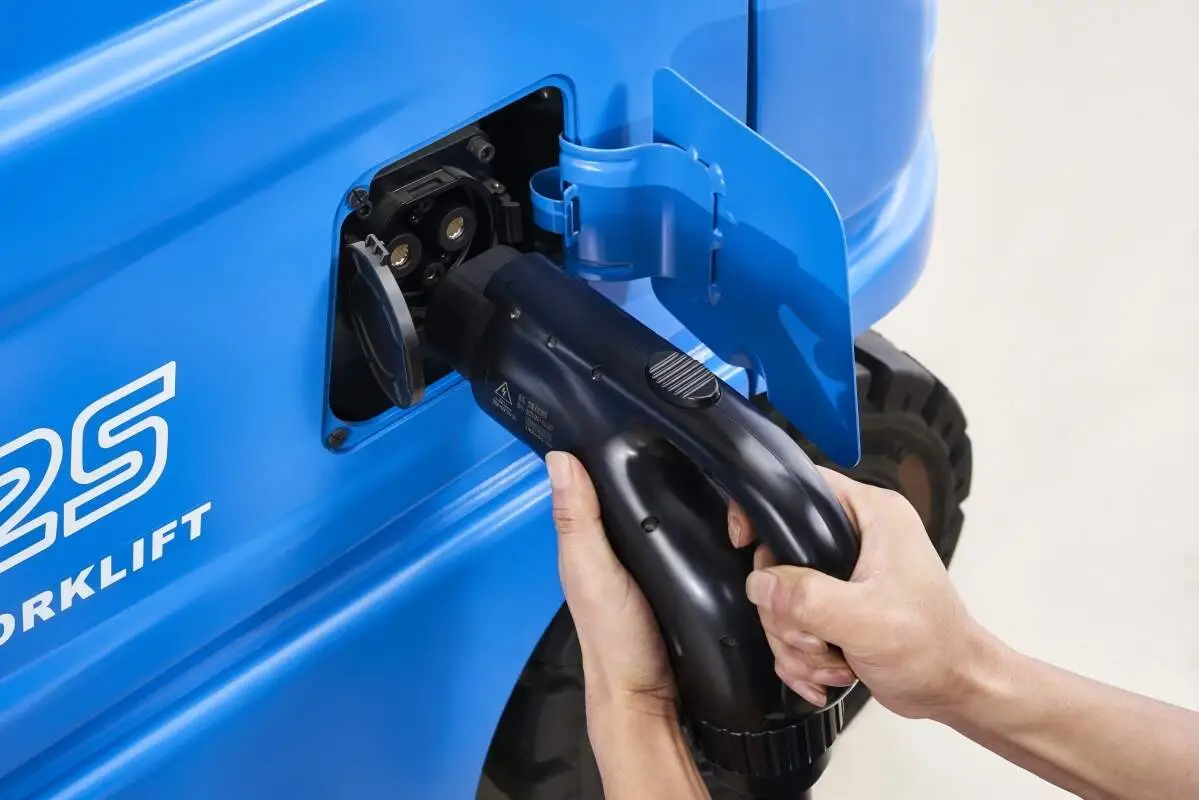
In today’s fast-paced logistics landscape, optimizing warehouse workflow is critical to meeting tight delivery deadlines, reducing operational costs, and enhancing overall productivity. Rational electric forklift deployment emerges as a key strategy to achieve these goals, as electric forklifts offer advantages like lower emissions, quieter operation, and precise maneuverability compared to traditional fuel-powered alternatives.
1. Assess Warehouse Layout and Task Requirements
Before deploying electric forklifts, a thorough assessment of your warehouse layout and daily tasks is essential. Analyze the size of storage aisles, the weight and volume of goods being handled, and the frequency of material movement between different zones such as receiving, storage, picking, and shipping. For example, narrow-aisle warehouses require forklifts with compact designs to navigate tight spaces efficiently, while high-volume shipping areas may benefit from models with higher load capacities. This assessment ensures that each deployed forklift aligns with the specific demands of its operational zone.
2. Match Electric Forklift Types to Specific Tasks
Not all electric forklifts are created equal, and matching the right type to each task is crucial for workflow optimization. Counterbalance electric forklifts are ideal for general-purpose loading and unloading, while reach trucks excel at accessing high storage racks. Order pickers, on the other hand, are designed to streamline the picking process by allowing operators to access goods at various heights without needing to move entire pallets. By assigning the appropriate forklift type to each task, you minimize unnecessary movements and reduce the time spent on each operation.
3. Implement Strategic Placement and Scheduling
Strategic placement of electric forklifts across warehouse zones ensures that equipment is readily available when needed, eliminating delays caused by traveling long distances. For instance, positioning a few electric forklifts near the receiving dock can speed up the unloading process, while placing order pickers directly in the picking zone reduces wait times for staff. Additionally, implementing a scheduling system based on peak operational hours can help allocate forklifts to high-demand areas during busy periods, ensuring optimal resource utilization.
4. Prioritize Operator Training and Maintenance
Even the most well-deployed electric forklifts will underperform without properly trained operators. Comprehensive training programs should cover not only basic operation but also safety protocols, efficient maneuvering techniques, and routine maintenance checks. Regular maintenance is equally important to keep electric forklifts in optimal condition—this includes battery inspections, tire checks, and system updates to ensure consistent performance. Well-maintained forklifts experience fewer breakdowns, reducing downtime and keeping workflow running smoothly.
5. Leverage Data for Continuous Improvement
To sustain workflow optimization, leverage data from forklift operations to identify areas for improvement. Track metrics like task completion time, forklift utilization rates, and energy consumption patterns. This data can reveal bottlenecks in the workflow, such as underutilized equipment in certain zones or frequent delays in specific tasks. Using these insights, you can adjust deployment strategies, reallocate resources, or invest in additional equipment where necessary.
For businesses looking to implement rational electric forklift deployment, partnering with a reliable supplier is key. Jian Shu New Energy specializes in BYD electric forklifts, offering a range of models tailored to different warehouse needs. Whether you require compact narrow-aisle forklifts or high-capacity counterbalance models, we can provide expert guidance to help you optimize your warehouse workflow. For more information, reach out to us at 17399989919@163.com.