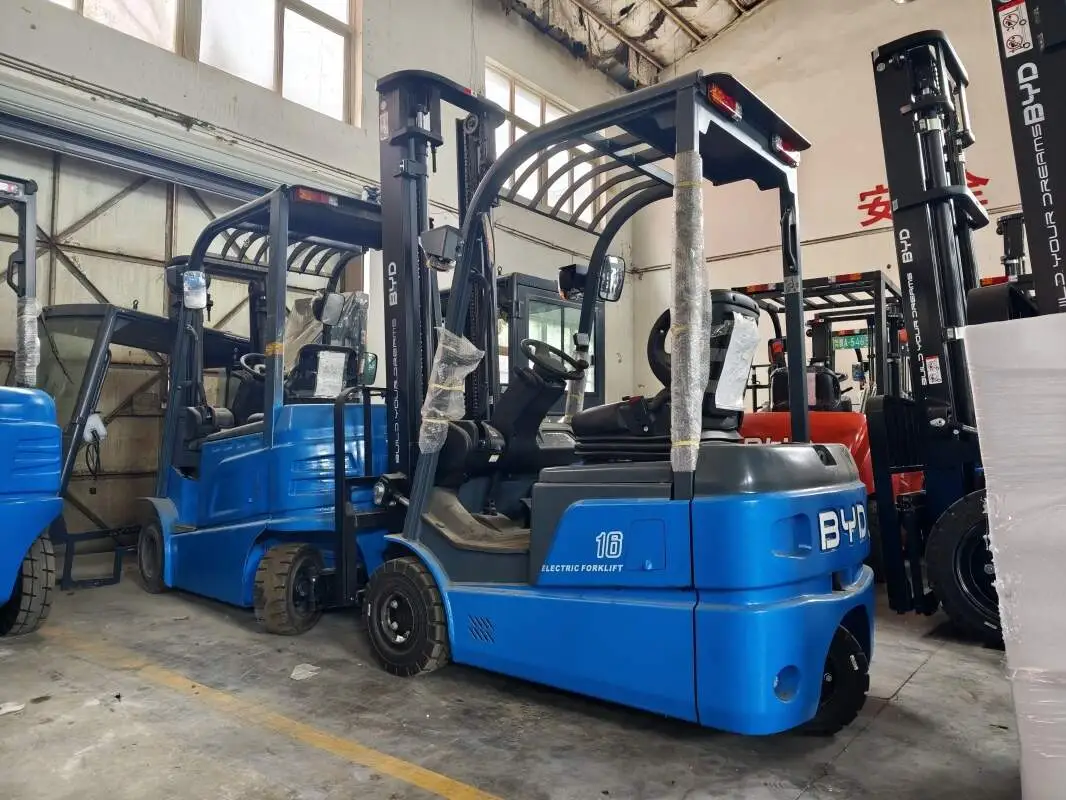
Denver’s warehouse landscape encompasses a diverse range of facilities, from compact urban storage hubs serving local businesses to sprawling suburban logistics centers supporting regional distribution. Choosing the right electric forklift equipment is critical to streamlining operations, enhancing safety, and controlling costs in these varied settings. Unlike traditional internal combustion forklifts, electric models offer quieter operation, zero emissions, and lower long-term maintenance, making them ideal for Denver’s focus on sustainable industrial practices. To make an informed decision, warehouse managers must evaluate several key factors tailored to their specific operational needs and the unique conditions of the Denver area.
The first step in selecting a suitable electric forklift is assessing your warehouse’s physical layout. Many Denver urban warehouses are housed in older buildings with narrow aisles and limited turning space, which demands forklifts with a tight turning radius and compact dimensions. For these facilities, narrow-aisle electric forklifts or reach trucks are optimal, as they can navigate tight spaces while still accessing high storage racks. Conversely, large suburban warehouses with wide aisles and high ceiling heights may benefit from standard counterbalance electric forklifts, which offer greater load stability and higher lifting capacities. It’s also important to measure doorways, loading docks, and elevator heights to ensure the forklift can maneuver through all critical areas without restrictions.
Understanding your warehouse’s typical load profile is essential. Denver warehouses handle a wide array of cargo, from lightweight retail packages to heavy industrial components. Start by determining the maximum weight of the loads you’ll be lifting regularly, as this will dictate the forklift’s rated load capacity. Additionally, consider load dimensions—tall or bulky items may require a forklift with an extended mast or specialized attachment capabilities. Keep in mind Denver’s high elevation, which can impact electric forklift battery performance; higher altitudes may reduce battery efficiency, so selecting a battery with sufficient capacity or a model designed for high-altitude use is advisable to maintain consistent operational uptime.
Denver’s semi-arid climate brings cold winters and warm, dry summers, both of which can affect electric forklift performance. In winter, low temperatures can reduce battery output and increase charging time. To mitigate this, look for electric forklifts with battery insulation or temperature management systems that maintain optimal battery performance in cold environments. For warehouses with semi-outdoor loading areas, choose models with higher IP (Ingress Protection) ratings to protect internal components from dust and occasional moisture, which are common in Denver’s dry, windy conditions.
Operational efficiency is key to meeting tight delivery schedules in Denver’s competitive logistics market. Consider your daily operating hours—if your warehouse runs multiple shifts, opt for electric forklifts with fast-charging capabilities or swappable batteries to minimize downtime. Additionally, evaluate long-term maintenance requirements. Electric forklifts have fewer moving parts than combustion models, but regular battery inspections and maintenance are still necessary. Ensure that local service providers in Denver offer timely support for battery repairs and forklift servicing to avoid prolonged operational disruptions.
Finally, ensure the electric forklift you select meets all relevant safety and regulatory standards, including those set by OSHA (Occupational Safety and Health Administration) and any local Denver industrial safety guidelines. Look for features like anti-tip stability systems, audible warning alarms, and ergonomic operator cabins to enhance workplace safety. Proper operator training is also mandatory, so partner with local training providers in Denver to ensure your staff is fully certified to operate the equipment safely.
Selecting the right electric forklift for Denver warehouse operations requires a holistic approach that balances space constraints, load needs, climate adaptation, efficiency, and safety. By carefully evaluating each of these factors, warehouse managers can choose equipment that not only meets their immediate operational requirements but also supports long-term sustainability and cost-effectiveness. Investing in the right electric forklift will help streamline daily tasks, reduce operational risks, and position your Denver warehouse for success in a dynamic logistics landscape.