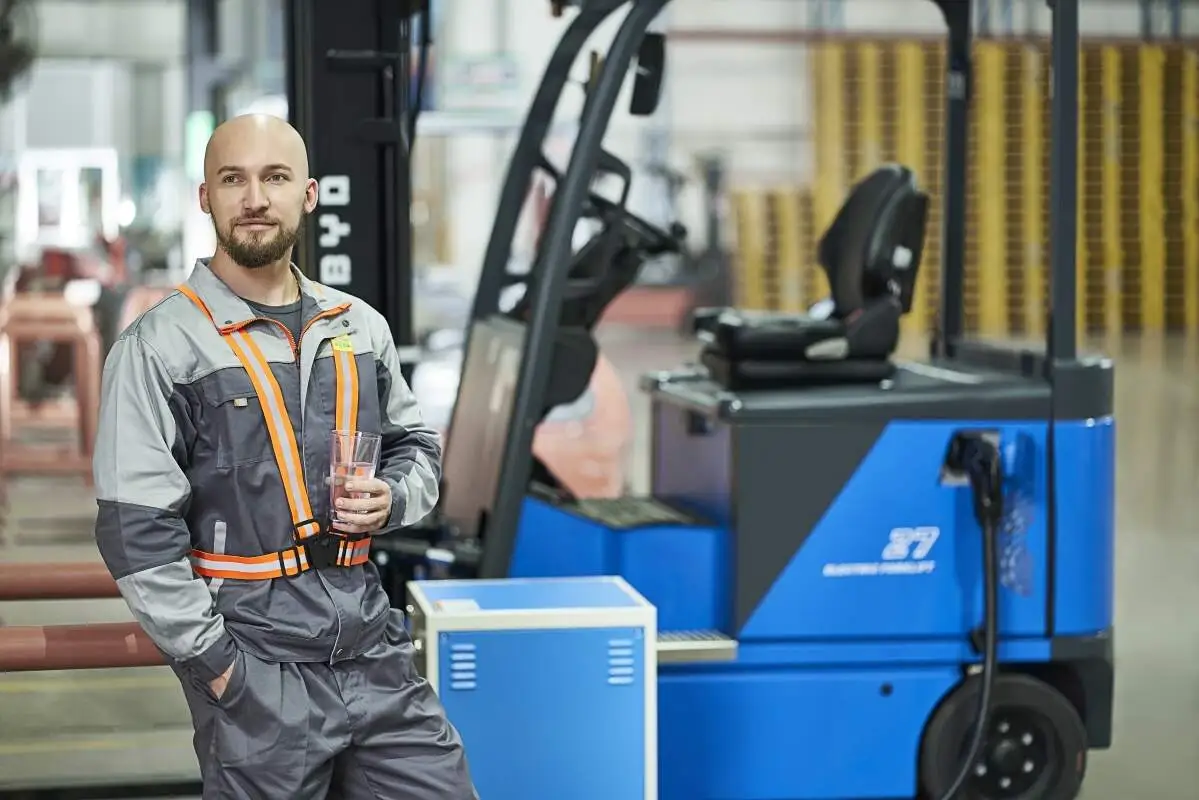
In global logistics, accurate classification of forklift accessories using Harmonized System (HS) codes is critical for smooth customs clearance, avoiding delays and potential fines. These standardized codes help customs authorities worldwide identify goods, apply correct tariffs, and enforce trade regulations. Below is a practical reference for HS codes of widely used forklift accessories.
Forks, the primary load-bearing component of forklifts, typically fall under HS code 84312000. This code applies to parts and accessories of lifting, handling, or loading machinery, specifically designed for attachment to forklifts. It is important to note that specialized forks with unique materials or functionalities may require further classification checks.
Batteries, essential for electric forklift operations, are classified based on their type. Lead-acid forklift batteries usually fall under HS code 85071000, while lithium-ion forklift batteries are categorized under 85076000. Always verify the battery’s chemical composition and capacity to ensure accurate coding, as regional regulations may introduce minor variations.
Forklift tires, whether solid rubber or pneumatic, are grouped under HS code 40112000 for solid tires and 40111000 for pneumatic tires. These codes cover tires designed for industrial vehicles like forklifts, with sub-classifications based on tire construction and intended use.
Hydraulic components, including cylinders, valves, and hoses that support forklift lifting functions, are generally classified under HS code 84812000 for hydraulic valves and 84122900 for hydraulic cylinders. These codes encompass parts used in hydraulic systems of industrial machinery, aligning with forklift operational needs.
It is crucial to remember that HS code classifications can vary by country due to local trade policies and product-specific details. Always cross-reference with the latest customs guidelines of the importing or exporting country, and consult with a customs specialist or logistics expert if unsure about a specific accessory’s classification. This proactive approach ensures compliance and minimizes logistics disruptions in global supply chains.