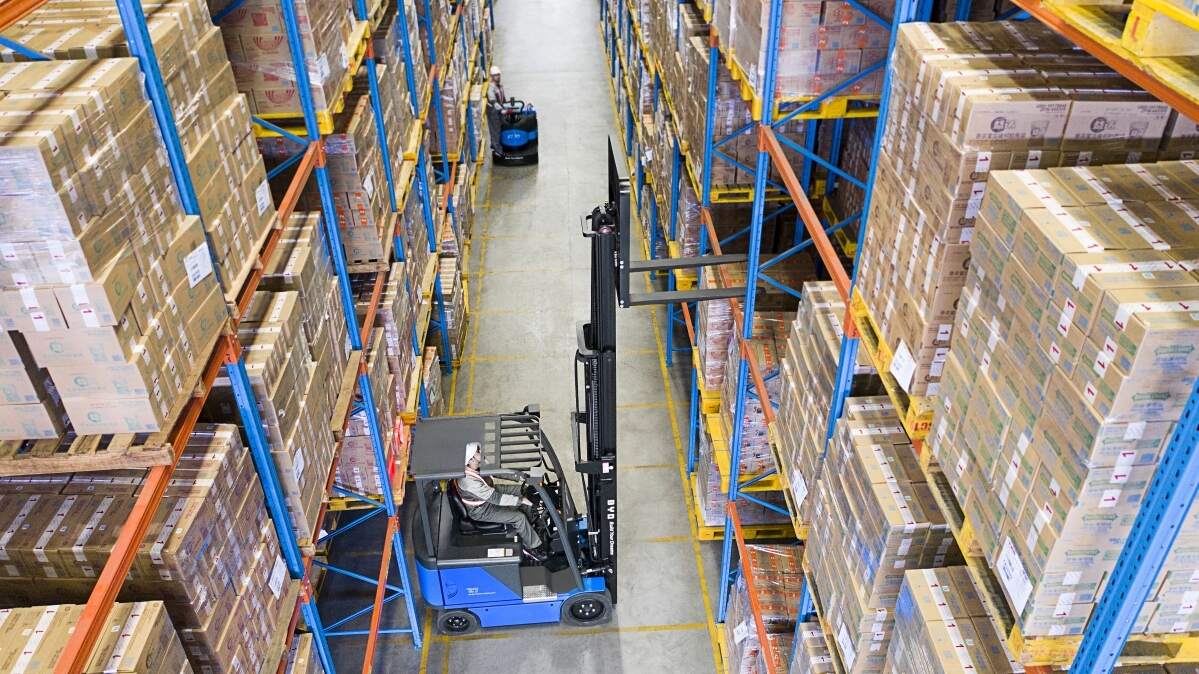
In industrial warehouses and distribution centers, forklifts are indispensable tools for material handling, and their safety components play a critical role in protecting both operators and inventory. Among these components, the backrest stands as a key barrier against falling loads, making compliance with backrest height regulations a non-negotiable aspect of safe forklift operation. Many organizations overlook the importance of proper backrest height, often leading to avoidable safety incidents and regulatory penalties.
Regulatory bodies across regions have established specific standards for forklift backrest height, designed to address the unique risks associated with different load types and forklift configurations. These standards typically require backrests to extend high enough to contain the tallest load the forklift is rated to carry, preventing items from sliding backward into the operator compartment during transport or lifting. It is essential for industrial facilities to familiarize themselves with local and national regulations, as requirements may vary based on factors such as forklift capacity, load density, and operating environment. Failing to align with these standards can result in fines, operational disruptions, and increased liability in the event of an accident.
The safety implications of non-compliant backrest height are significant. A backrest that is too short may not provide sufficient support for tall or unstable loads, leading to items tipping over or sliding off the forks. This not only poses a direct threat to the forklift operator’s safety but also risks damaging valuable inventory, causing downtime, and creating hazards for other workers in the vicinity. Conversely, an excessively tall backrest may impede the operator’s visibility, especially when maneuvering in tight spaces, increasing the likelihood of collisions with racks, equipment, or personnel. Balancing height requirements with operational visibility is a key consideration for maintaining both compliance and safety.
To ensure ongoing compliance with forklift backrest height standards, industrial facilities should implement a structured set of best practices. Regular inspections of forklift backrests should be conducted as part of routine maintenance, checking for signs of damage, wear, or misalignment that could affect their performance. Operators should be trained to assess load dimensions before lifting and adjust backrest height accordingly, ensuring it matches the specific requirements of each task. Additionally, facilities should maintain detailed records of inspections, adjustments, and training sessions, providing evidence of compliance in the event of a regulatory audit.
In conclusion, adherence to forklift backrest height regulations is a fundamental element of industrial workplace safety and operational compliance. By understanding regulatory requirements, recognizing the safety risks of non-compliance, and implementing proactive maintenance and training practices, organizations can create a safer working environment, protect their assets, and avoid the costly consequences of regulatory violations. Regular reviews of compliance protocols and ongoing operator education are essential to sustaining these standards over time, ensuring that forklift operations remain both efficient and safe.