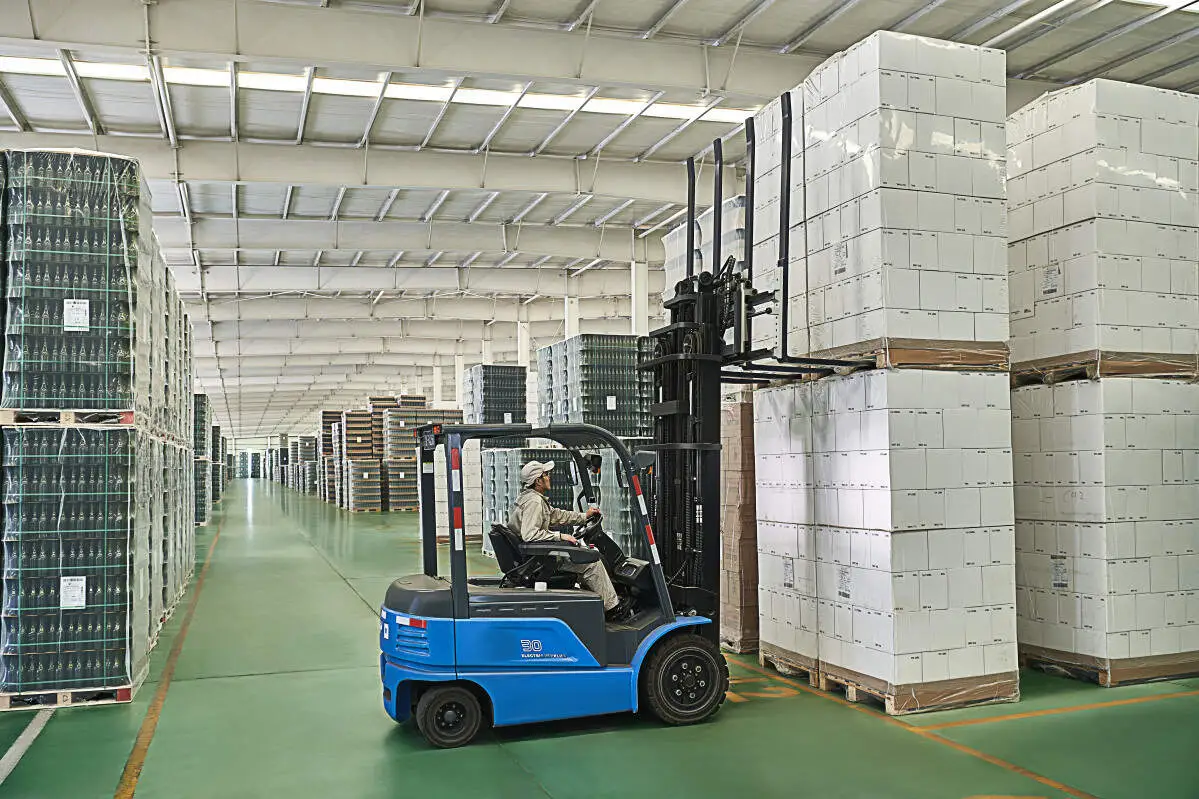
Solid forklift tires play a critical role in supporting heavy industrial operations, where reliability and durability are non-negotiable. Choosing the right solid tire requires a systematic approach that aligns with operational demands to minimize downtime and maximize productivity.
Start by evaluating your forklift’s load requirements. Heavy industrial settings often involve lifting and transporting bulky, high-weight materials on a daily basis. It’s essential to select solid tires that match or exceed the forklift’s rated load capacity. Overloading tires can accelerate wear and increase the risk of structural failure, so consider not just the nominal load but also peak operational weights, such as when handling oversized or unevenly distributed cargo.
Next, analyze the operating environment. Different industrial sites present unique challenges: rough outdoor terrain with gravel or debris demands tires with deep, robust tread patterns for enhanced traction and resistance to punctures. Indoor facilities with smooth concrete floors may benefit from tires with finer treads to reduce noise and improve maneuverability. Additionally, environments with exposure to oil, chemicals, or extreme temperatures call for tires made from specialized rubber compounds that can withstand these corrosive or harsh conditions without degrading prematurely.
Consider the tire’s material composition. Natural rubber tires offer excellent shock absorption and grip, making them suitable for applications where ride comfort and traction are priorities. Synthetic rubber compounds, on the other hand, tend to have higher resistance to abrasion and chemical damage, making them ideal for heavy-duty, high-cycle operations. Some tires also incorporate reinforcing layers, such as steel cords or fabric plies, to boost structural integrity and extend service life.
Maintenance requirements should also factor into your selection. While solid tires eliminate the risk of flat tires common with pneumatic options, they still require regular inspection. Look for tires that are easy to inspect for signs of wear, such as uneven tread loss or sidewall cracking. Tires designed with wear indicators can simplify routine checks, helping you identify when replacements are needed before they compromise safety or performance.
Finally, balance upfront cost with long-term value. Investing in higher-quality solid tires may have a higher initial price tag, but they often deliver longer service life and reduced maintenance costs over time. Avoid choosing the cheapest option solely based on price, as inferior tires may wear out quickly, leading to more frequent replacements and unplanned downtime that disrupts industrial workflows.
By carefully assessing load needs, operating conditions, material quality, maintenance demands, and cost-effectiveness, you can select solid forklift tires that meet the rigorous demands of heavy industrial applications, supporting smooth operations and extending your equipment’s service life.