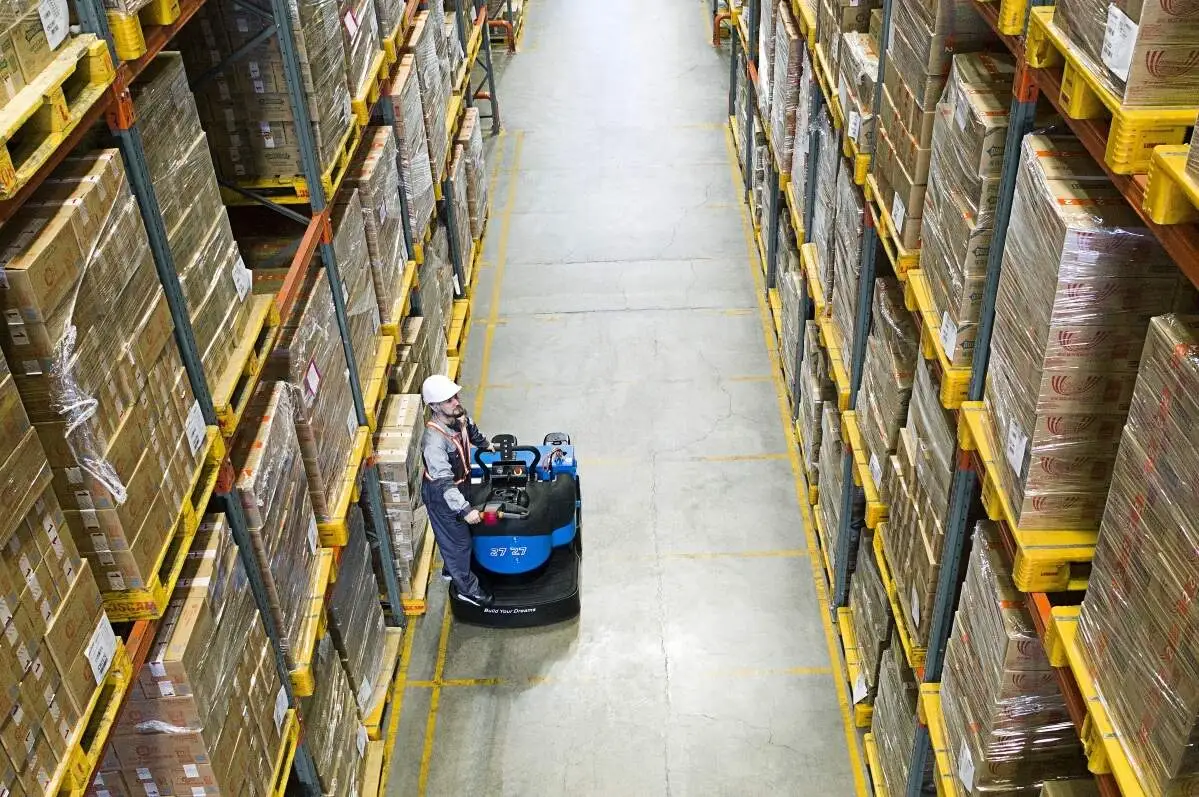
electric forklifts are workhorses in warehouses, distribution centers, and industrial settings, relying on integrated display panels to communicate critical equipment status. Understanding the symbols on these displays is essential for basic diagnostics, enabling operators to spot issues early, minimize downtime, and ensure safe, efficient operations.
The first category of symbols focuses on battery health, the lifeline of any electric forklift. A steadily glowing battery icon indicates normal charge levels, while a flashing or red-highlighted icon signals low battery power. If this symbol appears mid-operation, it’s a clear sign to prioritize recharging soon to avoid unexpected shutdowns. Some displays also include a temperature indicator adjacent to the battery symbol; a red warning here means the battery is overheating, requiring immediate shutdown to let it cool before further use—ignoring this can lead to permanent battery damage.
Next, temperature-related symbols extend to the forklift’s motor and hydraulic systems. A thermometer icon with a red outline typically alerts operators to excessive motor heat, often caused by prolonged heavy lifting or inadequate ventilation. Pausing operations and checking for blocked air vents can resolve this minor issue before it escalates. For hydraulic systems, a drop-shaped icon with a warning triangle may signal low hydraulic fluid levels. When this appears, operators should pause work, consult the forklift’s manual to locate the fluid reservoir, and top it up with the recommended fluid type to maintain smooth lifting and lowering functions.
General fault symbols are often represented by a yellow or red warning triangle, accompanied by a numeric code in some cases. A yellow triangle usually indicates a non-critical issue, such as a faulty sensor or minor electrical glitch. Operators can reference the vehicle’s manual to cross-check the code (if present) and address simple fixes like resetting the system. A red triangle, however, signifies a serious fault that requires immediate shutdown—this could relate to brake system issues or malfunctioning safety components, and professional technical support should be contacted promptly.
Safety-focused symbols also play a key role in diagnostics. A seatbelt icon that remains illuminated even when the belt is fastened points to a faulty seatbelt sensor, which needs inspection to ensure compliance with safety regulations. Similarly, a speed-limit icon that activates unexpectedly may indicate a problem with the forklift’s speed control system, requiring adjustment to maintain operational efficiency while adhering to site safety rules.
By incorporating regular display checks into daily pre-operation routines, operators can leverage these symbols to perform basic diagnostics effectively. When a symbol appears, note the context (e.g., during lifting, while traveling) and refer to the manual for initial guidance. Addressing minor issues promptly not only prevents costly repairs but also extends the forklift’s overall lifespan, ensuring it remains a reliable asset for material handling tasks.