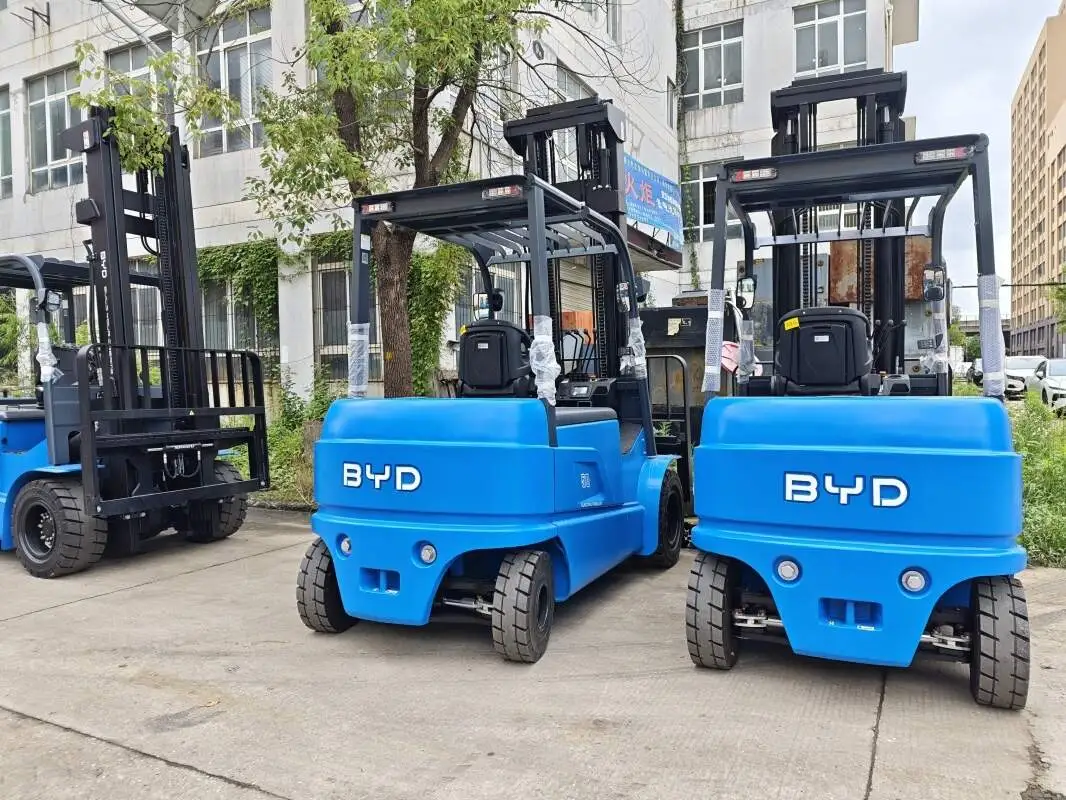
In industrial premises, electric forklifts play a critical role in material handling, but their operation demands strict adherence to Health, Safety, and Environment (HSE) standards to mitigate risks. Ensuring compliance not only protects workers and assets but also supports regulatory adherence and sustainable operational practices.
The foundation of HSE-compliant electric forklift operations lies in properly trained and competent operators. All personnel operating electric forklifts must complete accredited training programs that cover vehicle controls, load handling techniques, hazard identification, and emergency response. Refresher training should be conducted regularly, especially after changes in workplace layout or equipment models, to maintain proficiency. Operators must also hold valid certification to demonstrate their ability to operate electric forklifts safely.
Before each shift, operators are required to conduct a comprehensive pre-operation inspection of the electric forklift. This includes checking battery levels, brake functionality, steering systems, lights, and load handling attachments. Any defects or abnormalities must be reported immediately, and the forklift should be taken out of service until repairs are completed. Documenting these inspections is essential for maintaining HSE compliance and tracking equipment health over time.
During operation, operators must follow strict safety protocols. This includes adhering to speed limits within the premises, maintaining a safe distance from pedestrians and other vehicles, and avoiding sudden turns or stops. Loads must be properly balanced and secured to prevent tipping, and operators should never exceed the forklift’s rated load capacity. Additionally, electric forklifts should only be operated in designated areas, with clear signage marking pedestrian zones, load storage areas, and no-go zones to minimize collision risks.
Regular maintenance is key to ensuring electric forklifts remain safe and compliant. Scheduled servicing by qualified technicians should include battery maintenance, brake checks, and electrical system inspections. When not in use, electric forklifts should be stored in designated, well-ventilated areas away from flammable materials. Battery charging stations must be equipped with proper ventilation and fire safety measures to prevent overheating or electrical hazards.
Industrial premises must have clear emergency procedures in place for electric forklift-related incidents. This includes access to first aid kits, fire extinguishers suitable for electrical fires, and designated assembly points. Operators should be trained to respond to incidents such as battery leaks, forklift tipping, or collisions, including how to safely evacuate the area and alert emergency services.
For businesses seeking reliable electric forklifts that align with HSE standards, Jianshu New Energy, a specialist in BYD electric forklifts, offers tailored solutions to support compliant operations. Our expertise in electric forklift technology ensures that your equipment meets all necessary HSE requirements, helping you create a safer workplace environment. For more information on our products and services, feel free to reach out via email at 17399989919@163.com.