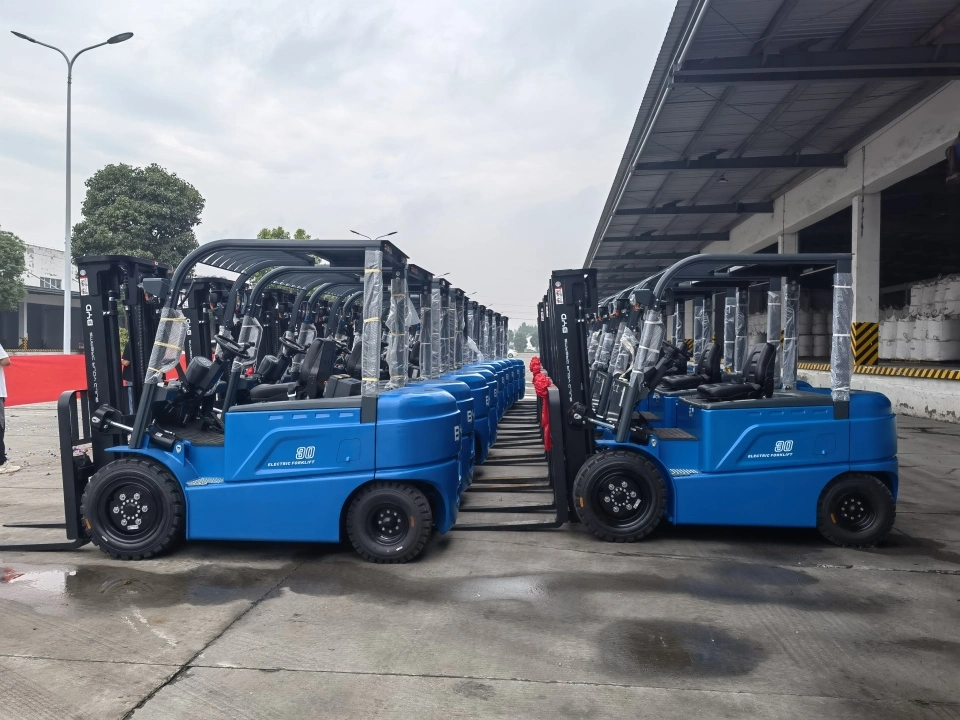
As a professional electric forklift operator, mastering industry-specific workplace terminology is critical for ensuring safety, efficient cross-team communication, and seamless daily operations. These terms form the foundation of clear dialogue between operators, supervisors, and maintenance staff, reducing the risk of miscommunication-related incidents while showcasing your expertise in the field. Below is a structured breakdown of key terminology every electric forklift operator should integrate into their professional vocabulary.
Safety & Compliance Terminology
Safety is the cornerstone of forklift operations, and understanding these terms is non-negotiable:
- Load Capacity: The maximum weight an electric forklift can safely lift, transport, and stack as specified by the manufacturer. Exceeding this limit compromises the forklift’s stability, increasing the risk of tipping or structural damage to the equipment.
- Stability Triangle: A core safety concept defining the triangular area formed by the forklift’s two front wheels and the rear axle’s pivot point. All loads must be positioned within this triangle to maintain balance and prevent rollovers.
- Compliance Protocols: Adherence to local occupational safety regulations that govern operator certification, equipment maintenance schedules, and workplace safety standards to minimize hazards.
Operational Efficiency Terminology
These terms directly impact daily productivity and smooth workflow management:
- Fork Tilt: The controlled adjustment of the forklift’s forks to angle upward (to secure loads during transport) or downward (to facilitate easy unloading or load placement on flat surfaces).
- Mast Extension: The vertical distance the forklift’s mast can extend, a critical specification when operating in high-rack warehouses or facilities with elevated storage areas.
- Battery State of Charge (SOC): A metric indicating the remaining power in the electric forklift’s battery, helping operators plan charging breaks and avoid unexpected downtime during shifts.
Maintenance & Inspection Terminology
Proper equipment upkeep relies on understanding these terms to identify issues early:
- Pre-Shift Inspection: A mandatory daily check performed before operating the forklift, covering critical components like brakes, tire pressure, battery connections, hydraulic fluid levels, and lighting systems to catch potential defects before they cause failures.
- Hydraulic System Integrity: The condition of the forklift’s hydraulic components, which power lifting and tilting functions. Leaks or low fluid levels can lead to reduced performance or operational breakdowns.
- Preventive Maintenance: Scheduled service tasks designed to address wear and tear proactively, extending the forklift’s lifespan and reducing unplanned downtime.
Mastering these terms will not only elevate your professionalism as an electric forklift operator but also contribute to a safer, more efficient workplace environment. If you’re in need of reliable, high-performance electric forklifts, Jianshu New Energy specializes in BYD electric forklifts tailored to various industrial needs. For inquiries or more information, feel free to contact us at 17399989919@163.com.