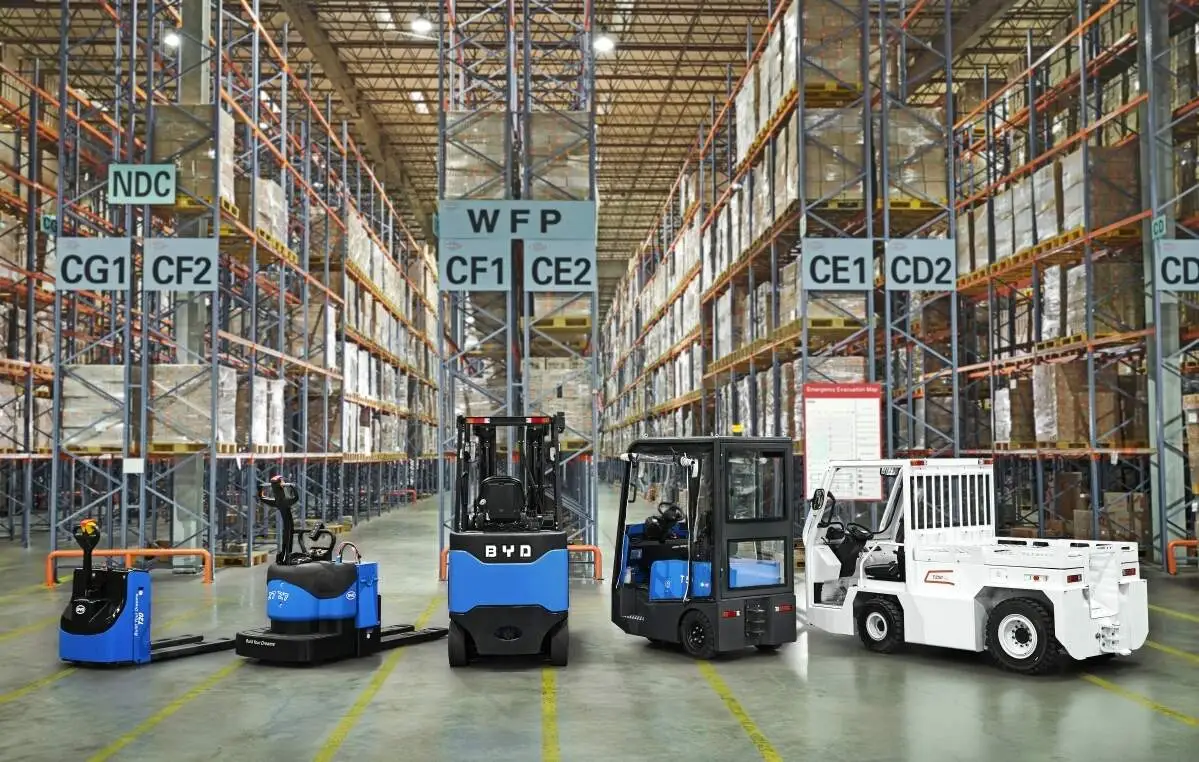
Running a multi-unit electric forklift fleet presents distinct challenges, from sustaining consistent equipment uptime to managing operational costs and ensuring workplace safety. For businesses dependent on these vehicles to keep warehouse or logistics operations running smoothly, adopting universal best practices is crucial to unlocking reliable performance and long-term fleet value.
1. Proactive Predictive Maintenance
One of the foundational keys to effective fleet management is prioritizing proactive predictive maintenance. Unlike reactive repairs that lead to unexpected downtime and costly emergency fixes, predictive strategies leverage real-time data to identify potential issues before they escalate. This includes monitoring battery health metrics, tracking wear on critical components like tires and hydraulic systems, and scheduling regular, targeted inspections. By staying ahead of maintenance needs, businesses can minimize unplanned halts in operations and extend the lifespan of each electric forklift, maximizing their return on investment.
2. Centralized Fleet Monitoring Systems
Implementing a centralized monitoring system is essential for overseeing a multi-unit fleet efficiently. These systems provide real-time visibility into each forklift’s location, operational status, energy consumption rates, and usage patterns. Fleet managers can use this data to optimize task allocation, adjust routes to reduce unnecessary travel, and identify underutilized vehicles that can be reallocated to high-demand areas. Such data-driven insights not only boost operational efficiency but also help in reducing unnecessary energy and resource waste, cutting down overall fleet running costs.
3. Optimized Battery Management
Batteries are the core of electric forklifts, so optimizing their management is non-negotiable for fleet success. This involves establishing structured charging schedules to avoid overcharging or deep discharging, both of which can shorten battery life significantly. Additionally, implementing a standardized battery rotation system ensures that each battery is used evenly, preventing premature wear from over-reliance on a single unit. Proper storage with controlled temperature and humidity levels also plays a crucial role in maintaining battery performance and longevity, reducing the frequency of battery replacements.
4. Comprehensive Operator Training & Safety Protocols
Well-trained operators contribute significantly to both fleet efficiency and workplace safety. Providing regular, updated training sessions on electric forklift operation, proper battery handling, and emergency response procedures reduces the risk of accidents and equipment damage. Establishing clear safety protocols, such as mandatory pre-shift inspection checklists, ensures that operators adhere to best practices before each use, further protecting both personnel and valuable fleet assets.
For businesses looking to enhance their multi-unit electric forklift fleet management, partnering with a specialized provider can make all the difference. Jianshu New Energy, a dedicated supplier of BYD electric forklifts, offers expert support and guidance to help businesses implement these universal keys effectively. Whether you need assistance with designing maintenance strategies, setting up centralized monitoring systems, or organizing operator training programs, our team is ready to help you optimize your fleet operations. Reach out to us at 17399989919@163.com to learn more about how we can support your fleet management needs.