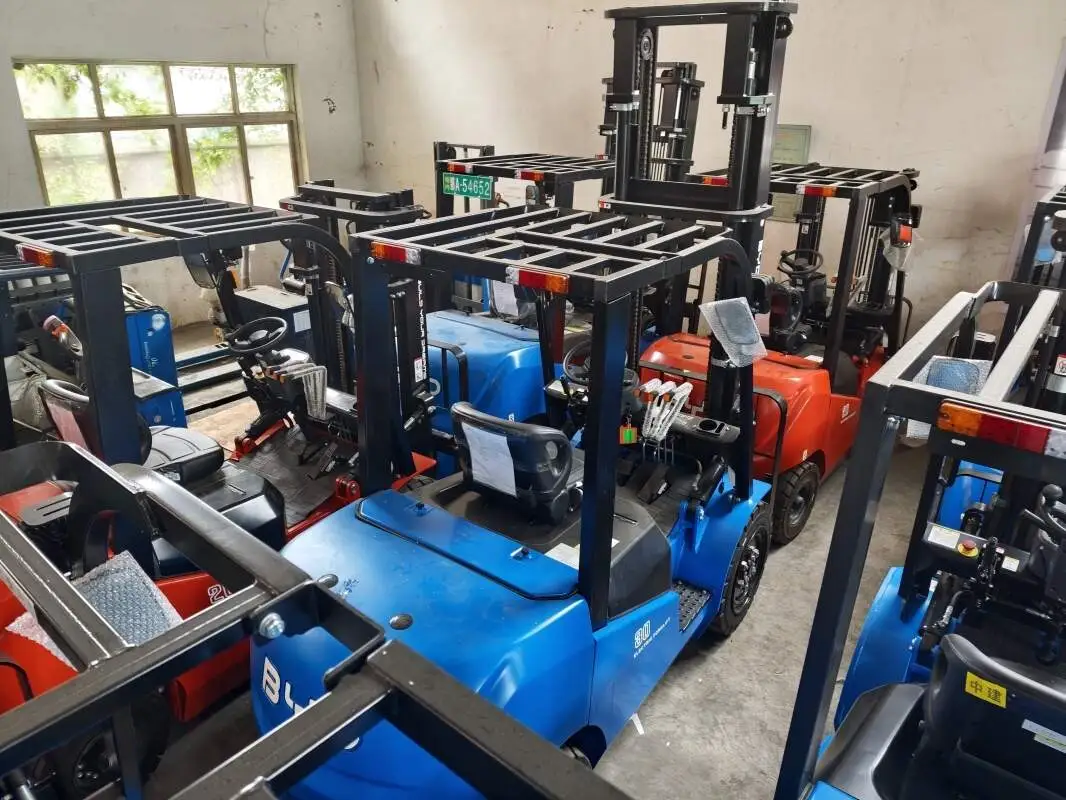
Many industrial operations rely on electric forklift fleets to handle a wide range of material handling tasks. As business needs evolve, retrofitting existing forklifts with specialized attachments often emerges as a cost-effective way to expand functionality without investing in new equipment. However, this process requires careful planning to ensure safety, performance and long-term reliability.
First and foremost, a comprehensive compatibility assessment is critical. Every electric forklift has unique hydraulic, electrical and structural specifications that must align with the intended attachment. For example, attachments that require hydraulic power may need specific flow rates and pressure levels that your forklift’s system can support. Mismatched electrical interfaces can lead to control malfunctions, while incompatible mounting points may compromise structural integrity. Conducting a detailed review of both the forklift’s technical documentation and the attachment’s requirements is essential before proceeding.
Next, verifying load capacity changes is non-negotiable. Adding an attachment alters the forklift’s center of gravity, which directly impacts its safe load-bearing capabilities. Even if the attachment itself is lightweight, it can shift the balance of lifted loads, increasing the risk of tip-overs. Working with a qualified professional to recalculate the forklift’s adjusted load rating ensures that all operations remain within safe limits, protecting both personnel and valuable assets.
Safety compliance should be a top priority throughout the retrofitting process. All modifications must adhere to local industrial safety regulations and standards. After installation, the modified forklift undergoes thorough safety inspections to confirm that all systems function correctly, including emergency stop mechanisms and attachment control features. Additionally, operators should receive specialized training to understand how to use the new attachment safely, recognizing potential hazards and responding appropriately in emergency situations.
It’s also important to consider the long-term maintenance impacts of retrofitting. Attachments introduce additional components that require regular inspection and servicing. You’ll need to account for the availability of replacement parts, as well as any extra maintenance procedures needed to keep both the forklift and attachment in optimal condition. Failing to plan for these needs can lead to unexpected downtime and increased operational costs over time.
For businesses looking to retrofit their electric forklift fleets, partnering with an experienced provider like Jianshu New Energy can streamline the process. Specializing in BYD electric forklifts, our team has the expertise to conduct thorough assessments, recommend suitable attachments and ensure professional installation. For more information or to schedule a consultation, reach out to us at 17399989919@163.com.