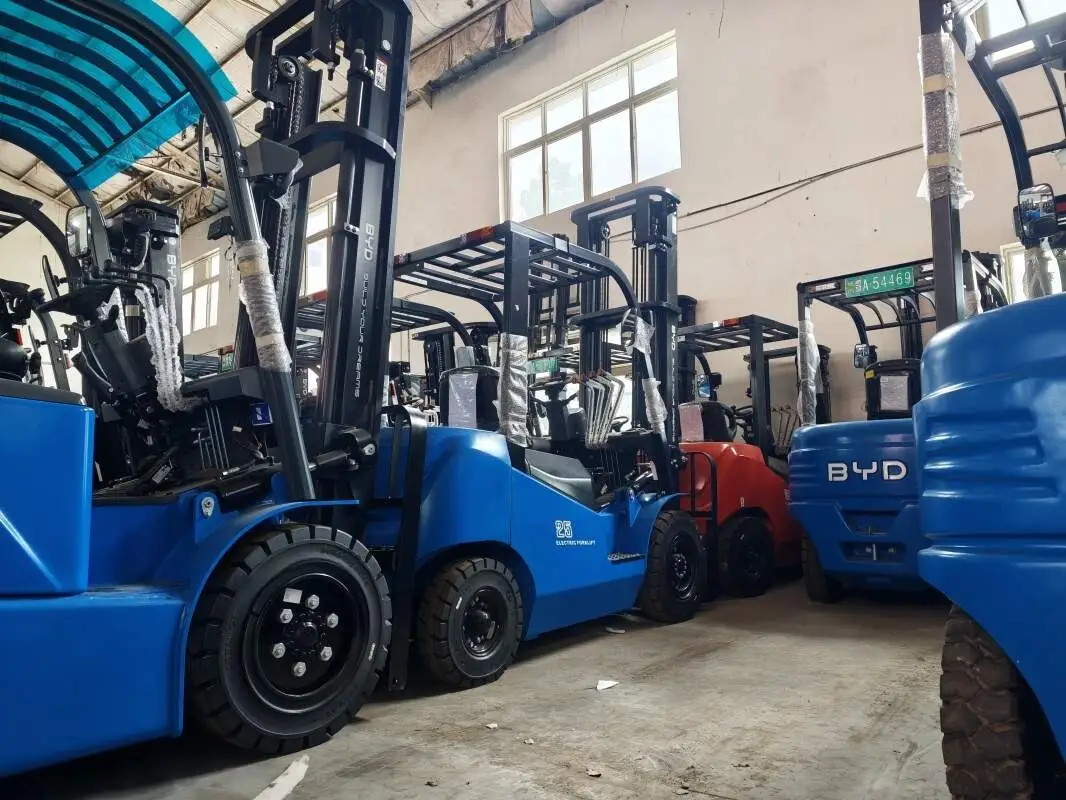
Working in confined indoor warehouse areas presents unique challenges for electric forklift operators, from limited maneuvering space to low visibility and frequent pedestrian interactions. Adhering to safety best practices is essential to prevent accidents, protect personnel and maintain efficient operations.
Before starting any shift, a thorough pre-operation inspection is non-negotiable. Begin by checking the electric forklift’s battery level to ensure sufficient power for the shift, avoiding unexpected shutdowns in narrow aisles. Inspect braking systems, steering mechanisms and tire condition to confirm they are in optimal working order. Verify that all lights, horns and warning signals are functional, as these are critical for alerting pedestrians and other operators in low-light or cluttered spaces. Any signs of damage or malfunction should be reported immediately, and the forklift taken out of service until repairs are completed.
Prior to operating the forklift, take time to plan your route through the confined warehouse. Identify narrow aisles, blind spots, and areas with high pedestrian traffic, and adjust your speed accordingly. Maintain a clear line of sight at all times; if visibility is obstructed by loads, reduce speed and use spotters to guide you around corners or through tight spaces. Pay close attention to floor markings, signs indicating weight limits or restricted areas, and overhead obstacles such as pipes or storage racks. Avoid sudden turns or lane changes that could lead to collisions with warehouse structures or other equipment.
In confined spaces, slow and controlled operation is key. Keep your speed at a safe level that allows you to stop quickly if needed, especially when navigating narrow aisles or approaching intersections. When turning, use the three-point turn method to ensure maximum maneuverability without hitting walls or racks. Ensure loads are properly balanced and secured to prevent tipping, and avoid carrying loads that exceed the forklift’s rated capacity. When lifting loads, stay clear of overhead obstacles and never raise them higher than necessary for safe transport.
Clear communication is vital in busy, confined warehouses. Use standard hand signals to communicate with pedestrians and other operators when visibility is poor or noise levels are high. For longer distances, two-way radios can help coordinate movements and alert others to your position. Always yield to pedestrians and give them ample space to move safely. If you need to back up, sound the warning horn and check all mirrors and blind spots before proceeding.
Be prepared for unexpected situations by familiarizing yourself with the warehouse’s emergency protocols. Know the location of emergency exits, fire extinguishers and first aid kits. Ensure you know how to use the forklift’s emergency stop button and how to safely evacuate the vehicle in case of a malfunction or accident. Regularly participate in emergency drills to practice responding to scenarios such as fires, forklift breakdowns or pedestrian accidents.
By following these best practices, electric forklift operators can significantly reduce the risk of accidents and create a safer working environment in confined indoor warehouses. At Jianshu New Energy, we specialize in BYD electric forklifts and provide professional guidance on safe operation tailored to the unique demands of confined warehouse spaces. For more expert advice and support, please contact us at 17399989919@163.com.