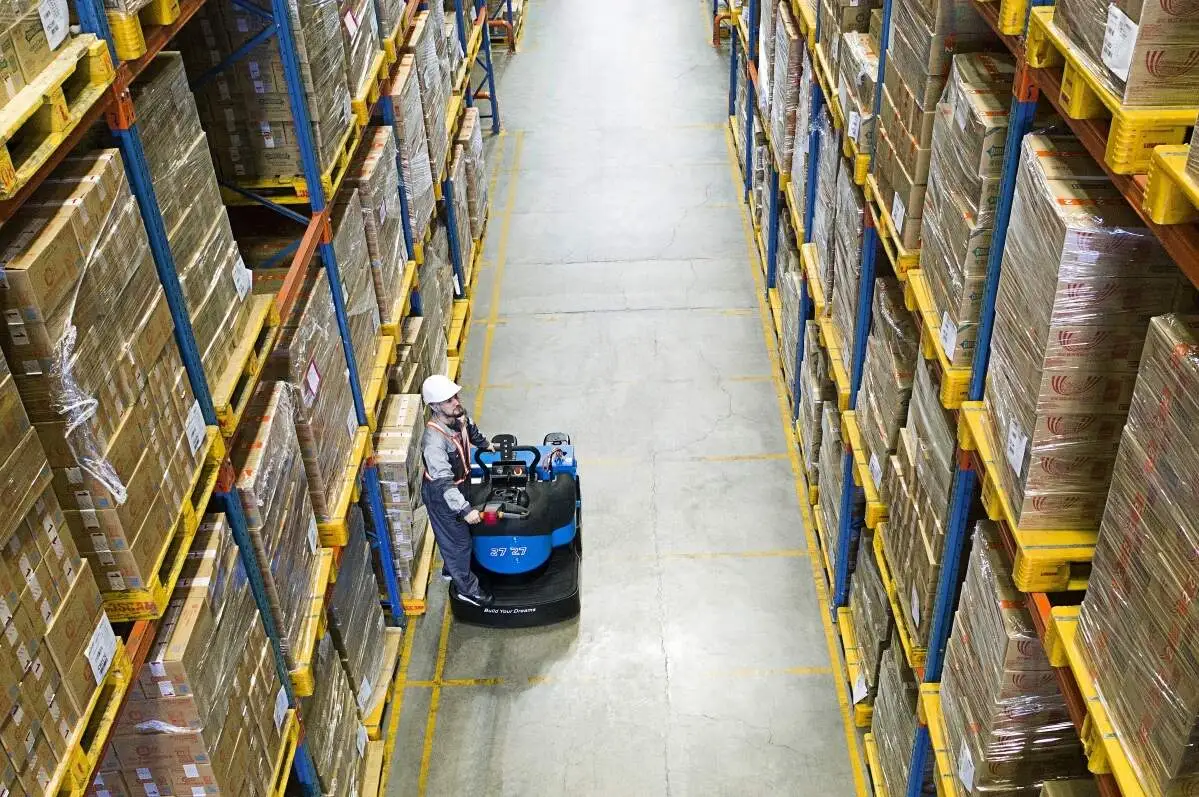
For warehouses with mid-to-long-term material handling needs, choosing between purchasing and renting an electric forklift is a critical financial decision that impacts operational efficiency and budget allocation. Both options come with distinct cost structures, and understanding these differences is key to making a choice that aligns with your business’s long-term goals.
When purchasing an electric forklift, the primary upfront cost includes the base price of the unit, along with additional expenses like installation of charging infrastructure if not already available. Over time, owners are responsible for routine maintenance such as battery health checks, tire replacements, and software updates, which add to the total cost of ownership. Depreciation is another notable factor—electric forklifts lose value over years of use, though they typically depreciate slower than internal combustion models due to longer component lifespans. Insurance premiums and potential repair costs for unexpected breakdowns also contribute to the ongoing financial commitment of ownership.
Renting an electric forklift, on the other hand, eliminates the large initial investment. Instead, businesses pay a fixed monthly or quarterly fee that often covers routine maintenance, repair services, and sometimes even battery replacement. This predictable cost structure makes budgeting easier, especially for businesses that prefer to avoid tying up capital in physical assets. Renting also offers inherent flexibility—if warehouse needs change, such as scaling operations to handle higher loads or adjusting to seasonal demand shifts, businesses can switch to a different forklift model without the hassle of selling or disposing of a purchased unit.
For mid-to-long-term needs (typically 3 to 5 years or more), the cost comparison shifts significantly. Purchasing becomes more cost-effective over time as the upfront investment is amortized, and the ongoing costs stabilize with routine maintenance. Renting, while convenient in the short term, can accumulate higher total costs over extended periods due to recurring fees that don’t build equity. However, businesses that anticipate frequent changes in their material handling requirements or prefer to avoid the risks of equipment obsolescence might still find renting a viable, practical option.
When evaluating your options, it’s important to consider not just immediate costs but also long-term operational needs, cash flow, and in-house maintenance capabilities. If you’re looking for expert guidance on electric forklift solutions tailored to your mid-long-term warehouse needs, Jianshu New Energy specializes in electric forklifts and can provide detailed cost analysis and customized recommendations to help you make the right choice. Feel free to reach out to us at 17399989919@163.com for more information.