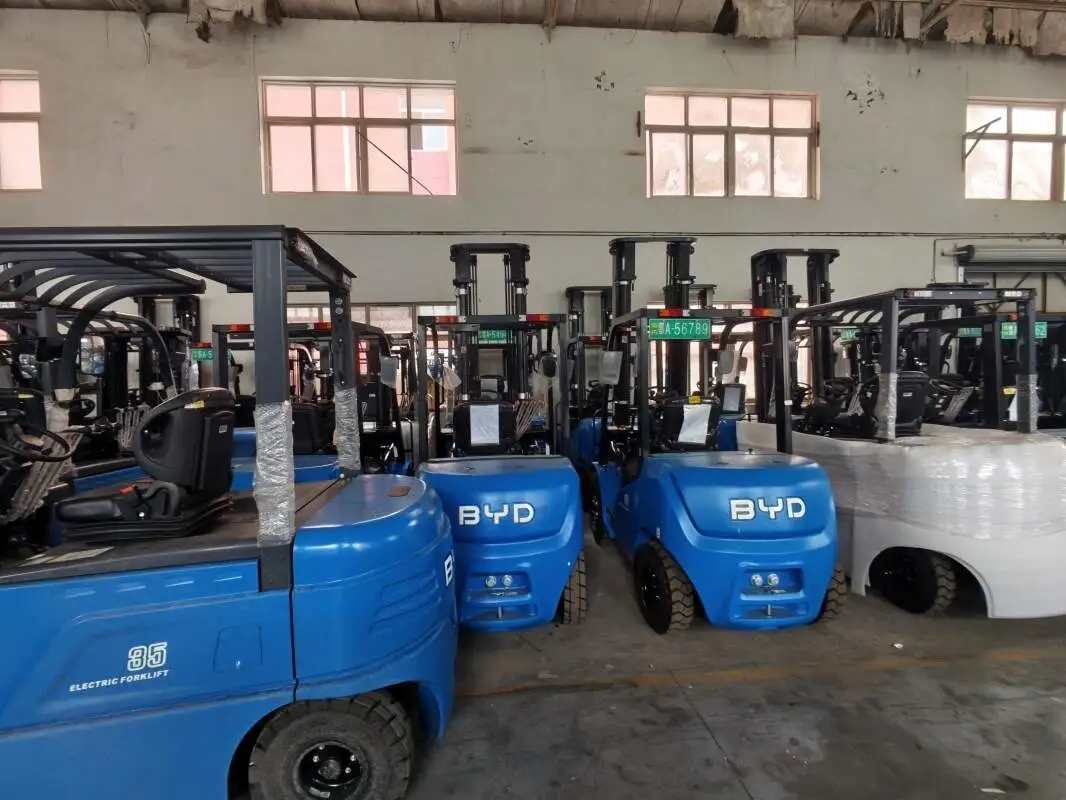
As electric forklifts become a staple in warehouses, distribution centers, and manufacturing facilities, prioritizing safety in their operating zones is non-negotiable. Guardrails serve as a vital physical barrier, separating forklift traffic from pedestrian areas, equipment, and hazardous zones to prevent collisions and accidents. Understanding and adhering to key guardrail requirements is essential for every facility that uses electric forklifts.
First, height and structural integrity are foundational guardrail requirements. To effectively block accidental entry and withstand potential impacts from forklifts, guardrails should have a minimum height of 42 inches (106.68 cm) above the floor. The structure must be built with durable materials capable of resisting the force of a moving electric forklift, ensuring it doesn’t collapse or shift upon contact. Proper anchoring to the floor is also crucial to maintain stability during normal operations.
Clear visibility is another critical requirement. Guardrails should be easily noticeable to both forklift operators and pedestrians. Using bright, high-visibility colors like yellow or orange helps draw attention to the barrier. Adding reflective strips along the height of the guardrail enhances visibility in low-light conditions, such as dimly lit warehouses or night-shift operations, reducing the risk of unintended collisions.
Access points within guardrail systems must be equipped with secure gate mechanisms. These gates should only open inward toward the pedestrian area or have self-closing features to prevent unauthorized access into the forklift operating zone. Gates must be kept closed when not in use, ensuring that the barrier remains intact and effective. This control helps manage traffic flow and limits access to trained personnel only.
Guardrails must be strategically placed around hazardous areas within the operating zone. This includes edges of loading docks, elevated platforms, steep ramps, and areas with heavy shelving where falling items or forklift tipping could pose risks. Extending guardrails to cover these high-risk zones creates a protective perimeter, guiding forklift operators away from potential dangers and keeping pedestrians safe.
Regular inspection and maintenance are essential to ensure guardrails remain functional. Facilities should conduct weekly checks for signs of damage, such as bent posts, cracked panels, or loose anchors. Any worn or damaged components should be repaired or replaced immediately. Scheduling monthly professional inspections can help identify hidden issues and ensure compliance with safety standards.
For facilities relying on electric forklifts, partnering with a knowledgeable provider can add an extra layer of safety support. Jianshu New Energy specializes in BYD electric forklifts, offering expert guidance on setting up compliant operating zones and selecting appropriate guardrail systems to meet your facility’s unique needs. For more information, reach out to us at 17399989919@163.com.