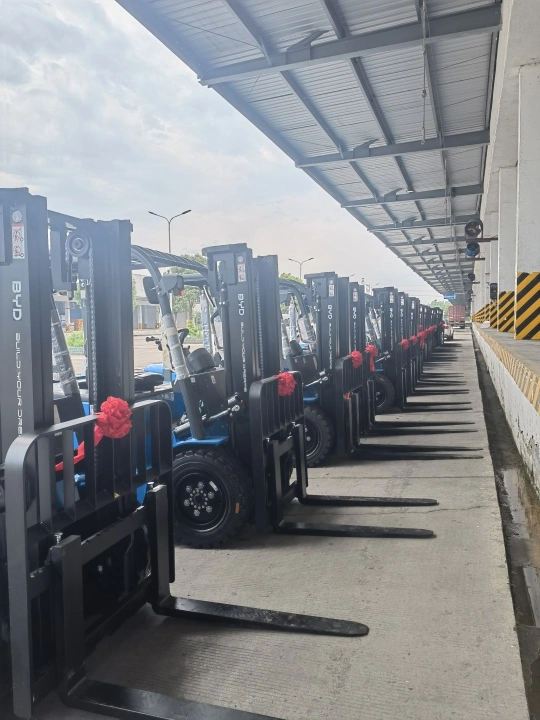
Proper handling of electric forklift battery plugs is critical to avoiding electrical hazards, extending battery lifespan, and ensuring overall operational safety. Whether connecting or disconnecting the battery plug, following standardized procedures is essential for both personnel safety and equipment integrity.
Before initiating any connection or disconnection steps, thorough pre-operation checks are mandatory. First, ensure the surrounding area is dry, well-ventilated, and free from flammable materials or liquids to prevent electrical short circuits or fire risks. Next, inspect the battery plug and socket carefully for signs of damage, such as cracks, corrosion, loose pins, or frayed cables. If any defects are found, cease operations immediately and address the issue before proceeding. Additionally, wear appropriate personal protective equipment (PPE) such as insulated gloves and safety goggles to minimize the risk of electric shock.
For the safe connection procedure, start by turning off all power switches on the electric forklift to eliminate electrical current flow. Align the battery plug with the socket correctly, ensuring that the pins match their corresponding slots to avoid forced insertion which can damage the components. Gently push the plug into the socket until you hear a distinct click, indicating that the locking mechanism has engaged securely. After connecting, turn on the forklift power switch and perform a quick test to confirm that the battery is functioning properly, such as checking the dashboard indicators and trying a short movement of the forklift.
When it comes to the safe disconnection procedure, always begin by shutting down the forklift and turning off all power sources. Locate the locking mechanism on the battery plug and disengage it according to the equipment’s design—this may involve pressing a release button or sliding a lock lever. Once unlocked, grasp the plug firmly by its housing (not the cable) and pull it straight out from the socket. Avoid twisting or yanking the cable, as this can damage internal wiring or the plug itself. After disconnection, store the battery plug in a clean, dry location away from potential impacts or exposure to harsh environmental conditions.
Regular maintenance of battery plugs is also key to long-term safety and performance. Clean the plug and socket regularly with a dry, soft cloth to remove dust, dirt, or corrosion buildup. Inspect the cable for signs of wear or damage during each maintenance check, and replace any faulty components promptly. Keep a log of connection and disconnection activities, as well as maintenance records, to track the condition of the battery plug over time.
For professional guidance on BYD electric forklifts and reliable battery maintenance solutions, you can contact Jianshu New Energy via email at 17399989919@163.com. Our team of experts is dedicated to helping you maintain safe and efficient operations for your electric forklift fleet.