For enterprises relying on warehouse or industrial operations, selecting the right industrial forklift is a critical decision that impacts operational efficiency, safety, and long-term cost management. A well-structured procurement checklist helps streamline the buying process, ensuring that every key factor is considered before making a commitment.
First, assess core operational requirements. Start by defining the daily tasks the forklift will perform. Determine the maximum load capacity needed based on the heaviest items you regularly move; underestimating this can lead to safety risks and operational bottlenecks. Next, evaluate the operational environment: is the forklift used indoors in a narrow warehouse, outdoors on rough terrain, or a mix of both? Indoor spaces often require forklifts with low emissions and compact designs, while outdoor use may demand robust tires and higher ground clearance. Also, consider the height needed for lifting loads to ensure the forklift can reach storage racks without limitations.
Second, choose the appropriate power source. Industrial forklifts come with various power options, each suited to different operational needs. electric forklifts are ideal for indoor use due to zero emissions and quiet operation, though they require access to charging stations and have limited runtime compared to alternatives. Internal combustion forklifts, powered by gasoline, diesel, or propane, offer longer operating hours and better performance on uneven outdoor surfaces but produce emissions that make them unsuitable for enclosed spaces without proper ventilation. Evaluate your facility’s infrastructure and environmental regulations to pick the best power type.
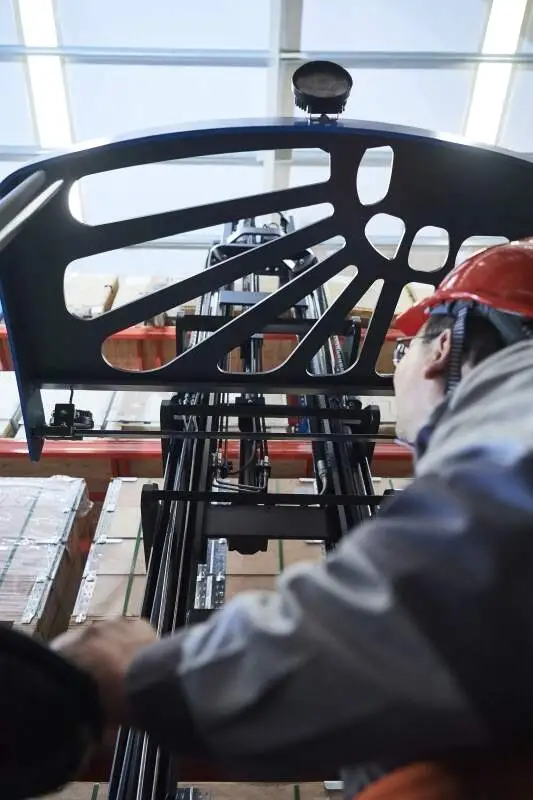
Third, prioritize safety features. Safety should be a non-negotiable aspect of any forklift procurement. Look for features like anti-slip flooring in the operator’s cabin, seatbelts, overhead guards to protect against falling objects, and audible warning alarms to alert nearby workers. Some models also include stability control systems to prevent tipping during heavy lifts or turns. Additionally, ensure the forklift meets relevant industry safety standards, as compliance reduces the risk of workplace accidents and potential legal issues.
Fourth, consider long-term maintenance and lifecycle costs. Beyond the upfront purchase price, factor in ongoing maintenance expenses, including parts replacement, servicing, and fuel or charging costs. Forklifts that require frequent specialized maintenance can increase operational costs over time, so opt for models with readily available parts and simple servicing requirements. Also, evaluate the expected lifespan of the forklift and resale value, as these contribute to the total cost of ownership.
Fifth, evaluate supplier support and warranty. A reliable supplier is essential for post-purchase support. Check if the supplier offers comprehensive training for operators, as proper training reduces accidents and improves efficiency. Also, review the warranty terms to ensure coverage for critical components and potential defects. A supplier with responsive customer service can minimize downtime if the forklift requires repairs or maintenance.
By following this comprehensive checklist, enterprises can make a well-informed decision when procuring industrial forklifts, balancing operational needs, safety, cost efficiency, and long-term reliability. Taking the time to evaluate each factor ensures that the chosen forklift aligns with the enterprise’s specific requirements, supporting smooth and efficient daily operations.