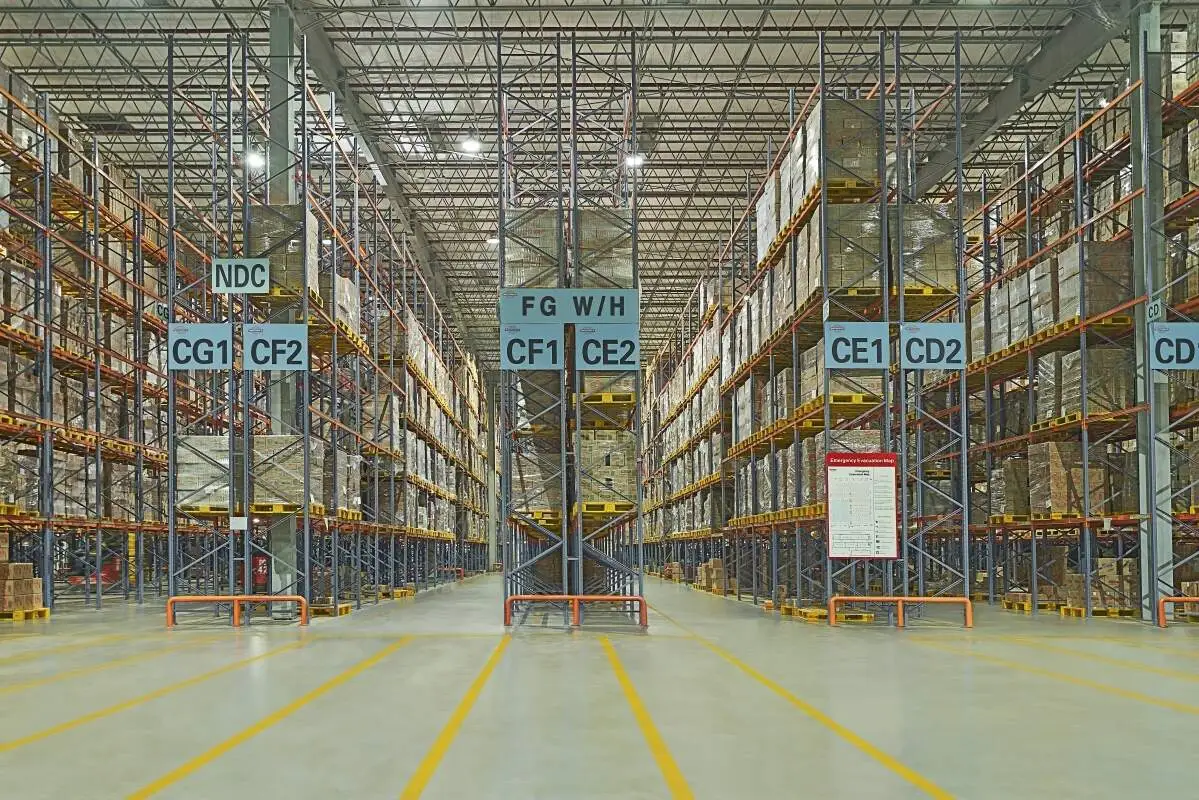
As global supply chains grow more complex and consumer demand for faster order fulfillment rises, warehouses are turning to automated solutions to stay competitive. Among these technologies, forklift Automated Guided Vehicles (AGVs) have emerged as a cornerstone of modern warehouse automation, driving transformative changes in operational workflows.
One prominent trend is the integration of forklift AGVs with the Internet of Things (IoT) ecosystem. By connecting AGVs to sensor networks and cloud-based platforms, warehouses can collect real-time data on vehicle performance, inventory levels, and traffic flow within the facility. This data enables managers to optimize route planning, reduce idle time, and proactively address maintenance needs, ensuring seamless operations even during peak demand periods. For example, IoT-enabled forklift AGVs can adjust their paths dynamically based on live updates of pallet locations or unexpected obstacles, minimizing delays and improving overall throughput.
Adaptive navigation systems are another key trend shaping forklift AGV technology. Traditional AGVs relied on fixed guide paths like magnetic tapes or QR codes, limiting their flexibility in dynamic warehouse environments. Today, advanced AGVs use Simultaneous Localization and Mapping (SLAM) technology, allowing them to navigate autonomously without pre-defined routes. These systems use cameras, LiDAR, and ultrasonic sensors to create real-time maps of the warehouse, adapting to changes such as relocated shelves, temporary storage zones, or human workers moving through the space. This flexibility makes forklift AGVs suitable for a wider range of warehouse layouts and tasks, from pallet transport to order picking.
Collaborative workflows between forklift AGVs and human workers are also gaining traction. Rather than replacing human staff, modern AGVs are designed to work alongside them, handling repetitive, physically demanding tasks like heavy pallet lifting or long-distance transport. Human workers can focus on more complex activities such as inventory inspection, quality control, or problem-solving. To ensure safe collaboration, AGVs are equipped with advanced safety features, including collision detection sensors and slow-down zones around human workers. Some systems even use voice or touch interfaces to allow workers to directly assign tasks to AGVs, streamlining communication and improving team efficiency.
Enhanced safety and compliance are additional priorities driving forklift AGV trends. As warehouses adopt more automated equipment, ensuring adherence to workplace safety standards is critical. Modern AGVs are built with multiple layers of safety mechanisms, including emergency stop buttons, obstacle avoidance algorithms, and geofencing to restrict access to high-risk areas. These features not only protect workers and equipment but also help warehouses meet regulatory requirements, reducing the risk of accidents and associated costs.
Looking ahead, forklift AGV technology is expected to evolve further, with advancements in artificial intelligence (AI) enabling even more intelligent decision-making. AI-powered AGVs will be able to learn from historical data to optimize task scheduling, predict equipment failures, and adapt to changing operational needs in real time. This will help warehouses achieve higher levels of efficiency, flexibility, and scalability, positioning them to meet the evolving demands of the global supply chain.