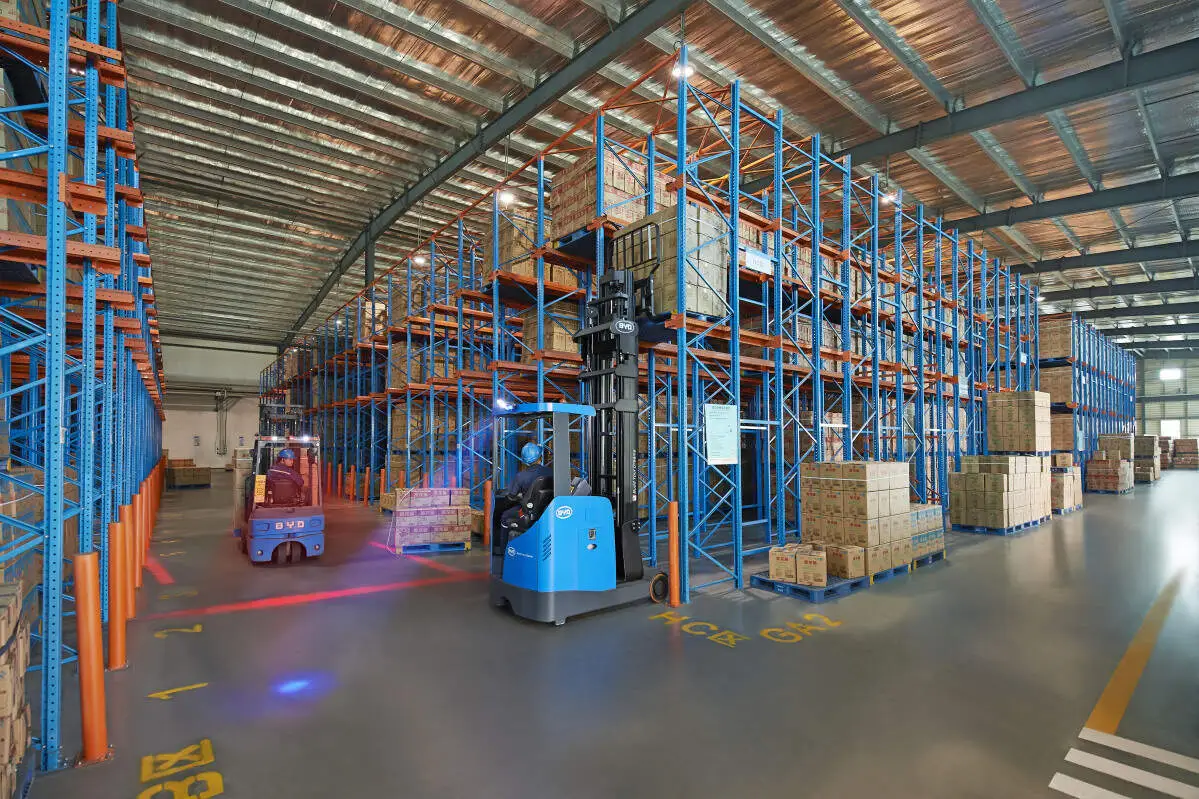
As global industries accelerate their shift toward carbon-neutral operations, hydrogen-powered forklifts have emerged as a reliable zero-emission alternative to traditional diesel and battery-powered material handling equipment. Hydrogen forklift manufacturers play a central role in advancing this technology, addressing critical pain points like long charging delays and limited runtime while meeting the diverse needs of warehouses, distribution centers, and industrial facilities.
Most hydrogen forklift manufacturers prioritize developing high-efficiency fuel cell systems that deliver consistent power for extended shift times. Unlike battery-powered forklifts that require hours of charging, hydrogen models can be refueled in just a few minutes, making them ideal for high-throughput operations where downtime must be minimized. These manufacturers also focus on enhancing the durability of fuel cell components, reducing maintenance requirements to ensure long-term cost-effectiveness for end-users. Many designs are engineered to perform in challenging environments, from cold storage facilities with sub-zero temperatures to outdoor loading yards exposed to harsh weather.
Sustainability is a core guiding principle for hydrogen forklift manufacturers. They aim to support businesses in meeting their carbon reduction goals by optimizing fuel cell efficiency to minimize hydrogen consumption, and integrating recyclable materials into forklift frames and components. Additionally, manufacturers work closely with global safety regulators to ensure their products adhere to strict standards for hydrogen storage, handling, and operation, addressing common concerns about fuel safety and equipment reliability.
Recognizing that material handling needs vary widely across industries, hydrogen forklift manufacturers offer customized solutions tailored to specific operational requirements. This includes adjusting load capacities, lift heights, and fuel tank sizes to fit unique warehouse layouts and task demands. Leading manufacturers also collaborate with hydrogen infrastructure providers to develop accessible refueling networks, helping businesses overcome one of the key barriers to adopting hydrogen-powered equipment. By partnering with refueling station operators, they ensure that end-users can easily access hydrogen fuel to keep their fleets running smoothly.
Looking ahead, hydrogen forklift manufacturers are investing in advanced technologies to further streamline operations. This includes automated refueling systems that eliminate the need for manual fuel handling, and smart fleet management tools that track fuel usage, performance metrics, and maintenance schedules in real time. Manufacturers are also exploring ways to lower the upfront cost of hydrogen forklifts, making sustainable material handling solutions more accessible to small and medium-sized enterprises that are eager to reduce their environmental footprint.
In conclusion, hydrogen forklift manufacturers are at the forefront of the sustainable material handling revolution. Their focus on technological innovation, safety, customization, and infrastructure collaboration is driving the widespread adoption of hydrogen-powered forklifts across industries. As businesses continue to prioritize sustainability, these manufacturers will play an increasingly important role in shaping the future of industrial material handling, offering a reliable, eco-friendly alternative to traditional equipment.