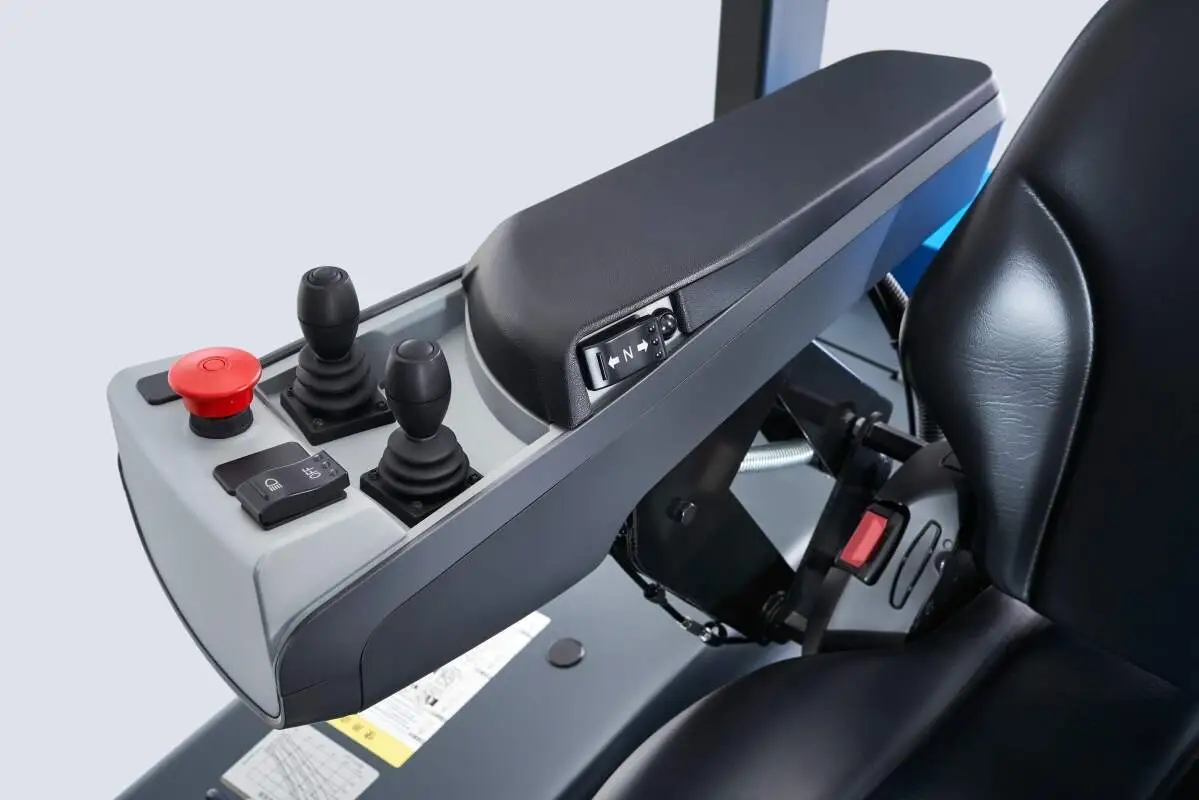
forklift attachments are specialized tools designed to extend the capabilities of standard forklifts, transforming them into multi-functional equipment tailored to diverse material handling needs. In industries ranging from warehousing and logistics to manufacturing and construction, these attachments play a critical role in optimizing operations, reducing manual labor, and enhancing workplace safety.
One of the most widely used forklift attachments is the side shifter. This device allows the forklift’s forks to move horizontally, enabling operators to align loads precisely without repositioning the entire vehicle. Side shifters are particularly useful in tight warehouse spaces where maneuverability is limited, as they reduce the risk of damaging pallets, racks, and surrounding inventory. They also speed up loading and unloading processes by eliminating the need for repeated adjustments, cutting down on overall operational time.
For handling irregularly shaped loads such as barrels, coils, or oversized boxes, clamp attachments and rotators are essential. Clamp attachments provide a secure grip on non-palletized items, preventing slippage during transport even on uneven surfaces. Rotators, on the other hand, allow loads to be rotated up to 360 degrees, making it easier to stack items in specific orientations or empty containers like dumpsters. Both attachments minimize the need for manual load securing, reducing the risk of workplace injuries associated with lifting and tying down heavy items.
Carton clamps and pushers are tailored for specific packaging and inventory management tasks. Carton clamps use soft, padded arms to hold cartons and boxes firmly without causing damage to delicate goods like electronics, furniture, or consumer products. This makes them ideal for industries where product integrity is a top priority. Pushers, meanwhile, enable operators to push pallets of goods off the forklift forks onto shelves or into delivery trucks, streamlining the unloading process and reducing physical strain on workers who would otherwise have to move items manually.
When selecting forklift attachments, several key factors should be considered to ensure compatibility and effectiveness. First, operators must assess the weight and dimensions of the loads they typically handle, as each attachment has specific load capacity limits that must not be exceeded. It is also important to verify that the attachment is compatible with the forklift’s hydraulic system and overall design, as improper installation can lead to equipment malfunctions and safety hazards. Additionally, considering the working environment—whether it’s a cold storage facility with low temperatures, an outdoor construction site with rough terrain, or a busy warehouse with narrow aisles—helps in choosing attachments that can withstand specific conditions and perform reliably.
Investing in the right forklift attachments can significantly improve operational efficiency, reduce labor costs, and enhance workplace safety. By understanding the different types of attachments and their unique applications, businesses can select tools that align with their specific material handling needs, ensuring smooth and productive operations across various industries.