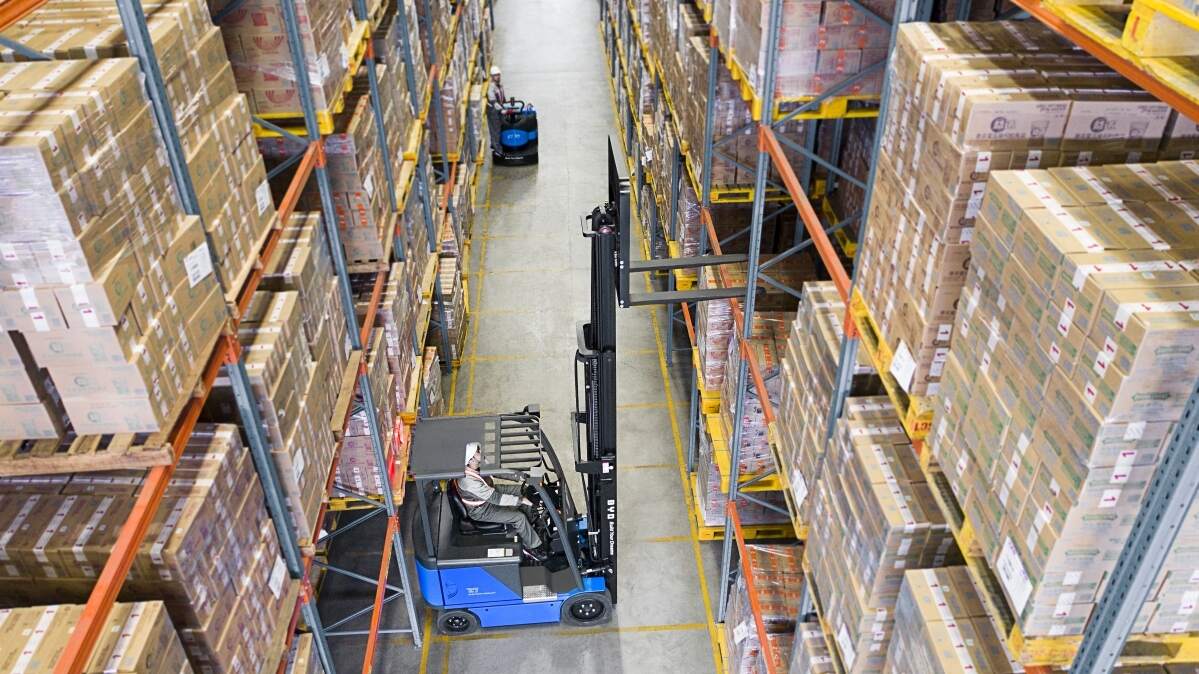
forklift safety cages are critical components for protecting operators and securing cargo during elevated material handling tasks, making pre-use inspections a non-negotiable part of daily warehouse operations. Skipping these checks can lead to structural failures, falls, or cargo accidents that disrupt workflow and put personnel at risk. Below is a detailed, step-by-step inspection framework to ensure forklift safety cages are in optimal condition before each use.
Start with structural integrity checks, the foundation of cage safety. Conduct a thorough visual scan of the cage’s frame and panels, focusing on stress points like welds, corner joints, and load-bearing areas. Look for signs of bending, cracking, or corrosion—even minor damage can compromise the cage’s ability to withstand impact or weight during operation. Pay close attention to the cage floor: check for warped plates, loose fasteners, or gaps that could trip operators or cause cargo to shift unexpectedly. If any structural damage is identified, remove the cage from service immediately until repairs are completed by a qualified technician.
Next, verify attachment and connection security. Confirm the cage is firmly mounted to the forklift’s carriage by inspecting all brackets, bolts, and locking pins. Ensure these components are tight, free from wear or deformation, and that locking mechanisms engage smoothly and securely. Loose connections can cause the cage to shift or detach mid-lift, leading to catastrophic incidents. Additionally, inspect any secondary attachments like chains or straps used to secure cargo within the cage for fraying, stretching, or damage. Replace worn or compromised attachments before putting the cage into use.
Then, validate essential safety features. Inspect guardrails and access gates to ensure they are intact, with no gaps or missing sections. Gates should close and latch securely to prevent falls from elevated positions. If the cage includes a safety harness anchor point, confirm it is sturdy, rust-free, and capable of supporting the required load—operators must use harnesses when working at height, so this anchor point’s integrity is non-negotiable. Check that all warning labels and safety decals are legible and in place, as they serve as critical reminders of operational protocols for all personnel.
Test operational functionality before initiating tasks. Lower and raise the cage using the forklift’s controls to ensure it moves smoothly without jerks, grinding noises, or unusual resistance. Verify the cage remains level during lifting; any tilting may indicate issues with the attachment or forklift hydraulics. If the cage has a rotating feature, test it to ensure it turns freely and locks into position as needed. Note any irregular sounds or movements during these tests, as they may signal underlying mechanical problems that require immediate attention.
Finally, complete cleanliness and environmental checks. Remove debris, oil spills, or loose objects from the cage floor to eliminate slip-and-fall risks. Ensure the surrounding operating area is clear of obstacles that could interfere with lifting or maneuvering the cage. Address environmental hazards like wet floors or uneven terrain before beginning operations, as these can compromise stability and increase accident risk.
Completing this daily inspection checklist is a simple yet effective way to mitigate risks and ensure compliance with workplace safety regulations. By taking a few minutes each day to perform these checks, warehouse managers and operators can prevent accidents, reduce downtime, and foster a safer working environment for everyone. Regular inspections are not just a procedural requirement—they are an investment in team well-being and operational efficiency.