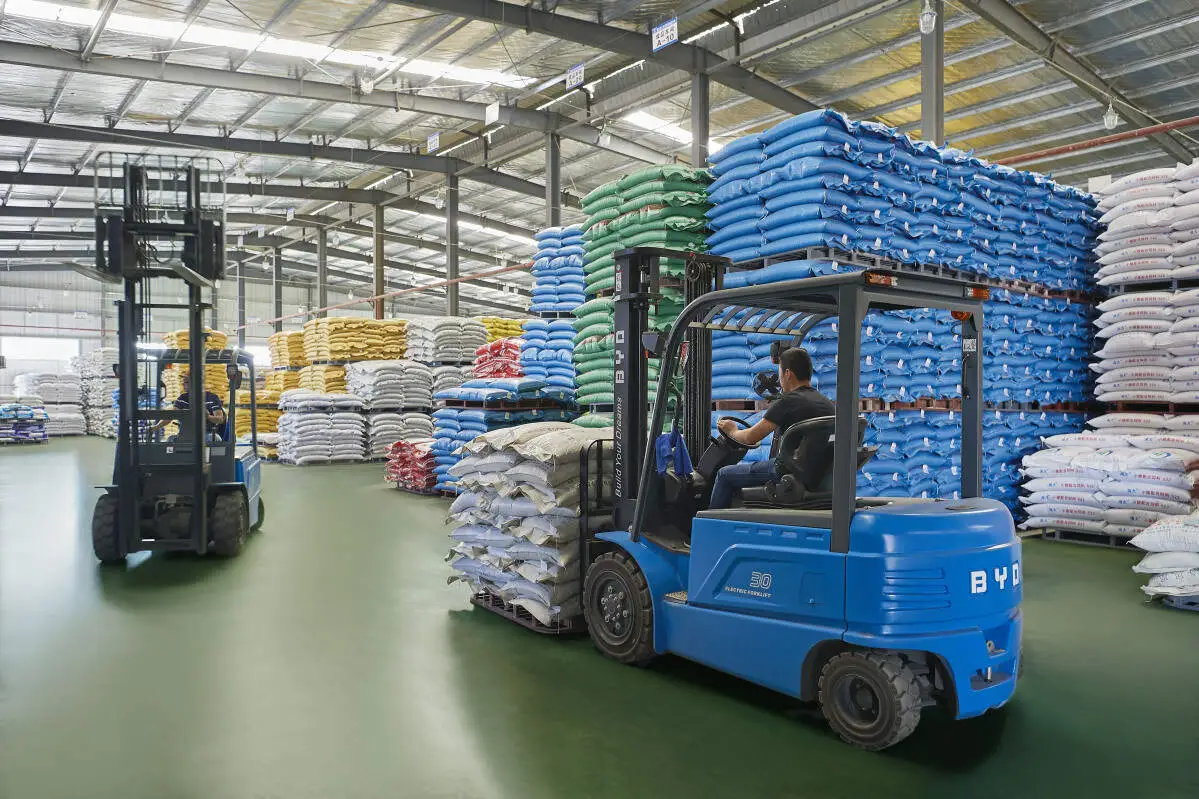
The used industrial forklift market in North America has witnessed steady growth over the past few years, driven by evolving industrial logistics needs and cost-conscious business strategies. As of recent data, the market holds a significant share of the overall material handling equipment sector, with demand spanning small-scale warehouses, manufacturing facilities, and distribution centers across the United States and Canada.
Several key factors are fueling this growth. First, small and medium-sized enterprises (SMEs) increasingly opt for used forklifts to reduce upfront costs, as new equipment prices continue to rise due to supply chain constraints and component shortages. Used forklifts, when properly inspected and maintained, offer comparable performance at 30% to 50% lower costs, making them a cost-effective solution for businesses operating on tight budgets. Additionally, the post-pandemic recovery of the logistics and manufacturing sectors has boosted demand for material handling equipment, and many companies are turning to the used market to meet immediate needs without long lead times associated with new forklifts. The durability of modern industrial forklifts, which can operate for 10,000 to 20,000 hours with regular maintenance, also supports the viability of the used market, as well-maintained units can serve secondary users effectively.
Despite positive growth, the used industrial forklift market in North America faces notable challenges. One primary issue is the lack of standardized inspection protocols across the industry. Without uniform guidelines, buyers often face uncertainty about the condition of used units, including engine health, battery life (for electric models), and structural integrity. This can lead to unexpected repair costs and operational downtime. Another challenge is the fluctuation in refurbishment costs, driven by volatile prices of spare parts and labor shortages in the maintenance sector. Additionally, the rise of electric forklifts in the new market has created a learning curve for buyers of used electric units, as many lack knowledge about battery maintenance and replacement costs, hindering adoption to some extent.
Looking ahead, several trends are set to shape the market. The demand for used electric forklifts is expected to surge, as businesses transition to sustainable material handling solutions to meet environmental regulations and reduce carbon footprints. Refurbished electric units offer a lower-entry point for companies looking to adopt green equipment without the high cost of new models. Furthermore, digital platforms are emerging as key channels for buying and selling used forklifts, providing transparent listings with detailed inspection reports, warranty options, and financing solutions. This digitalization is likely to increase market accessibility and trust between buyers and sellers. Additionally, the growing focus on circular economy principles is encouraging industry players to develop certified pre-owned programs, which will standardize quality checks and offer longer warranties, further stabilizing the used market.
In conclusion, the used industrial forklift market in North America is poised for continued growth, supported by cost-saving priorities, post-pandemic industry recovery, and the shift toward sustainable equipment. While challenges like inconsistent inspection standards and refurbishment cost volatility persist, ongoing digitalization and the rise of certified pre-owned programs are expected to address these issues, creating a more transparent and reliable market for stakeholders. Businesses operating in this sector should stay informed about these trends to make strategic decisions that align with their operational and financial goals.