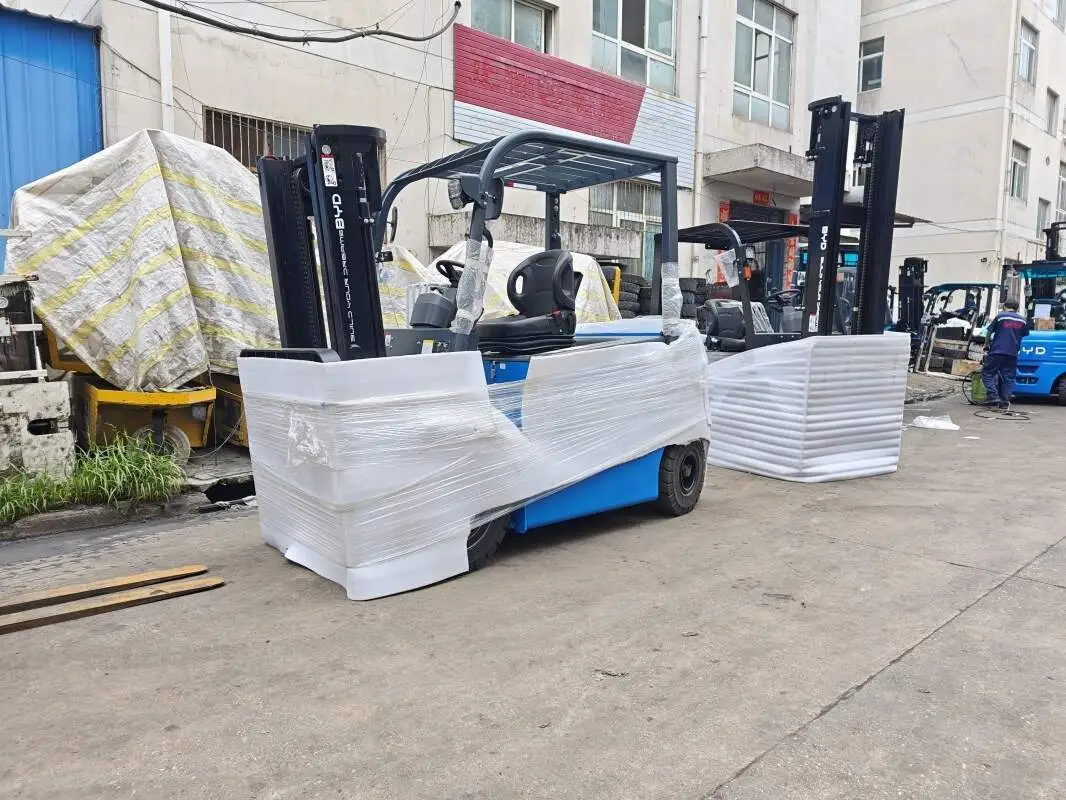
forklift fork blades are critical load-bearing components that directly impact operational safety and material handling efficiency. Over time, constant exposure to heavy loads, friction, and environmental factors leads to wear and tear, making it essential to establish clear judgement criteria for replacement to avoid potential accidents and equipment downtime.
The first key criterion is measurable wear on the fork blade’s thickness and length. Industry safety guidelines typically recommend replacing forks when the thickness of the blade’s load-bearing section is reduced by 10% or more from its original specification. This is because excessive thickness loss weakens the fork’s structural integrity, reducing its load-carrying capacity and increasing the risk of fracture under heavy loads. For length wear, if the fork tip has worn down to a point where it cannot securely engage with pallets or lifting attachments, replacement is necessary to prevent load slippage during lifting operations.
Structural damage is another non-negotiable criterion for immediate replacement. Cracks, whether visible on the surface or detected through non-destructive testing methods, indicate significant structural weakness. Even small, seemingly harmless cracks can propagate rapidly under repeated load stress, leading to sudden fork failure without warning. Bent or twisted forks, often caused by improper lifting techniques or accidental impacts with loading docks or inventory, also require urgent replacement. A bent fork disrupts the forklift’s center of gravity, causing unstable load handling and increasing the risk of tip-overs, which pose severe threats to both workers and valuable inventory.
Functional impairment that hinders safe and efficient operation is also a clear sign for replacing worn fork blades. If the fork blades have become unevenly worn, causing pallets to tilt or slide during lifting and transport, it compromises load stability. Additionally, worn fork hooks or attachment points that fail to securely hold lifting accessories can lead to unexpected load drops, creating hazardous working conditions. Operators should be trained to recognize these functional issues during daily pre-operation checks, as they directly impact workplace safety and overall operational efficiency.
Adherence to safety regulations and regular inspection schedules is crucial for timely replacement. Many regions mandate periodic forklift inspections by qualified technicians to assess fork condition thoroughly. These professional inspections help identify wear and damage that may not be visible to daily operators, such as internal stress cracks. Establishing a consistent inspection routine, including visual checks and precise measurement tests, ensures that worn forks are replaced before they pose critical safety risks. It is also important to document all inspections and replacements to maintain compliance with local workplace safety standards and mitigate liability risks.
In summary, replacing worn forklift fork blades requires a systematic approach based on measurable wear thresholds, structural integrity checks, functional performance evaluations, and regulatory compliance. By following these clear judgement criteria, businesses can enhance workplace safety, reduce costly equipment downtime, and ensure the long-term efficiency of their material handling operations.