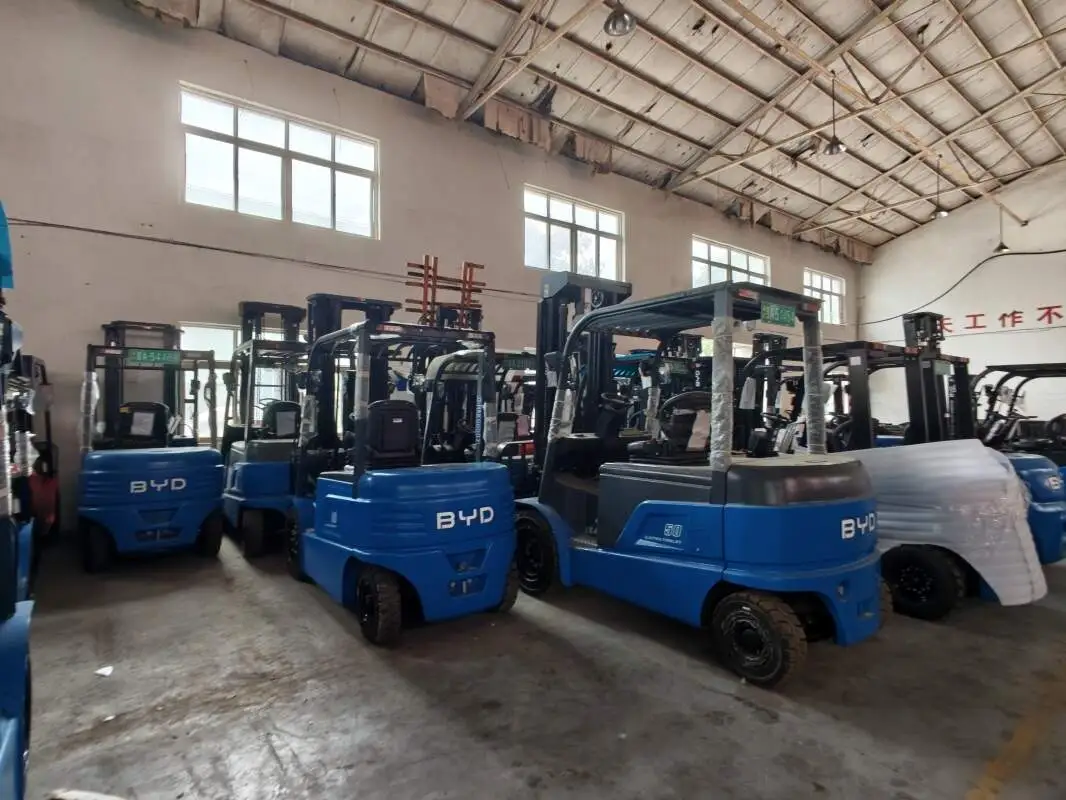
Warehouse operations rely heavily on forklifts for efficient material handling, but collisions between forklifts and storage racks remain a leading cause of equipment damage, inventory loss, and workplace injuries. Establishing and adhering to recommended safety distances is critical to mitigating these risks and maintaining a secure working environment.
When traveling through narrow warehouse aisles lined with storage racks, forklift operators must maintain a minimum side clearance of 30 centimeters (1 foot) between the vehicle and the rack structure. This distance prevents accidental scrapes that can weaken rack integrity over time and reduces the risk of loose items falling from racks onto the forklift or operators. For larger forklift models with wider turning radii, this clearance should be increased to 45-60 centimeters to account for the vehicle’s greater size and maneuvering needs.
During loading and unloading operations, the safety distance requirements shift. When positioning forks to lift or place goods onto rack beams, operators should leave a gap of 15-20 centimeters between the forks or load and the rack. This buffer ensures that the load can be aligned accurately without striking the rack, which could dislodge stored items or bend critical rack components. Additionally, when lowering a load onto a rack, maintaining this distance allows operators to make precise adjustments, reducing the chance of the load tipping or damaging the rack.
Several factors influence the necessary safety distances, and operators must adapt accordingly. Heavy or oversized loads, for example, may cause the forklift to sway slightly during movement, requiring an increased clearance to compensate for instability. Uneven or slippery floor surfaces also demand wider distances, as they can affect the forklift’s control and stopping ability. Regular rack maintenance is another key consideration; damaged or misaligned racks may require larger clearances to avoid further harm.
To reinforce safe practices, warehouses should provide comprehensive operator training that covers distance estimation, hazard recognition, and proper maneuvering techniques. Installing visual cues such as painted aisle markers or warning signs can also help operators maintain consistent clearances. Additionally, implementing routine inspections of both forklifts and storage racks ensures that any potential issues, such as worn tires or bent rack beams, are addressed before they lead to accidents.
By prioritizing recommended safety distances between forklifts and storage racks, warehouses can significantly reduce the likelihood of collisions, protect personnel and assets, and maintain smooth, efficient operations. Consistency in following these guidelines, combined with ongoing training and maintenance, creates a culture of safety that benefits all workers.