As electric forklifts become the backbone of modern warehouse operations, adopting energy-efficient operation habits is key to reducing operational costs, extending equipment lifespan, and supporting sustainable warehouse practices. Small, consistent changes in daily operation can significantly cut energy consumption without compromising productivity.
Optimizing speed and acceleration is one of the simplest yet most effective energy-saving habits. Frequent rapid acceleration and sudden braking force the forklift’s motor to work harder, draining the battery faster. Instead, operators should maintain a steady, moderate speed suited to the warehouse environment, especially in narrow aisles or areas with pedestrian traffic. Smooth acceleration and gradual braking not only conserve energy but also reduce wear on components like brakes and tires, lowering long-term maintenance costs.
Strategic load management also plays a critical role in energy efficiency. Overloading the forklift beyond its rated capacity strains the motor and increases energy use, while underloading wastes potential productivity. Operators should ensure loads are properly balanced and secured to avoid unnecessary strain on the forklift’s lifting system. Additionally, planning efficient routes to minimize backtracking and redundant trips can cut down on energy spent traveling across the warehouse, ensuring each move serves a clear purpose.
Proactive battery maintenance is essential for maximizing electric forklift energy efficiency. Batteries that are not properly cared for lose their ability to hold a charge, leading to more frequent recharges and higher energy consumption. Operators should follow recommended charging schedules, avoiding overcharging or allowing the battery to fully discharge, which can damage cells. Keeping battery terminals clean and free of corrosion, and maintaining proper electrolyte levels where applicable, ensures efficient power transfer. Storing batteries in a temperature-controlled environment also helps preserve their performance, as extreme heat or cold can reduce battery efficiency.
Smart parking and idling practices can further reduce energy waste. When the forklift is not in use for more than a few minutes, operators should turn off the power instead of leaving it idle. Even short periods of idling drain the battery unnecessarily. Additionally, parking the forklift with the forks lowered to the ground reduces the strain on the hydraulic system and conserves energy, while engaging the parking brake prevents accidental movement that could waste power.
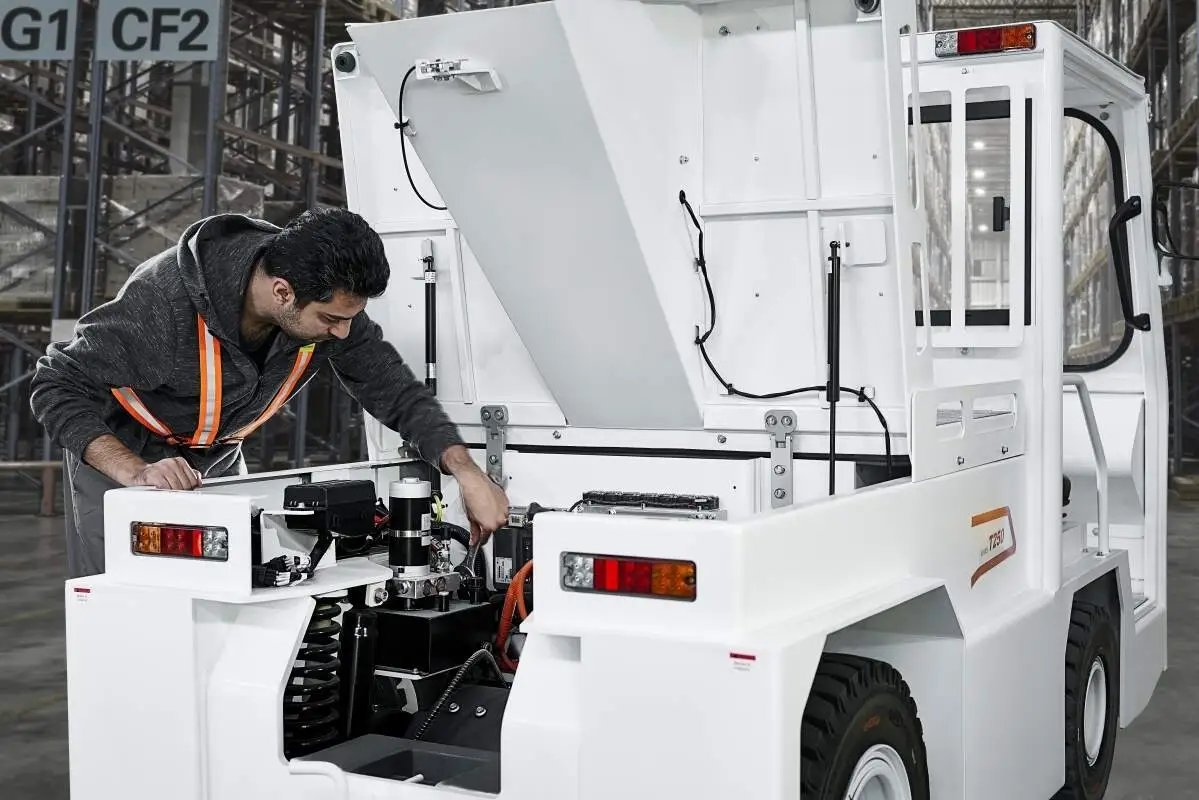
Regular equipment inspections are a foundational part of energy-efficient operation. Checking tire pressure regularly ensures optimal traction and reduces rolling resistance, which can increase energy use when tires are underinflated. Inspecting the forklift’s motor, hydraulic system, and brakes for signs of wear or damage helps identify issues that may cause increased energy consumption. Addressing these problems promptly keeps the forklift operating at peak efficiency, avoiding unnecessary energy drain due to faulty components.
By integrating these energy-efficient operation habits into daily warehouse routines, businesses can achieve significant energy savings, lower operational costs, and extend the lifespan of their electric forklifts. These practices not only benefit the bottom line but also contribute to a more sustainable, eco-friendly warehouse environment.