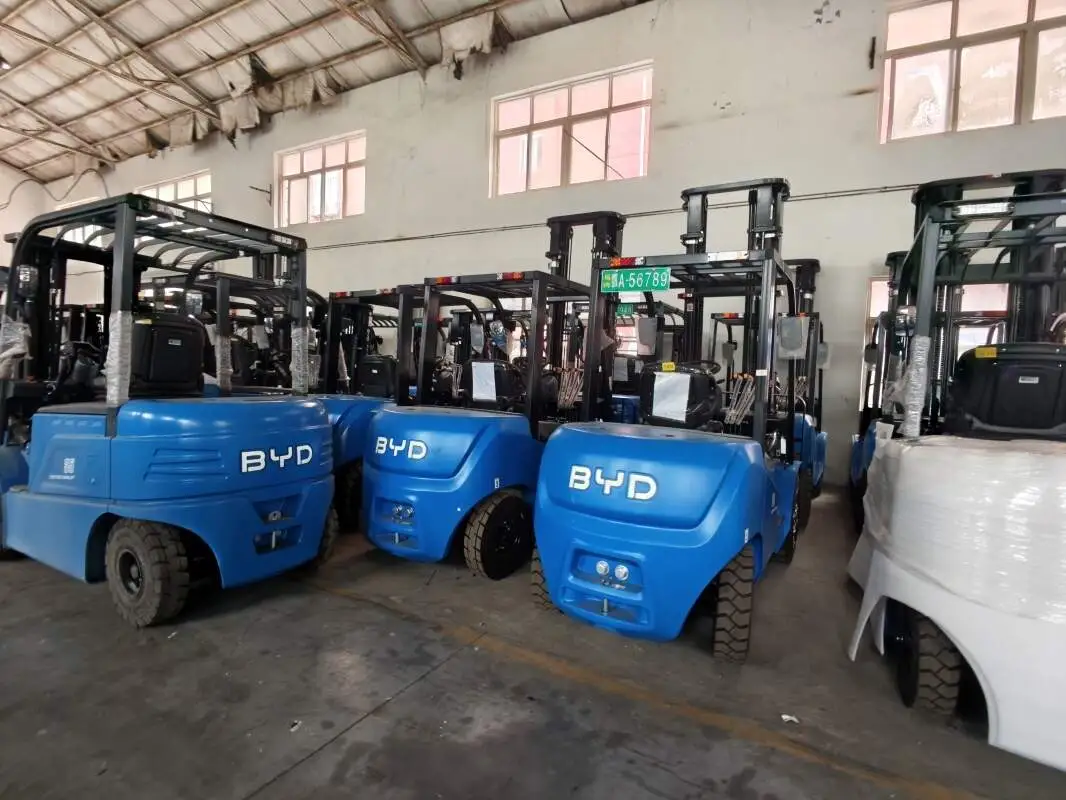
forklift anti-collision warning lights play a critical role in reducing workplace collision risks, especially in busy warehouses and industrial facilities where forklifts operate alongside pedestrians and other machinery. Understanding proper installation procedures and core functions is essential for maximizing their safety benefits.
Installation Guide
#Pre-Installation Preparation
Before starting installation, ensure you have all necessary tools, including a drill, screwdrivers, wire strippers, and insulated tape. Carefully review the product’s installation manual to identify compatibility with your forklift’s electrical system. Conduct a brief inspection of the forklift’s exterior to confirm there are no damaged surfaces that could affect mounting stability.
#Mounting Location Selection
Choose mounting positions that offer unobstructed visibility for both the forklift operator and surrounding personnel. Common optimal locations include the forklift’s roof, front grille, or side pillars. Avoid mounting near moving parts or areas prone to debris accumulation, as this can interfere with the light’s functionality. Ensure the light is positioned at a height that maximizes its reach across different operating zones.
#Wiring and Electrical Connection
Prior to wiring, disconnect the forklift’s battery to prevent electrical shocks. Route the light’s wiring along existing harnesses to avoid interference with moving components. Use insulated tape to secure wires and protect them from abrasion. Connect the wires to the forklift’s power source according to the manual’s specifications, ensuring proper polarity to avoid damaging the light system.
#Testing and Calibration
After completing installation, reconnect the battery and perform a functional test. Activate the forklift and check that the warning light turns on automatically when the vehicle starts. Adjust the light’s angle and sensitivity settings to ensure it detects obstacles within the intended range. Conduct a trial run in a controlled area to verify that alerts trigger correctly when approaching objects or pedestrians.
Core Functions
#Collision Detection and Audible Alert
The primary function of anti-collision warning lights is to detect nearby objects, pedestrians, or other vehicles using built-in sensors. When a potential collision risk is identified, the light emits a bright, visible signal paired with an audible alert, prompting the operator to slow down or stop immediately.
#Blind Spot Monitoring
Many anti-collision warning lights include blind spot monitoring capabilities. They cover areas that the forklift operator cannot easily see, such as the rear and side zones. The light flashes continuously when a person or object enters these blind spots, ensuring the operator remains aware of hidden hazards.
#Low-Light Visibility Enhancement
In dimly lit warehouses or outdoor night operations, these lights enhance visibility by emitting high-intensity, colored beams (typically red or amber). This makes the forklift more noticeable to pedestrians and other equipment operators, reducing the risk of accidental collisions in low-visibility conditions.
#Speed Regulation Prompt
Some advanced systems integrate speed detection features. When the forklift exceeds a safe operating speed in high-traffic zones, the warning light flashes rapidly and emits a distinct alert, reminding the operator to reduce speed and maintain safe operational practices.
Proper installation and utilization of forklift anti-collision warning lights can significantly reduce workplace accidents, protect personnel, and improve overall operational efficiency. Regular maintenance, including cleaning sensors and checking wiring connections, ensures the system remains reliable over time.