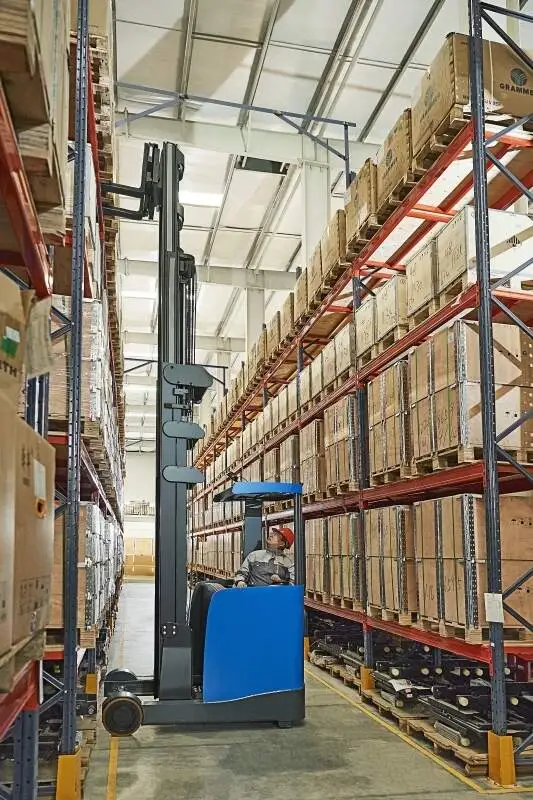
In Texas’s bustling industrial and logistics sectors, Skytrak forklifts are a common sight, supporting daily operations from warehouse loading to construction site material handling. For businesses or individuals looking to purchase a used Skytrak forklift in the state, a thorough pre-purchase inspection is critical to ensure reliability, safety, and long-term value.
Start with the exterior and structural components. Texas’s varied terrain, from urban warehouse lots to rural construction sites, can take a toll on forklift frames and bodywork. Inspect the main chassis for signs of rust, cracks, or bent sections, which could indicate past accidents or heavy-duty use. Check the condition of the tires—look for uneven wear, deep cuts, or low tread, as these affect stability and traction on Texas’s sometimes dusty or uneven surfaces. Examine the forks for bending, cracks, or excessive wear; damaged forks pose a serious safety risk when lifting heavy loads.
Next, assess the engine and powertrain. Texas’s hot climate places extra stress on forklift engines, so start the engine and listen for unusual noises like knocks or squeals. Let it idle for a few minutes to check for consistent performance, then inspect for leaks of oil, fuel, or coolant—even small leaks can lead to costly breakdowns in the long run. Check the fluid levels and the condition of the oil; dark, gritty oil may indicate poor maintenance. Observe the exhaust smoke: excessive black or white smoke could signal engine issues that need immediate attention.
The hydraulic system is the backbone of a forklift’s lifting capabilities, so a detailed check is essential. Operate the lift and tilt functions multiple times, watching for smooth, responsive movement. Look for any leaks in hydraulic hoses, seals, or cylinders—hydraulic fluid leaks not only reduce performance but also create slip hazards. Check the hydraulic fluid reservoir to ensure it’s at the correct level and that the fluid is clean and free of contaminants. Slow or jerky movement during operation may indicate air in the system or worn components that require repair.
Safety features should never be overlooked, especially in Texas’s busy work environments. Verify that all safety equipment is functional: test the seatbelt to ensure it latches securely, check that rearview mirrors are intact and properly adjusted, and confirm that the horn, warning lights, and backup alarms work as intended. Test the emergency brake and tilt lock mechanisms to ensure they engage quickly and hold the forklift in place. These features are critical for preventing accidents in high-traffic areas like Houston’s port facilities or Dallas’s industrial parks.
Finally, conduct a test drive in a safe, open area. Test the steering responsiveness, making sure it turns smoothly without excessive play. Drive at varying speeds to check the brake system—brakes should engage evenly without pulling to one side. Test the forklift’s ability to navigate turns and handle slight inclines, simulating the conditions it will face in real-world use. Pay attention to any vibrations, unusual sounds, or handling issues that may not have been apparent during static inspections.
By following this comprehensive checklist, buyers in the Texas market can confidently evaluate Skytrak forklifts for sale, ensuring they invest in a machine that meets their operational needs and adheres to safety standards. For added peace of mind, consider hiring a certified forklift technician to perform a professional inspection, particularly for high-hour or older units. Taking these steps helps avoid unexpected repair costs and ensures the forklift is ready to contribute to your Texas-based operations from day one.