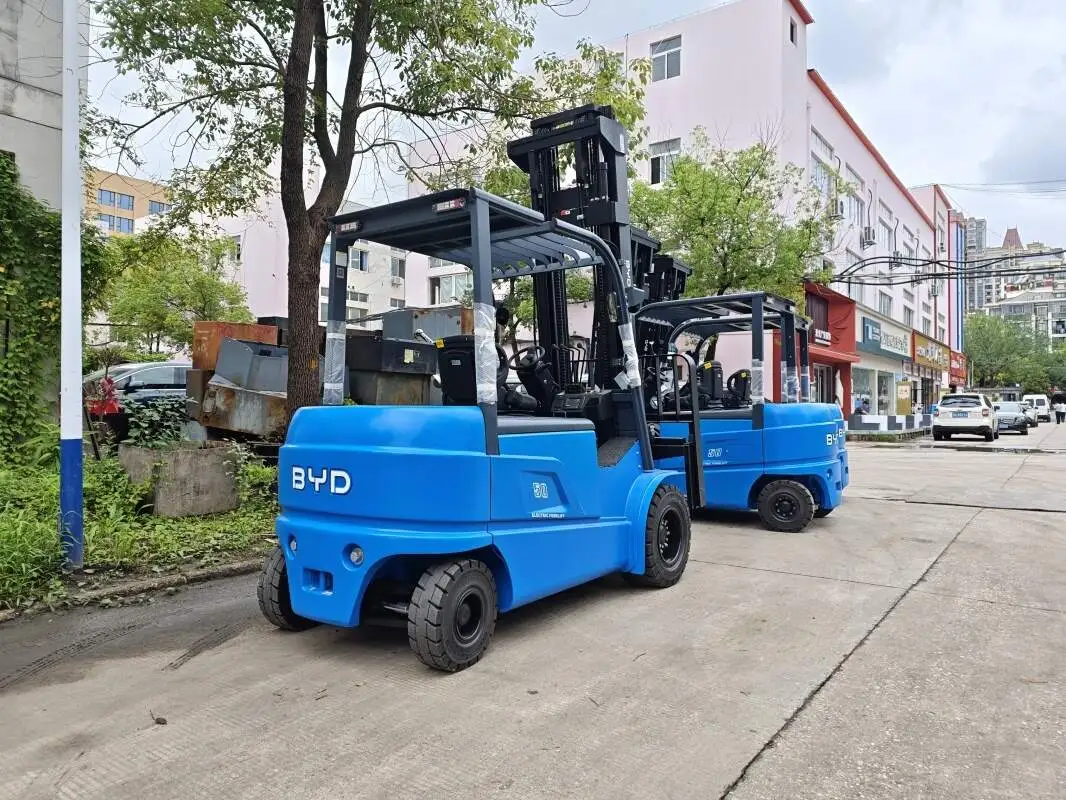
forklift working keys play a critical role in ensuring the safe and efficient operation of industrial forklifts, as they control access to these heavy-duty machines and prevent unauthorized use. Proper duplication and maintenance of these keys are essential to avoid operational disruptions, enhance workplace safety, and extend the lifespan of both the keys and the forklift’s ignition system.
When it comes to duplicating forklift working keys, precision and compliance are non-negotiable. Unlike standard household keys, forklift keys often feature unique tooth profiles or integrated electronic chips calibrated to specific equipment models. To ensure a reliable duplicate, it is recommended to work with service providers who specialize in industrial vehicle key duplication, as they possess the necessary tools and expertise to replicate keys accurately without damaging the original or compromising the forklift’s security features.
Before initiating duplication, inspect the original key for signs of wear or damage. A worn key may not produce an accurate duplicate, leading to ignition issues or difficulty operating the forklift. Additionally, maintain a clear record of all duplicated keys, including who they are assigned to, to minimize the risk of lost or misplaced keys falling into unauthorized hands. If your forklift uses electronic keys with security chips, ensure the duplicate is programmed correctly to sync with the forklift’s onboard system, as improper programming can render the key useless.
Proper maintenance is key to keeping forklift working keys functional over time. Start by keeping keys clean: regularly wipe them with a dry, lint-free cloth to remove dust, grease, and debris that can accumulate in the key’s tooth gaps or on electronic components. Avoid exposing keys to harsh chemicals or excessive moisture, as these can cause corrosion or damage to electronic chips.
Store keys in a dedicated, secure location when not in use. Avoid tossing them into pockets with other hard objects like tools or coins, as this can scratch the key’s surface, bend the shaft, or damage internal electronic parts. If you notice signs of wear, such as difficulty inserting the key into the ignition or frequent jamming, replace the key promptly to prevent further damage to the forklift’s ignition switch.
Never use forklift keys as makeshift tools, such as prying open boxes or tightening bolts. This can cause irreversible damage to the key’s teeth or shape, making it unable to operate the forklift effectively. Finally, conduct regular inspections of all active keys to ensure they are in good condition, and remove any lost or stolen keys from your access records immediately to maintain workplace security.
By following these duplication and maintenance guidelines, you can ensure that your forklift working keys remain reliable, secure, and functional, supporting smooth industrial operations and reducing the risk of unexpected downtime or safety incidents.