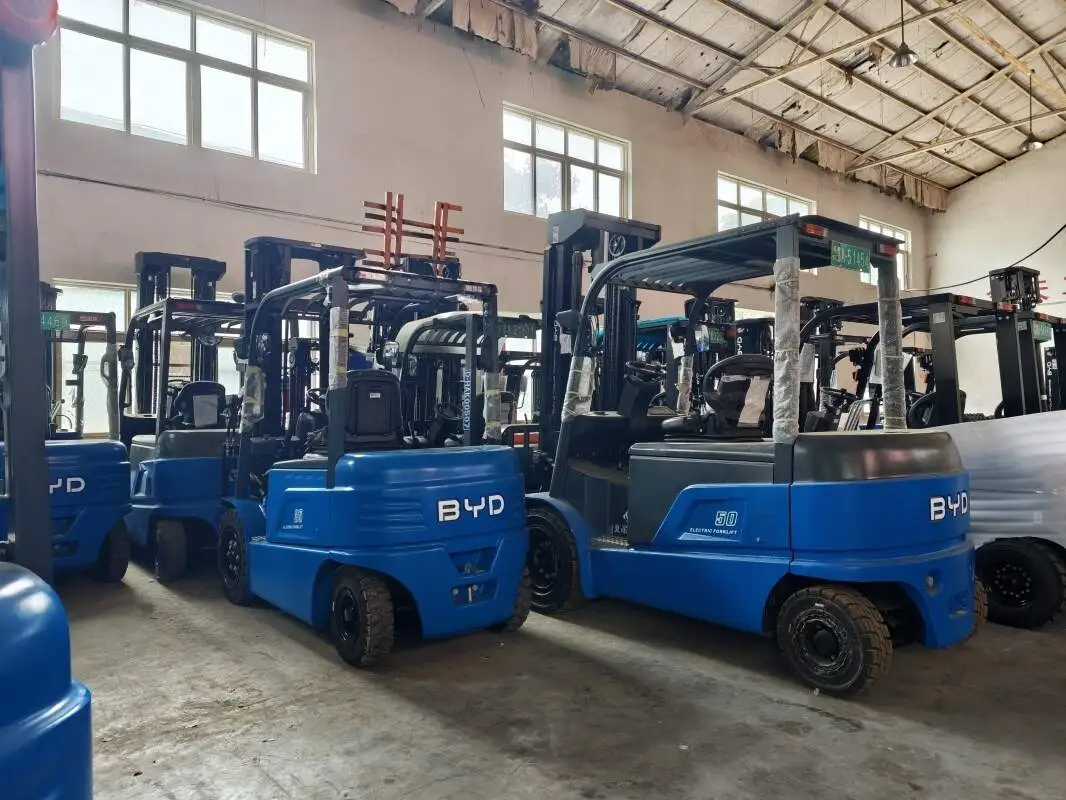
In modern material handling operations, mixed-load tasks—characterized by varying cargo weights, sizes, and storage requirements—pose unique challenges for equipment efficiency and safety. Counter balance forklifts have emerged as a reliable solution, thanks to purpose-built design features tailored to address these diverse demands.
The core design of a counter balance forklift centers on its rear weight system, which offsets the load carried by the front forks. This balanced configuration allows the equipment to safely handle both light and heavy loads within its rated capacity. Unlike specialized forklifts limited to specific load ranges, the counter balance design maintains optimal stability across mixed-load scenarios, reducing the risk of tip-overs and ensuring consistent performance during repetitive lifting and transporting tasks.
Many mixed-load environments, such as warehouses with varying aisle widths and storage layouts, require equipment that can navigate tight spaces without sacrificing load control. Counter balance forklifts feature a compact turning radius and responsive steering systems, enabling operators to maneuver around obstacles, adjust positions for different cargo types, and efficiently move between storage zones. This agility is particularly valuable when switching between handling small, palletized goods and larger, bulky items in the same operational area.
To accommodate mixed loads, counter balance forklifts are designed with adjustable fork widths and variable lift heights. Operators can quickly adjust the forks to fit different pallet sizes or irregular cargo shapes, eliminating the need for frequent equipment swaps. Additionally, the lift mechanism’s smooth, controlled operation ensures gentle handling of fragile items while maintaining the power to lift heavy loads, making it versatile for tasks ranging from restocking shelves with lightweight goods to unloading heavy shipments from trucks.
Mixed-load tasks often involve long hours of repetitive operation, so operator comfort directly impacts productivity. Counter balance forklifts incorporate ergonomic features such as padded seats, intuitive control layouts, and clear visibility from the cabin. These design elements reduce operator fatigue, allowing for consistent performance throughout shifts and minimizing the risk of human error when handling diverse loads.
In summary, the design advantages of counter balance forklifts make them well-suited for mixed-load material handling tasks. Their stable weight distribution, maneuverable layout, adaptive load handling, and ergonomic controls combine to enhance operational efficiency, safety, and versatility. For businesses managing diverse cargo types, these forklifts offer a cost-effective, reliable solution that meets the demands of dynamic industrial environments.