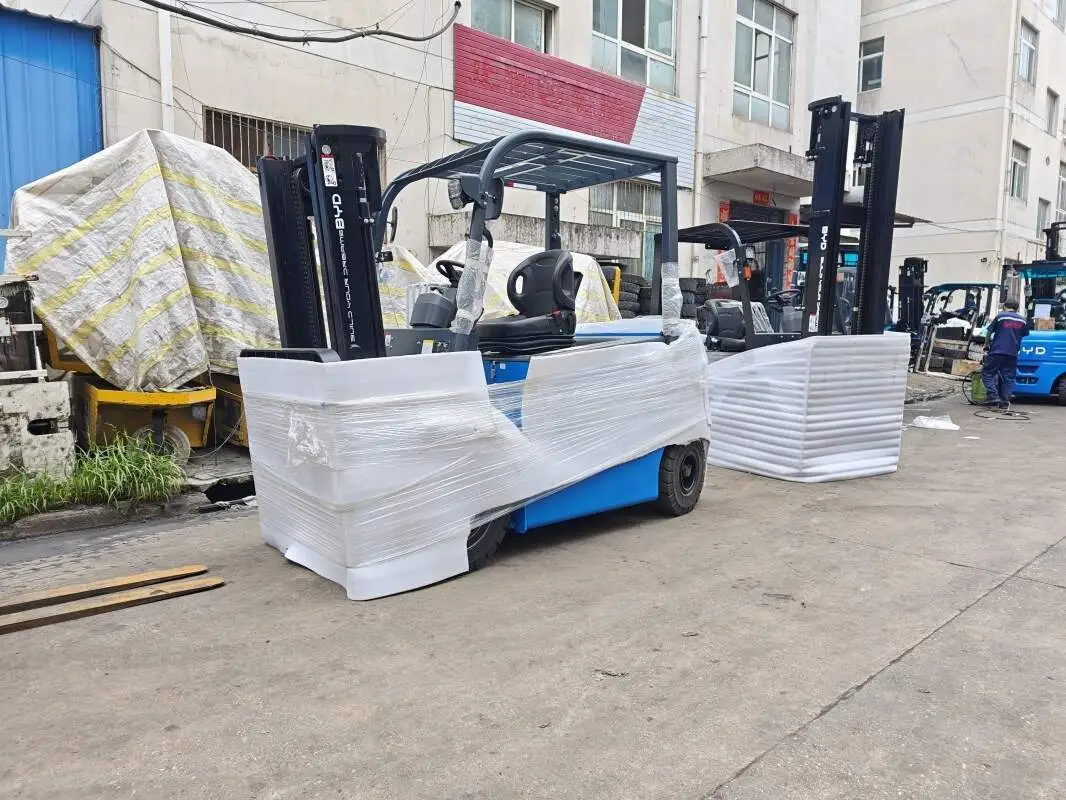
When investing in a used forklift, balancing upfront cost with long-term reliability requires a systematic inspection of key components that directly impact both price and performance. Cutting corners on assessment can lead to unexpected repair costs and operational downtime, making targeted checks essential for informed decision-making.
Start with the engine and powertrain, the core of the forklift’s functionality. Begin with a cold start test to evaluate how smoothly the engine ignites; delayed starts or rough idling may signal underlying issues. Listen closely for unusual knocks, rattles or whistles during idle and acceleration—these sounds can indicate worn bearings, faulty valves or damaged belts. Check for leaks of oil, fuel or coolant around the engine block and hoses; even minor leaks can escalate into major repairs over time. Examine the exhaust for excessive smoke: black smoke often points to fuel system inefficiencies, while blue smoke may indicate oil burning, both of which reduce the forklift’s value and increase long-term operating costs.
Next, prioritize the hydraulic system, as it powers critical functions like lifting and tilting. Operate the forklift through a full cycle of lifting, lowering and tilting the forks to assess fluidity. Look for jerky movements or slow response, which could mean clogged filters, worn pumps or air in the lines. Inspect all hydraulic hoses and connections for cracks, bulges or leaks; hydraulic fluid leaks not only reduce performance but also pose safety hazards. Check the hydraulic fluid level and condition—dirty or discolored fluid suggests inadequate maintenance, which can accelerate component wear and justify a lower price point.
Tires and undercarriage are often overlooked but play a vital role in safety and operational efficiency. Inspect tire tread depth and look for uneven wear, which may indicate misalignment or suspension issues. Cracks, punctures or bulges in the tires require immediate replacement, adding to the total cost of ownership. Examine the undercarriage for corrosion, bent components or loose fasteners; rust can weaken structural integrity, especially in forklifts used in outdoor or humid environments. Pay attention to the condition of the mast rails and chains—worn chains or misaligned rails can compromise lifting capacity and safety.
Safety features are non-negotiable, as they ensure compliance with workplace regulations and protect operators. Verify that all safety components are functional: test the brakes (both service and parking brakes) for responsiveness, check that seatbelts latch securely and inspect warning lights, horns and mirrors for proper operation. Ensure the forklift has a functional overhead guard and load backrest, as these are critical for protecting the operator from falling loads. Missing or faulty safety features not only require costly repairs but also may make the forklift unfit for use, significantly reducing its market value.
Finally, assess the overall structural integrity and exterior condition. Inspect the forklift’s frame for cracks, dents or signs of impact damage, as structural weaknesses can lead to catastrophic failure. Check the condition of the forks—worn or bent forks reduce load-carrying capacity and pose safety risks. Look for signs of neglect, such as accumulated dirt, rust or faded paint, which may indicate poor maintenance practices. A well-maintained forklift, even with moderate wear, is likely to offer better reliability and retain more value than one with visible signs of neglect.
By focusing on these key inspection areas, buyers can accurately assess a used forklift’s true value, negotiate fair prices and avoid costly surprises. Each component check provides insight into the forklift’s past usage and future performance, enabling a balanced decision that aligns with operational needs and budget constraints.