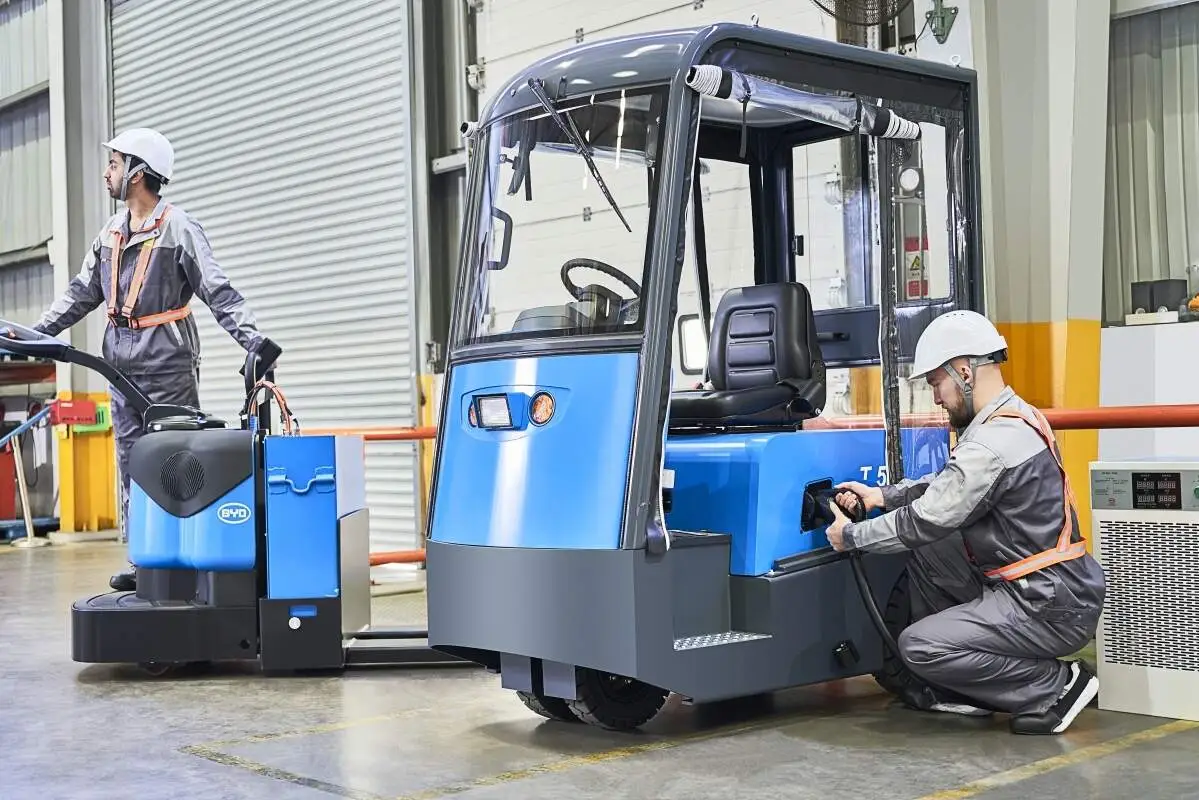
forklift man baskets are essential tools for aerial work in industrial and construction environments, yet improper preparation can lead to serious safety hazards. To mitigate risks and align with existing site regulations, a strict pre-use inspection checklist is mandatory. This guide outlines critical steps to ensure equipment safety and regulatory compliance.
First, conduct a structural integrity assessment. Examine the basket’s frame, floor, and guardrails for visible damage such as cracks, dents, or bent components. Site regulations typically prohibit using baskets with structural compromises, as these can fail under worker load. Pay close attention to welds—check for cracking or incomplete fusion, which are common failure points. Ensure the basket floor is free of holes or excessive wear that could undermine worker stability.
Next, verify connection and attachment components. Inspect mounting brackets, pins, and locking devices to confirm they are intact and securely fastened. Cross-reference the basket’s load capacity with the forklift’s lifting capabilities, as site regulations often require matching ratings. Check for rust or corrosion on connection parts, which weakens structural strength over time. Ensure attachment points align correctly with the forklift carriage, and all locking mechanisms engage fully without resistance.
Then, confirm the functionality of safety devices. Inspect fall protection anchor points—they must be sturdy and positioned to allow secure harness attachment, with up-to-date testing documentation as required by many site regulations. Check the basket’s access gate; it should close and latch automatically to prevent accidental falls. Ensure emergency release mechanisms are functional and accessible, enabling quick detachment if necessary.
Conduct an operational functionality test before worker entry. Lift the basket a few feet off the ground and check for abnormal swaying or tilting beyond acceptable limits. Verify smooth response from forklift controls when adjusting the basket’s position. Some site regulations mandate testing under simulated load, so add a weight equivalent to a worker’s mass to assess stability. Listen for unusual grinding or squeaking noises, which may indicate unresolved mechanical issues.
Finally, document all inspection steps and confirm compliance. Record any defects and corrective actions taken—regulatory bodies often require this documentation to demonstrate due diligence. Ensure all operators using the basket are trained and certified per site standards, as untrained personnel elevate safety risks. Review site-specific regulations to align checklist items with local or industry requirements, which may vary by location.
By following this pre-use checklist, organizations can ensure forklift man baskets are safe, compliant, and ready for use. Regular inspections reduce accident risks and maintain regulatory adherence, protecting workers and businesses from potential liabilities.