Published forklift class ratings serve as a standardized framework to guide businesses in selecting the right equipment for their material handling needs. These ratings, developed by industry authorities, categorize forklifts based on power source, design, and intended use, ensuring users can align their operational requirements with the most suitable machine.
Forklift classes are defined to distinguish equipment capabilities across diverse work environments. Class I forklifts, electric counterbalance models, are designed for indoor use with smooth surfaces, ideal for lifting medium to heavy loads in warehouses or distribution centers where emissions must be minimized. Class II, electric narrow-aisle forklifts, excel in tight spaces, such as high-rack storage facilities, offering precise maneuverability to maximize vertical storage utilization.
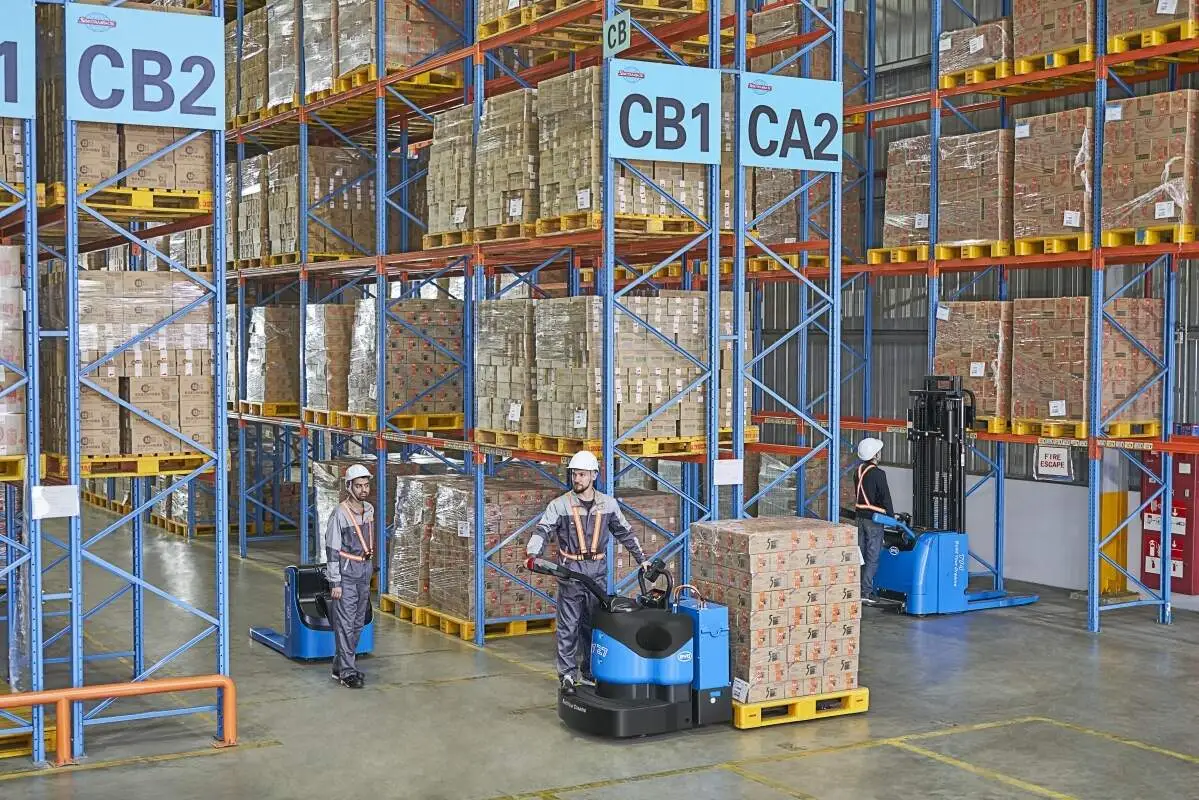
Class III includes electric pedestrian-operated forklifts, such as pallet jacks and stackers, which are perfect for light-load, short-distance tasks like order picking or loading/unloading small shipments. Class IV and V forklifts, powered by internal combustion engines (gas, diesel, or LP gas), are built for outdoor applications with rough terrain, handling heavy loads in construction sites or lumber yards where durability and high lifting capacity are priorities.
To match applications effectively, start by assessing core operational factors. First, evaluate load requirements: determine the maximum weight and height needed for lifting, as class ratings specify load capacities and lift ranges. Next, analyze the work environment: indoor spaces may demand electric models to avoid air pollution, while outdoor terrain requires robust, weather-resistant forklifts with traction control.
Space constraints are another critical factor. Narrow aisles call for Class II forklifts with compact designs, while open warehouses can accommodate Class I models. Additionally, consider task duration: long-shift operations may benefit from forklifts with extended battery life (for electric classes) or fuel efficiency (for combustion classes).
Aligning applications with published class ratings delivers multiple advantages. It enhances operational efficiency by ensuring the forklift can perform tasks without overexertion, reducing downtime and increasing productivity. Safety is also improved, as using equipment suited to the environment minimizes risks like tip-overs or collisions. Moreover, it optimizes cost-effectiveness, as selecting the right class avoids unnecessary expenses on over-capacitated machines or frequent repairs due to improper use.
By leveraging published forklift class ratings, businesses can make informed decisions that align their material handling operations with the most suitable equipment. Taking the time to evaluate task requirements, environment, and load capacities against these standardized ratings ensures long-term efficiency, safety, and cost savings.