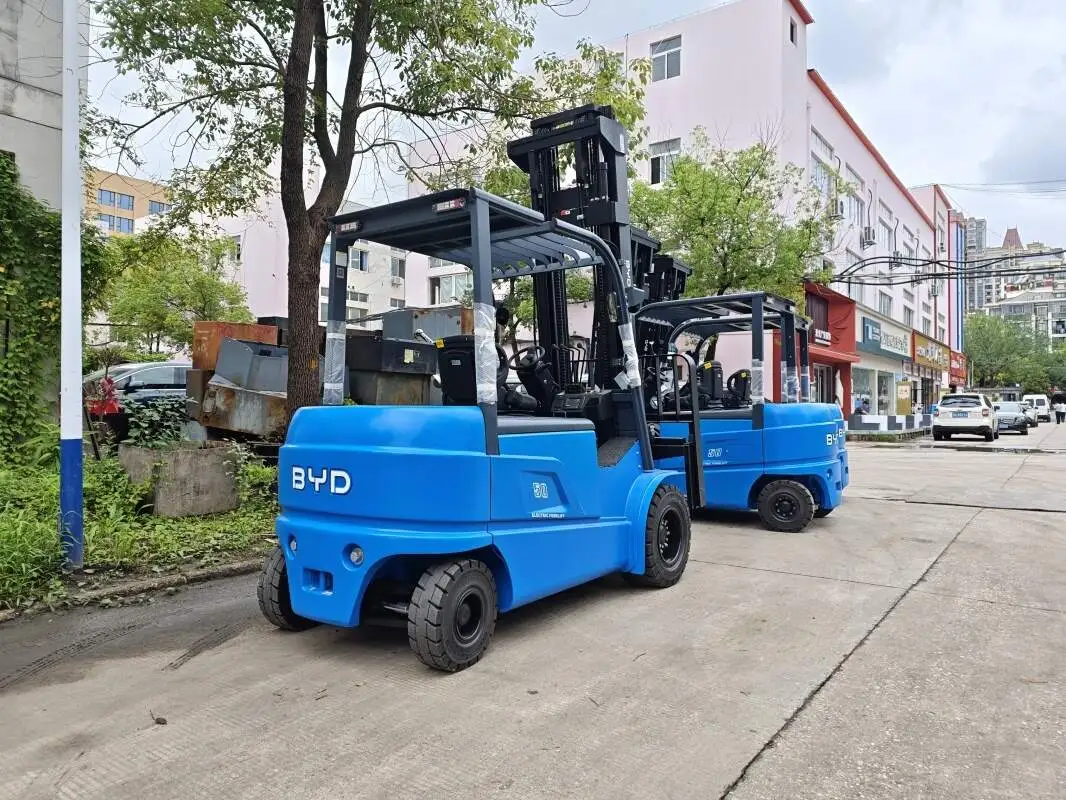
Purchasing a used 15000-lb heavy-duty forklift offers a cost-effective way to handle heavy industrial loads, but thorough pre-purchase inspections are vital to avoid unexpected repairs and safety risks. A systematic check of key components ensures you invest in a reliable machine tailored to your operational needs.
Begin with exterior and structural checks. Inspect the main frame for cracks, warping, or excessive rust—these flaws can weaken load-bearing capacity. Examine forks for uneven wear, bending, or cracks, measuring thickness to confirm compliance with safety standards. Check tires for deep cuts, uneven tread, and proper inflation; damaged tires compromise stability during lifts. Also, look for leaks or damage in wheel hubs and axle components.
Next, assess the powertrain. Start the engine and listen for unusual knocks or rattles. Note exhaust color: blue smoke may signal oil consumption issues, while black smoke points to fuel system problems. Test transmission shifting for smooth operation without grinding or delays. Evaluate brakes by testing stopping power on flat and inclined surfaces; ensure pedals respond promptly with no excessive fluid leakage.
Evaluate the hydraulic system, critical for heavy lifting. Check hydraulic oil level and quality—dirty or low oil causes malfunctions. Inspect hoses, fittings, and cylinders for leaks, as small leaks reduce performance over time. Test fork lift and tilt functions for smooth, consistent movement without jerks. Listen for unusual whines from the hydraulic pump, a sign of impending failure.
Verify safety components. Inspect seatbelts for fraying or damage, ensuring secure latching. Confirm headlights, turn signals, and brake lights function properly for visibility. Test backup alarms and load warning buzzers to ensure they activate correctly. Ensure the cabin has clear visibility and that fire suppression equipment is present and functional.
Finally, conduct a full operational test. Load the forklift to its 15000-lb capacity and perform routine tasks: lifting, tilting, and maneuvering in tight spaces. Observe handling under load—watch for excessive vibration, steering delays, or speed issues. Monitor engine and hydraulic system temperatures during extended operation to ensure normal ranges.
A comprehensive inspection helps identify issues and gives negotiating leverage. Whenever possible, use a certified forklift technician for detailed evaluation to make an informed investment decision.