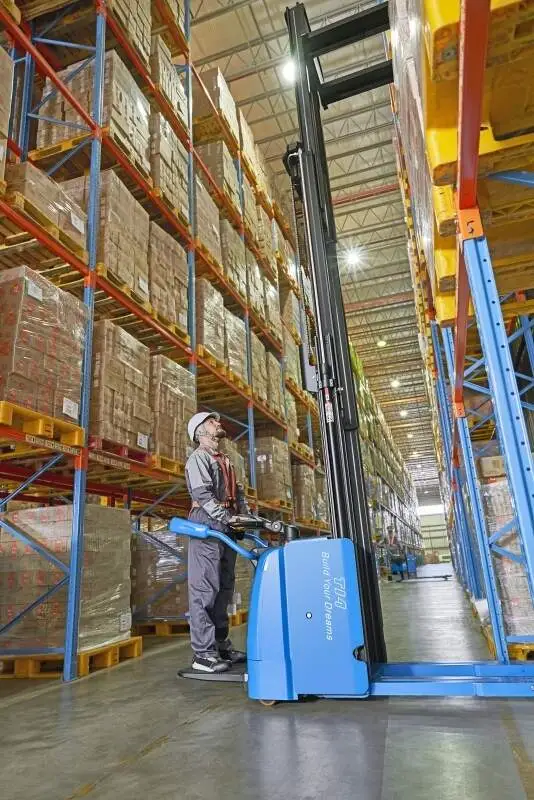
5000-pound forklifts are a versatile workhorse for mid-size material handling operations, balancing sufficient lifting capacity with maneuverability to suit warehouses, manufacturing floors and distribution centers. Proper operation of these forklifts is critical to boosting productivity while minimizing workplace risks.
Pre-Operation Inspection
Before initiating any task, conduct a thorough pre-operation check to ensure the forklift is safe to use. Start with a visual assessment of the exterior: inspect the mast for cracks, forks for bending or wear, and the body for signs of fluid leaks. Check tire pressure and tread condition, as underinflated or damaged tires can compromise stability during lifting and travel. Test core safety systems, including brakes, horn and lighting, to confirm they function correctly—these are vital for communicating with co-workers and navigating busy environments. Finally, verify hydraulic fluid levels and test the lifting mechanism to ensure it operates smoothly without unusual noises.
Safe Loading & Unloading Procedures
When handling loads, approach pallets slowly and align forks with the pallet openings, ensuring forks extend fully beneath the load to distribute weight evenly. Never exceed the 5000-pound capacity limit, as overloading increases the risk of tip-overs. Lift the load just 4 to 6 inches off the ground to maintain stability, and tilt the mast backward slightly to secure the load during travel. For unloading, position the forklift at a safe distance from storage racks or delivery areas, lower the load gently, and confirm it is stable before retracting the forks. Never leave a raised load unattended, even for short durations.
Traveling Safety Protocols
While moving through the workplace, keep the load close to the ground to preserve balance. Adhere to designated speed limits—typically 5 mph or slower in congested zones—and stay alert for pedestrians, obstacles and other equipment. Use the horn to signal your presence when turning or approaching blind spots. Avoid sharp turns on uneven surfaces, as this can shift the load and cause instability. When traveling downhill, engage the parking brake to prevent momentum buildup, and travel backward with large loads to maintain clear visibility of the path ahead.
Post-Operation Maintenance
After completing tasks, park the forklift in a designated area, lower forks to the ground, and turn off the ignition. Conduct a quick post-operation check for damage or leaks that may have occurred during use. Clean forks and the mast to remove debris, which can prevent premature wear on moving parts. Follow the recommended maintenance schedule for regular servicing, including oil changes, filter replacements and brake inspections. Consistent maintenance extends the forklift’s lifespan and ensures reliable performance for mid-size handling tasks over time.
By following these operational guidelines, operators can maximize the efficiency of 5000-pound forklifts while upholding strict safety standards. Regular training, pre-operation checks and proactive maintenance are key to creating a safe and productive work environment for mid-size material handling operations.