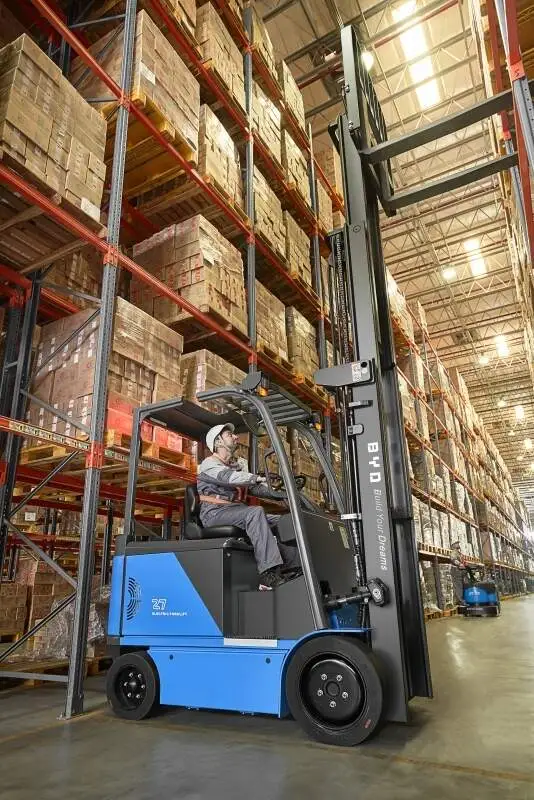
When faced with the need to move pallets but lacking access to a forklift or heavy-duty equipment, it’s possible to rely on practical, low-tech approaches that prioritize safety and efficiency. These methods are ideal for small-scale operations, warehouse maintenance tasks, or emergency situations where tools are limited.
One of the most accessible techniques is manual prying and sliding. Start by assessing the pallet’s weight to ensure it’s manageable without mechanical assistance. Use a sturdy crowbar to gently lift one edge of the pallet, then slide a thin, rigid material like a metal sheet or thick plywood under the lifted side. Repeat this process on all four corners, creating a slippery base that reduces friction. Once the pallet is supported, apply steady, even force to push or pull it along the ground. It’s important to keep your back straight and use leg strength to avoid strain, and work with a partner if the pallet is particularly heavy.
Another effective approach is using a hand truck, even if it’s not designed specifically for pallets. To adapt a standard hand truck, position its forks beneath the pallet’s lower deck boards, ensuring a secure fit. If the hand truck’s forks are too short, add extenders made from durable metal pipes or reinforced wood. Secure the pallet to the hand truck using sturdy straps to prevent shifting during movement. This method works best for pallets with evenly distributed weight, as uneven loads can cause instability.
Team-based lifting is a reliable option when multiple people are available. Before lifting, coordinate a clear signal system to ensure everyone moves in sync. Each person should grip the pallet’s edges firmly, keeping their hands positioned at waist height to maintain balance. Bend at the knees, not the waist, to lift with leg muscles, and move slowly and steadily toward the desired location. Avoid sudden jerks or turns, and communicate any discomfort or balance issues immediately to the team.
For pallets that need to be moved over short distances, using pallet skids can simplify the process. Skids are flat, lightweight platforms that slide easily across smooth surfaces. Place two or more skids parallel to each other under the pallet’s deck, then push the pallet onto the skids. Once positioned, the pallet can be pulled or pushed across the skids with minimal effort. This method is particularly useful on concrete or asphalt floors, where friction is low.
No matter which method you choose, safety should be the top priority. Always inspect the pallet for damage before moving it, as broken boards or loose nails can cause injury. Wear appropriate personal protective equipment, including work gloves and steel-toe boots, to protect your hands and feet from sharp edges or heavy impacts. Additionally, avoid moving pallets that exceed your physical capacity, and seek assistance if needed.