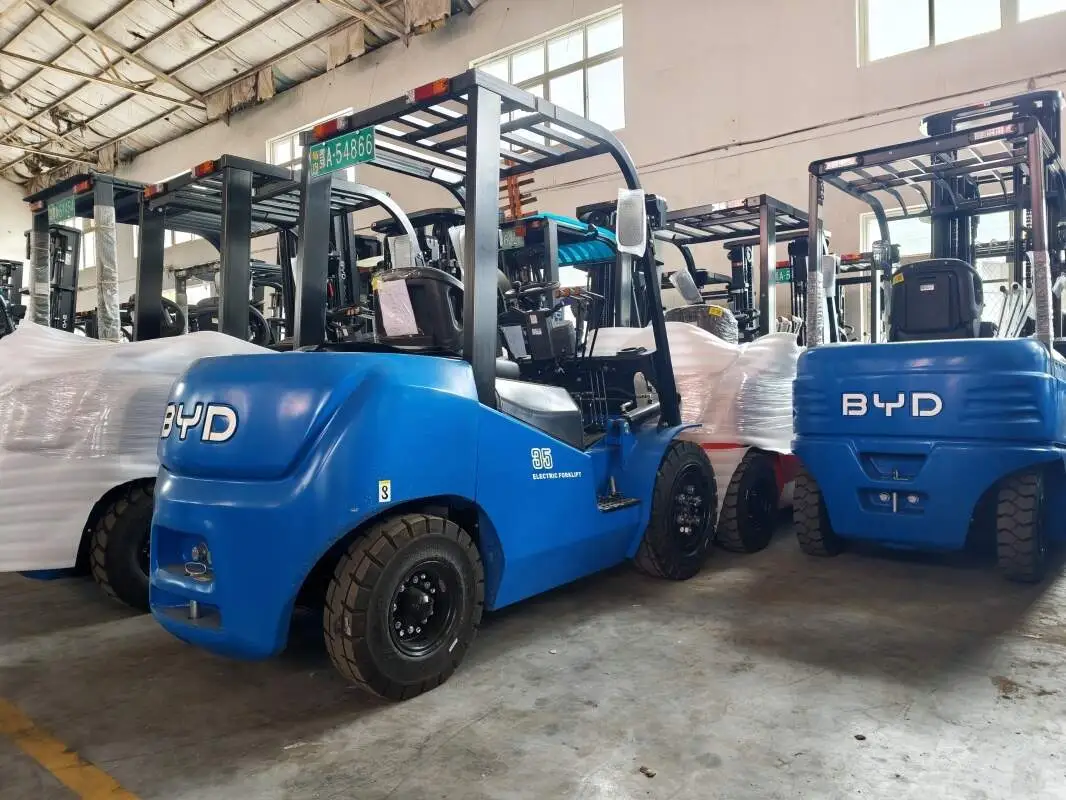
When managing on-site equipment transport, a used forklift trailer can be a cost-effective solution that meets your material handling needs without straining your budget. However, purchasing a pre-owned unit requires careful consideration to ensure reliability, safety, and long-term value. This guidance walks you through key steps to make an informed decision tailored to your on-site operations.
Start by defining your specific on-site transport requirements. First, determine the maximum load capacity you need—consider the heaviest equipment you’ll move regularly, as overloading a trailer can lead to structural damage and safety hazards. Next, evaluate your on-site layout: narrow pathways, uneven terrain, or tight turning spaces may require a trailer with a smaller turning radius or enhanced maneuverability. Additionally, factor in how frequently you’ll use the trailer; high-frequency operations demand a unit with robust components to withstand repeated use.
A detailed pre-purchase inspection is critical to identifying hidden issues. Begin with the trailer frame: check for signs of rust, cracks, or bent sections, as structural damage can compromise safety and durability. Inspect the suspension system, including leaf springs and shock absorbers, for wear or damage that could affect stability during transport. Examine the brakes thoroughly—test their responsiveness and look for worn brake pads or fluid leaks. Don’t overlook the tires: check tread depth, sidewall damage, and proper inflation, as faulty tires increase the risk of accidents on-site. Finally, inspect the hydraulic lifting mechanism (if applicable) for leaks, slow operation, or unusual noises, ensuring it functions smoothly to load and unload equipment.
Request detailed maintenance records from the seller to understand how the trailer was cared for. Regular oil changes, brake inspections, and frame touch-ups indicate responsible ownership and can extend the trailer’s lifespan. Ask about the trailer’s previous usage: was it used for light, occasional transport or heavy, daily operations? Units subjected to consistent heavy loads may have accelerated wear on key components. Also, inquire about any past accidents or repairs, as these could signal underlying issues that may resurface later.
While the upfront price of a used forklift trailer is likely lower than a new one, consider the total cost of ownership. Calculate potential maintenance and repair costs based on your inspection findings and usage history. Compare the price to similar units on the market to ensure you’re getting a fair deal. Additionally, assess the trailer’s resale value—well-maintained units with popular specifications tend to retain value better, making them a smarter long-term investment.
Before finalizing your purchase, confirm the trailer meets local safety regulations and industry standards. Check that it has all required safety features, such as reflective markers, functional lights, and secure tie-down points. Some regions may require certification or inspection labels to operate the trailer on-site. Ensuring compliance not only protects your team from accidents but also avoids potential fines or operational disruptions.
By following these steps, you can select a used forklift trailer that aligns with your on-site equipment transport needs, balances cost and reliability, and keeps your operations safe and efficient. Taking the time to research, inspect, and evaluate each unit will help you avoid costly mistakes and make a purchase that supports your business’s long-term goals.