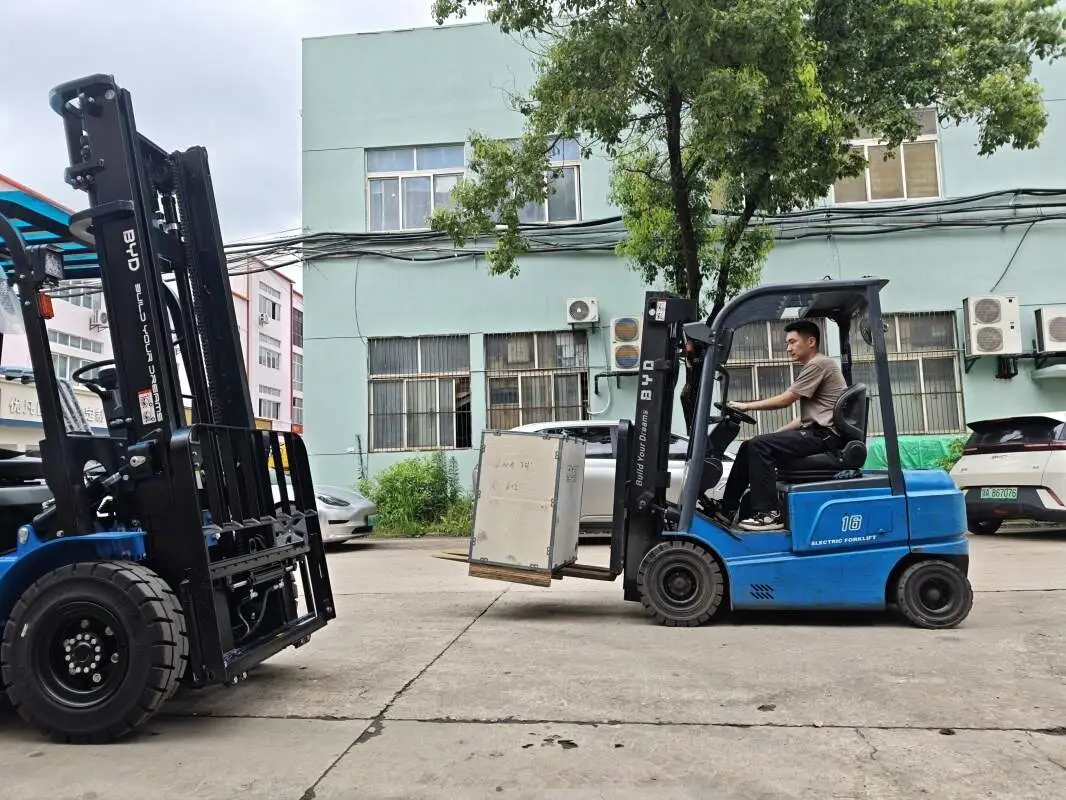
forklift counterweights play a critical role in maintaining stability and preventing tip-over incidents, making compliance with regulatory standards a non-negotiable aspect of warehouse and industrial operations. Ensuring counterweight compliance requires systematic inspection methods that address both structural integrity and functional performance. Below are essential inspection techniques to verify forklift counterweight adherence to safety regulations.
Visual inspection serves as the foundational step in counterweight compliance checks. Inspectors should conduct a detailed walkaround of the forklift, focusing on the counterweight’s physical condition. Look for signs of cracks, dents, or corrosion, as these can weaken the structure and reduce its load-bearing capacity. Pay special attention to the attachment points where the counterweight connects to the chassis; ensure all bolts and fasteners are properly tightened and free from rust or wear. Unauthorized modifications to the counterweight, such as cutting off sections or adding extra materials, must be flagged immediately, as they can disrupt the forklift’s balance and violate regulatory requirements. This visual check should be performed at the start of each shift to identify immediate safety risks.
Load testing is a critical method to validate the counterweight’s ability to support the forklift’s rated load safely. During this test, the forklift is loaded to its maximum recommended capacity, operated through standard maneuvers including lifting to full height and turning, while inspectors monitor for any signs of instability, such as excessive forward tilting or difficulty controlling the vehicle. Load testing must be conducted in line with regional regulatory guidelines, specifying load weights, test conditions, and frequency. Periodic load testing helps detect gradual wear and tear that may not be visible during visual inspections, ensuring the counterweight continues to meet compliance standards over time.
Documentation review is another key component of counterweight compliance. Inspectors should review maintenance logs, previous inspection reports, and certification documents to confirm the counterweight has been serviced and inspected according to required schedules. Records should include details of any repairs, replacements, or modifications, along with verification that these changes were approved by qualified technicians. Accurate documentation not only demonstrates compliance during regulatory audits but also helps track the counterweight’s lifespan and identify patterns of wear that may require proactive maintenance.
For a more in-depth assessment, non-destructive testing (NDT) techniques can be employed to detect internal defects that are invisible to the naked eye. Methods like ultrasonic testing or magnetic particle inspection can identify hidden cracks, stress fractures, or corrosion within the counterweight material. NDT is particularly valuable for older forklifts or those operating in harsh environments with exposure to moisture, chemicals, or heavy vibration. These tests should be carried out by certified professionals to ensure accuracy, helping to prevent potential failures that could lead to accidents or non-compliance.
In conclusion, maintaining forklift counterweight compliance requires a holistic approach combining regular visual inspections, periodic load testing, thorough documentation reviews, and targeted non-destructive testing. By implementing these methods, operations can ensure their forklifts adhere to safety regulations, minimize the risk of tip-over incidents, and protect both personnel and valuable assets. Consistent adherence to these inspection practices is essential for creating a safe, efficient, and compliant work environment.