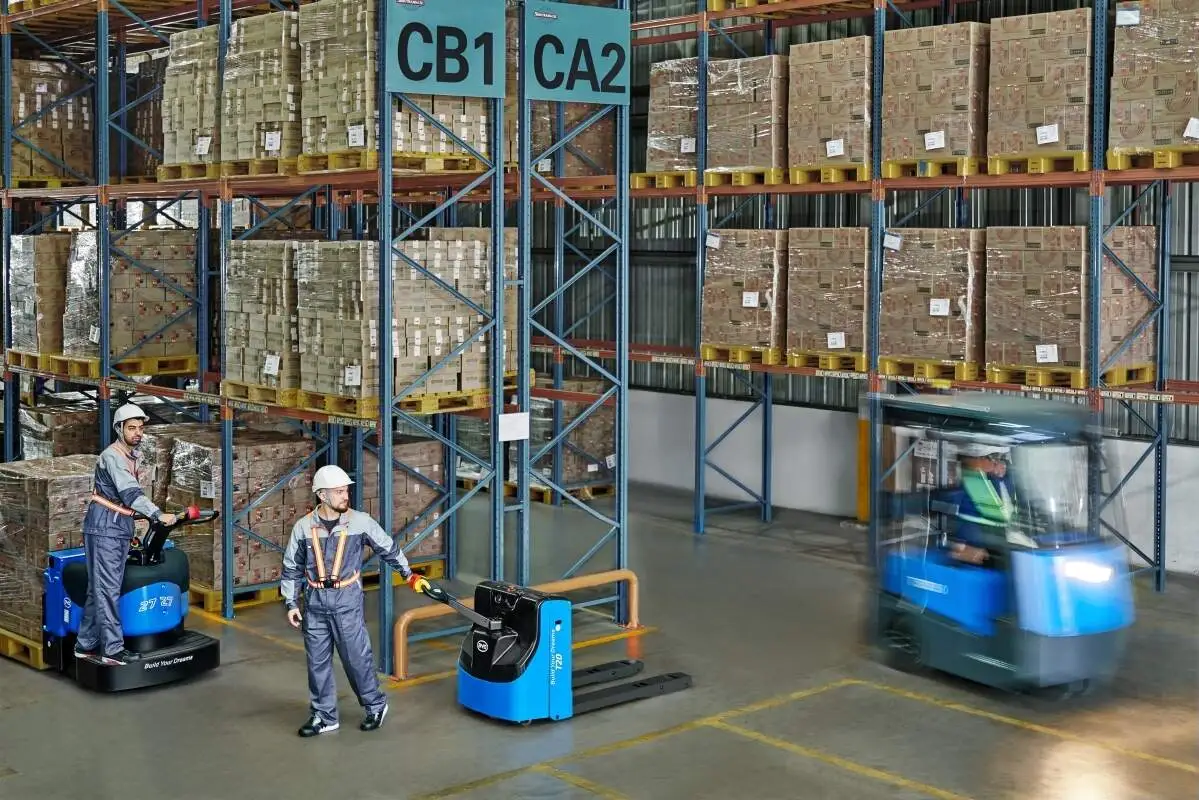
electric forklifts are indispensable workhorses in warehouses, distribution centers and industrial facilities, handling heavy loads with efficiency and precision. To maximize their operational value and stretch their service lifespan, implementing a structured, proactive maintenance cycle is non-negotiable. This approach minimizes unexpected breakdowns, cuts long-term operational costs and ensures consistent, safe performance.
Daily Maintenance Cycle
Start each shift with a quick but thorough pre-operation inspection to catch minor issues before they escalate. Begin by checking the battery: verify charge levels, inspect terminals for corrosion and ensure cables are tightly secured to prevent power loss. Next, examine the tires for proper inflation, cuts, or excessive tread wear—uneven pressure strains the chassis and compromises stability. Inspect the hydraulic system for fluid leaks, test brake and steering responsiveness, and confirm all safety lights, horns, and alarms are fully functional. This 10-15 minute check ensures the forklift is safe to operate and avoids small problems turning into costly repairs.
Monthly Maintenance Cycle
On a monthly basis, dive deeper into critical components. Clean the battery compartment to remove dust and debris that can cause overheating, and retighten any loose connections. Check hydraulic fluid levels and quality; top up or replace the fluid if it appears cloudy or contaminated to maintain smooth lifting operations. Inspect mast chains for proper tension and wear, then lubricate them to reduce friction and extend their life. Conduct a small load test to verify the forklift can handle its rated capacity without straining, and inspect safety features like seat belts and rollover protection systems to ensure compliance with workplace standards.
Quarterly & Semi-Annual Maintenance Cycles
Every three to six months, perform comprehensive checks to address hidden issues. Inspect the electric motor and drive system for unusual noise or wear, which could signal impending mechanical failure. Drain and replace hydraulic fluid if it shows signs of contamination, as dirty fluid can damage seals and valves over time. Check brake pads and rotors for thickness, replacing them if they fall below recommended limits. Clean the cooling system’s radiators and check coolant levels (if applicable) to keep the battery and motor at optimal temperatures, preventing overheating and premature component wear.
Annual Maintenance Cycle
An annual professional inspection is a cornerstone of long-term forklift longevity. Certified technicians will conduct a full diagnostic check of the electrical system, motor, hydraulic components, and structural frame. They’ll calibrate controls for accurate operation, inspect the frame for cracks or structural damage, and replace worn parts that could lead to major breakdowns. This annual service ensures the forklift meets all regulatory safety requirements and provides a clear overview of its health, helping to extend its service life by several years.
By adhering to these structured maintenance cycles, businesses can keep their electric forklifts running reliably for longer. Proactive maintenance not only reduces downtime and repair costs but also enhances workplace safety. Consistency is key—sticking to these schedules ensures small issues are addressed promptly, protecting your investment and maximizing the forklift’s operational lifespan.