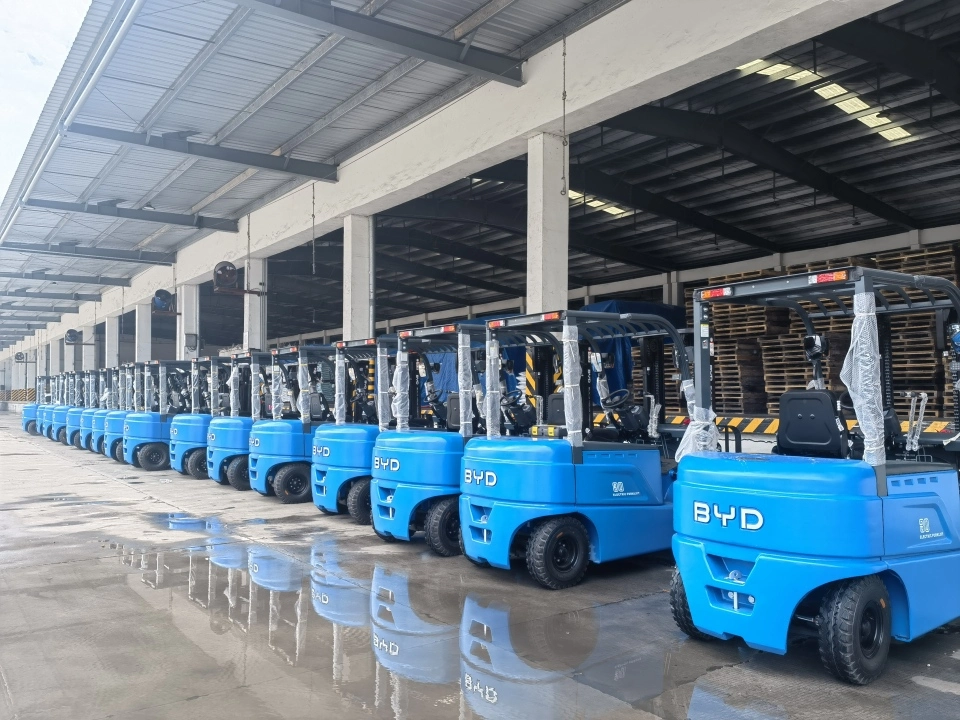
electric forklifts are indispensable workhorses in warehouses, distribution centers, and manufacturing facilities, and their reliable operation hinges on efficient, consistent charging systems. At the heart of many modern forklift charging setups are pogo stick connection components—specialized spring-loaded assemblies that facilitate secure electrical transfer between the charger and the forklift’s battery pack. Unlike traditional plug-and-socket connectors, these components are engineered to withstand the rigorous demands of industrial environments, making them a preferred choice for high-frequency charging cycles.
A typical pogo stick connection system consists of four key elements, each playing a critical role in ensuring stable power transfer. First, the pogo pins themselves are spring-loaded conductive pins, usually made of corrosion-resistant metals like brass or copper alloy. Their spring mechanism allows them to maintain firm contact with the forklift’s contact plates even when there are minor misalignments or vibrations during the charging process. Second, the housing serves as a protective enclosure for the pins, constructed from durable, insulating materials such as reinforced plastic or die-cast metal. This housing shields the internal components from dust, moisture, and physical impact, reducing the risk of electrical shorts or component damage. Third, mounting hardware includes bolts, screws, or clips that secure the pogo stick assembly to either the charger unit or the forklift’s charging port, ensuring it stays in place during repeated use. Finally, the contact plates on the forklift side are flat, conductive surfaces designed to align with the pogo pins, creating a complete electrical circuit when the charger is engaged.
The primary function of pogo stick connection components is to establish and maintain a reliable electrical link between the charger and the forklift’s battery. Their spring-loaded design addresses a common challenge in industrial charging: minor misalignments between the charger and the forklift. Instead of requiring precise alignment, the pogo pins can adjust to slight positional differences, ensuring consistent power flow without interruption. Additionally, these components are built to resist wear from repeated plug-in and unplug cycles, a common occurrence in facilities where forklifts are charged multiple times daily. This durability reduces the need for frequent replacements, helping to lower long-term maintenance costs. Another critical function is heat dissipation—many pogo stick assemblies are designed with materials that conduct heat away from the connection point, preventing overheating that could damage the battery or charger components.
For industrial facilities, minimizing downtime is a top priority, and pogo stick connection components contribute directly to this goal. By providing a reliable charging connection, they ensure that forklifts are ready for use when needed, reducing delays in material handling and order fulfillment. Their robust design also makes them suitable for harsh environments, where dust, moisture, and heavy usage can degrade traditional connectors. In addition, the secure connection they provide enhances safety by reducing the risk of loose connections that could cause sparks or electrical hazards. For businesses relying on electric forklifts, investing in high-quality pogo stick connection components can lead to more efficient operations, lower maintenance expenses, and extended battery lifespan.
To maximize the lifespan and performance of pogo stick connection components, regular maintenance is essential. Operators should clean the pogo pins and contact plates regularly using a soft, dry cloth to remove dust, dirt, or corrosion that could interfere with electrical contact. Avoid using harsh chemicals, as these can damage the conductive surfaces. Inspect the assembly periodically for signs of wear, such as bent pins, cracked housing, or loose mounting hardware; any damaged components should be replaced promptly. When connecting the charger to the forklift, apply gentle, even pressure to avoid forcing the pins, which can bend or break them. Finally, store chargers in a clean, dry area when not in use to protect the pogo stick components from environmental damage.