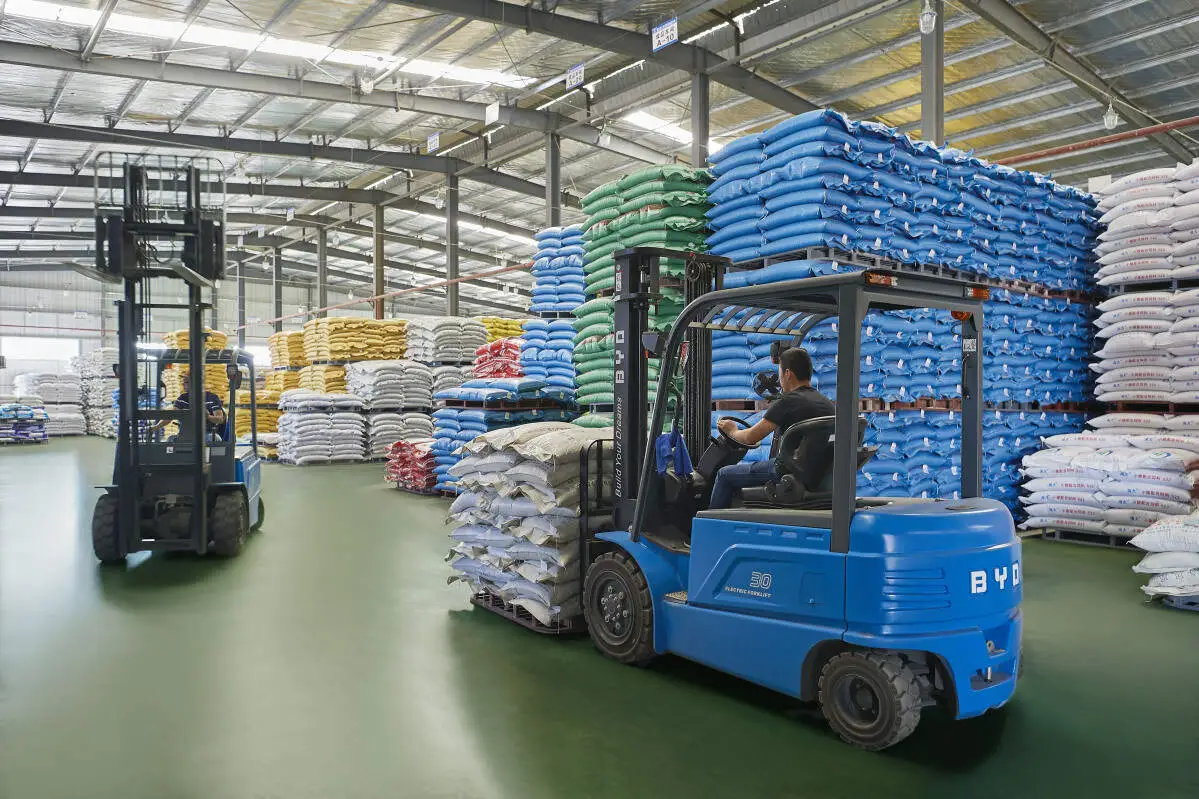
In modern warehouse and logistics operations, irregular-shaped pallets are becoming increasingly common, presenting unique challenges for material handling teams. Unlike standard uniform pallets, these non-conventional units come in varied widths, lengths, and structural designs, making them difficult to handle with improperly adjusted forklift forks. Misaligned fork spacing can lead to pallet instability, load damage, and increased risk of workplace accidents, underscoring the need for precise forklift fork spread calibration.
Forklift fork spread calibration refers to the process of adjusting the distance between a forklift’s two forks to match the specific dimensions of an irregular-shaped pallet. This alignment ensures that the forks make full contact with the pallet’s support beams, distributing the load evenly across the forklift’s lifting mechanism. Without proper calibration, forks may only partially engage with the pallet, causing it to shift or tip during transport—especially when carrying heavy or fragile goods.
To effectively calibrate fork spread for irregular-shaped pallets, follow these structured steps. First, ensure the electric forklift is parked on a flat, stable surface with the ignition turned off and the parking brake engaged for safety. Next, measure the inner distance between the pallet’s support beams using a tape measure; this measurement will serve as the target fork spacing. Depending on the forklift model, adjust the fork spread using either the integrated hydraulic control system (common in modern electric forklifts) or manual adjustment pins. Make small, incremental adjustments, rechecking the spacing with the tape measure until it matches the pallet’s dimensions exactly.
Once calibrated, test the alignment by carefully sliding the forks into the pallet’s beams and lifting the load a few inches off the ground. Observe for any signs of pallet shifting or uneven weight distribution; if issues arise, readjust the fork spacing and retest. Regular calibration is also critical, as frequent use can cause forks to shift out of alignment over time. Incorporate fork spread checks into routine forklift maintenance schedules to ensure consistent performance across all pallet types.
The benefits of proper fork spread calibration extend beyond immediate safety. By ensuring a secure fit with irregular-shaped pallets, operations can reduce instances of load damage, lowering replacement costs and improving inventory accuracy. Calibrated forks also enable smoother, more efficient material handling, as operators can maneuver loads with greater confidence and speed without worrying about pallet instability. Additionally, even load distribution reduces stress on the forklift’s lifting components, extending the equipment’s lifespan and minimizing maintenance downtime.
In conclusion, forklift fork spread calibration is a fundamental practice for safely and efficiently handling irregular-shaped pallets in warehouse environments. By taking the time to adjust fork spacing to match each pallet’s unique dimensions, teams can mitigate safety risks, protect valuable cargo, and optimize overall operational efficiency. As irregular-shaped pallets continue to grow in prevalence, prioritizing regular calibration will remain a key component of effective material handling strategies.