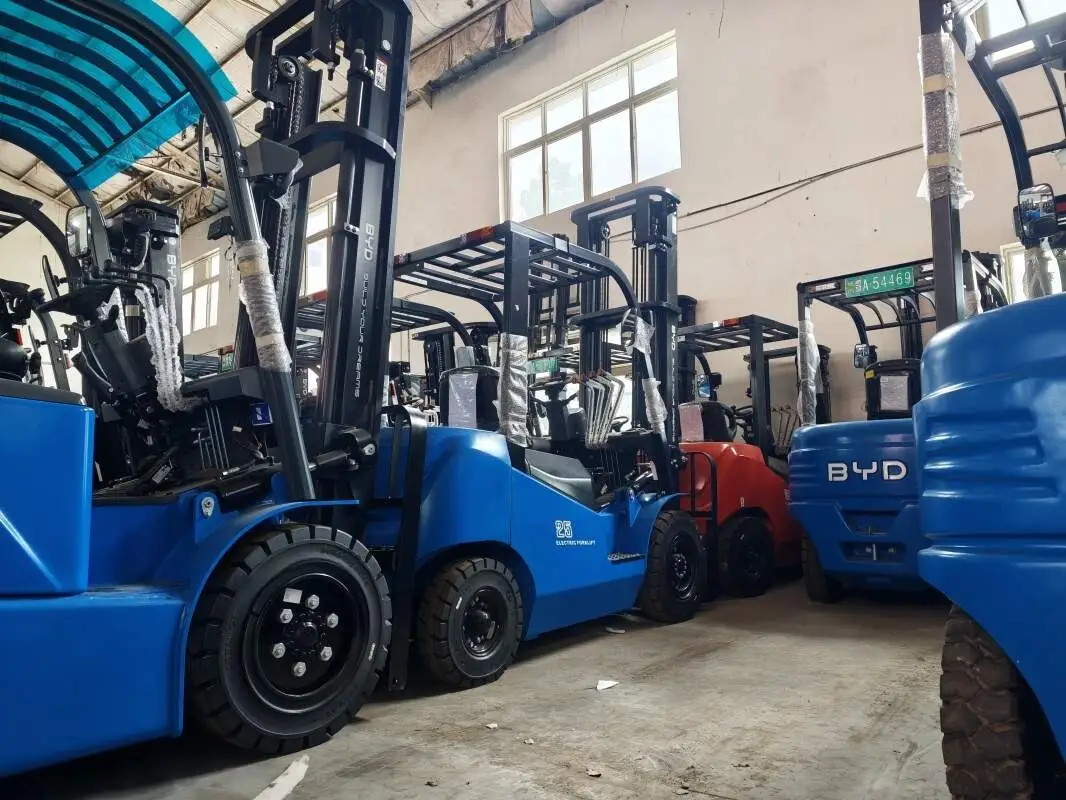
Omni-directional wheels forklifts offer exceptional maneuverability in tight spaces, making them invaluable in warehouses, manufacturing facilities, and logistics hubs. To keep these machines operating reliably and safely, a structured routine maintenance schedule for their key parts is essential. Neglecting upkeep can lead to premature wear, reduced performance, and increased safety risks. Below is a comprehensive, expert-backed maintenance schedule tailored to omni-directional wheels forklift components.
Daily Maintenance
Daily maintenance tasks focus on quick inspections to catch immediate issues before they escalate. Begin by visually checking the omni-directional wheels for signs of damage, such as cracked treads, loose bolts, or debris caught in the wheel assemblies. Remove any dirt, dust, or small debris that could interfere with wheel rotation. Next, inspect the hydraulic fluid level, ensuring it falls within the manufacturer’s recommended range; low fluid can hinder lift operations. Check brake pads and pedals for responsiveness, and verify that all lights and horn are functioning correctly to ensure operational safety.
Weekly Maintenance
Weekly maintenance involves deeper checks of critical components. Start by lubricating the omni-directional wheel bearings and pivot points using a high-quality lubricant suitable for heavy-duty equipment. This reduces friction and prevents premature wear of moving parts. Inspect the forklift’s tire pressure (for any pneumatic auxiliary tires) and adjust as needed, since uneven pressure can affect stability and maneuverability. Examine the hydraulic hoses and connections for leaks, cracks, or bulges; any damaged components should be repaired or replaced promptly to avoid hydraulic system failure. Additionally, clean the air filter to ensure proper engine ventilation, which supports efficient fuel combustion and extends engine life.
Monthly Maintenance
Monthly tasks target long-term component health. Conduct a thorough inspection of the omni-directional wheel assemblies, checking for excessive wear on the wheel rollers and ensuring all mounting hardware is tightened to specified torque values. Test the forklift’s lift and tilt functions, monitoring for any unusual noises or delays that could indicate hydraulic system issues. Inspect the battery terminals for corrosion, cleaning them with a wire brush if necessary, and ensure the battery is properly charged. Check the brake system’s hydraulic fluid level and replace worn brake pads to maintain stopping power.
Quarterly Maintenance
Quarterly maintenance is more comprehensive and addresses less frequently checked components. Drain and replace the hydraulic fluid, flushing the system to remove contaminants that can cause damage over time. Inspect the omni-directional wheel’s internal components, such as gears and seals, for signs of wear or damage; replace any parts that show significant deterioration. Test the forklift’s emergency stop function to ensure it engages immediately when activated. Additionally, inspect the frame and chassis for cracks or structural damage, as these can compromise the forklift’s integrity and safety.
Following this structured maintenance schedule not only extends the lifespan of omni-directional wheels forklift parts but also ensures consistent performance and reduces the risk of unexpected breakdowns. Always prioritize safety by performing maintenance with the forklift turned off and parked on a flat, stable surface. Keep detailed records of all maintenance tasks, including dates and any parts replaced, to track component health and plan future servicing. By investing time in routine upkeep, operators can maximize the reliability and safety of their omni-directional wheels forklifts for years to come.