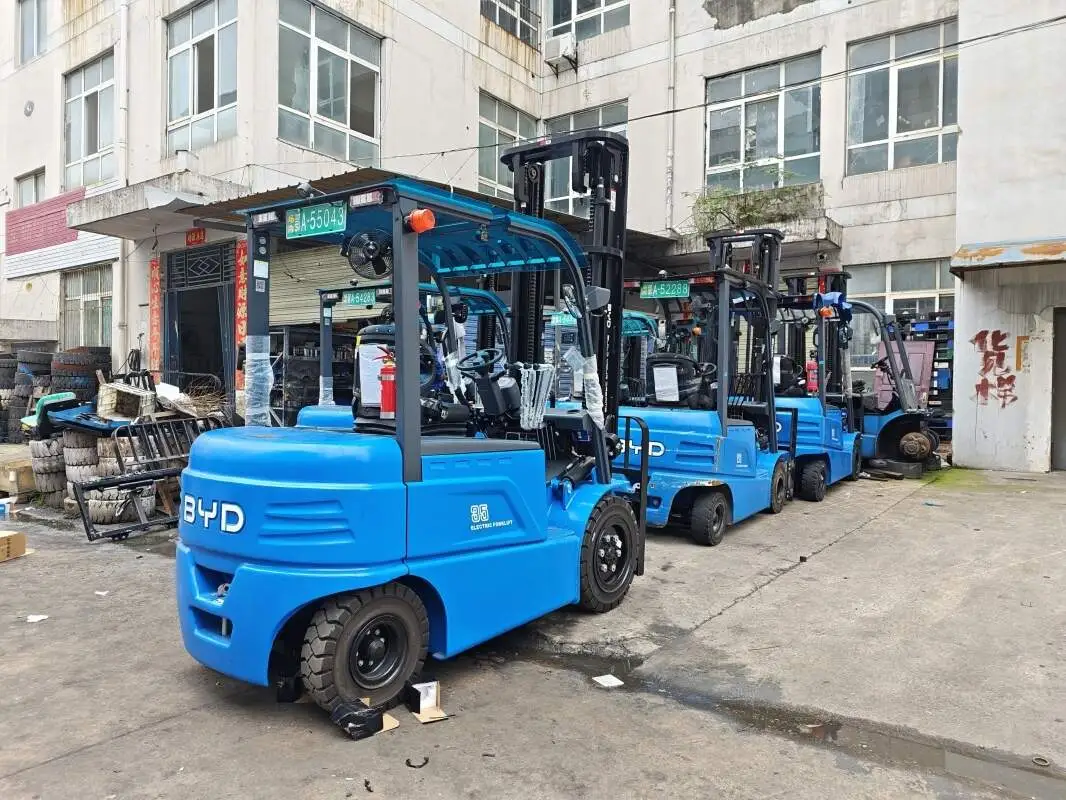
In today’s increasingly eco-conscious business landscape, warehouse operations are actively seeking sustainable material handling solutions to reduce their environmental footprint. Hydrogen-powered electric forklifts have emerged as a promising alternative to traditional fossil-fueled and battery-electric models, offering a range of benefits that align with green logistics goals.
Zero Emissions for a Cleaner Warehouse Environment
Hydrogen-powered electric forklifts operate using fuel cells that convert hydrogen into electricity, producing only water vapor as a byproduct. Unlike diesel or gasoline forklifts that emit harmful pollutants like carbon monoxide, nitrogen oxides, and particulate matter, these forklifts contribute to cleaner indoor and outdoor air quality. This is particularly crucial for enclosed warehouse spaces, where poor air quality can impact worker health and compliance with environmental regulations.
Rapid Refueling for Uninterrupted Operations
One of the key limitations of battery-electric forklifts is the long charging time required, which can disrupt workflow during peak hours. Hydrogen-powered forklifts, by contrast, can be refueled in just a few minutes—comparable to the refueling time of traditional forklifts. This quick refueling capability ensures minimal downtime, allowing warehouse operations to maintain high efficiency and meet tight material handling deadlines.
Longer Operational Range for Heavy-Duty Tasks
Hydrogen fuel cells provide a consistent power output throughout the entire refueling cycle, eliminating the gradual power loss associated with battery discharge. This means hydrogen-powered forklifts can handle extended shifts and heavy-duty material handling tasks without needing to pause for recharging. For large warehouses or facilities with continuous operations, this extended range translates to improved productivity and reduced operational interruptions.
Enhanced Adaptability to Varied Conditions
Hydrogen-powered electric forklifts perform reliably in a wide range of temperature conditions, from cold storage facilities to hot outdoor environments. Unlike batteries that can experience reduced performance in extreme temperatures, fuel cells maintain consistent power output, ensuring reliable operation regardless of the warehouse’s climate. This adaptability makes them a versatile solution for diverse warehouse settings.
Lower Long-Term Maintenance Costs
While the initial investment in hydrogen-powered forklifts may be higher than some traditional models, their long-term maintenance costs are often lower. Fuel cell systems have fewer moving parts compared to internal combustion engines, reducing the need for frequent repairs and replacements. Additionally, there is no requirement for battery maintenance tasks like watering or equalization, further reducing operational overhead over time.
As businesses continue to prioritize sustainability in their operations, hydrogen-powered electric forklifts offer a compelling solution for eco-friendly warehouse material handling. At Jianshu New Energy, we specialize in BYD electric forklifts, providing high-quality, sustainable material handling solutions tailored to your warehouse needs. For more information, please contact us at 17399989919@163.com.