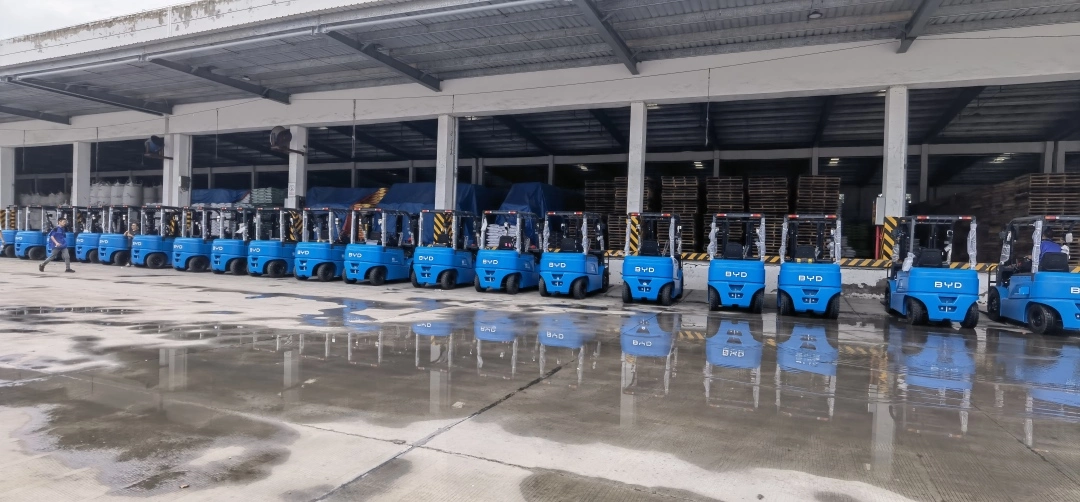
For warehouse and logistics operations, an electric forklift that loses charge mid-shift can disrupt productivity and create unnecessary delays. If you’re facing issues with your electric forklift battery not holding charge during daily use, there are simple, systematic ways to diagnose the problem before it leads to downtime.
Start with a Visual Inspection
Begin your diagnostic process with a thorough visual check of the battery and its components. Look for visible signs of damage, such as cracked battery cases, swollen cells, or leaking electrolyte. Corroded or loose battery terminals are another common culprit—corrosion can block the flow of electricity, while loose terminals may prevent proper charging or discharge. If you notice any of these issues, clean the terminals with a wire brush and a baking soda solution, or address minor damage promptly to prevent further deterioration.
Test Battery Voltage
Next, use a multimeter to measure the battery’s voltage under two conditions: when it’s fully charged and at rest, and during operation. A fully charged lead-acid electric forklift battery typically reads around 2.1 volts per cell. If the voltage is significantly lower, it may indicate a weak cell or insufficient charging. You should also test the voltage while the forklift is in use—if the voltage drops rapidly under load, this could signal that the battery can no longer hold a charge effectively and may need replacement.
Evaluate the Charging System
Sometimes the problem isn’t the battery itself but the charging system. Check if the charger is functioning correctly by ensuring it’s connected properly and delivering the correct voltage and current. A faulty charger may not fully charge the battery, leading to rapid discharge during shifts. You can verify the charger’s output using a multimeter, or consult operational guidelines to confirm it’s compatible with your forklift battery type. Additionally, ensure the charging area is well-ventilated, as poor ventilation can affect charging efficiency and battery lifespan.
Assess Usage and Maintenance Habits
Daily usage patterns and maintenance routines can also impact battery performance. Frequent deep discharges, where the battery is drained to very low levels before recharging, can shorten its lifespan and reduce its ability to hold a charge. Similarly, leaving the battery partially charged for extended periods can lead to sulfation, a condition where sulfate crystals build up on the battery plates and reduce capacity. Review your team’s charging habits—encourage them to recharge the battery as soon as it reaches the recommended discharge level, and avoid overcharging, which can also damage the battery.
Consider Battery Age and Wear
Over time, even well-maintained batteries will lose their ability to hold a charge. Most electric forklift batteries have a lifespan of around 3 to 5 years, depending on usage and maintenance. If your battery is approaching or exceeding this timeframe, it may be nearing the end of its useful life. Keep track of the battery’s installation date and maintenance records to determine if replacement is necessary.
If you’re still unsure about the root cause of your battery issue, or if you need assistance with battery replacement or maintenance, reach out to Jianshu New Energy. As a specialist in BYD electric forklifts, we have the expertise to help you diagnose battery problems and find effective solutions. You can contact us at 17399989919@163.com for professional support tailored to your electric forklift needs.