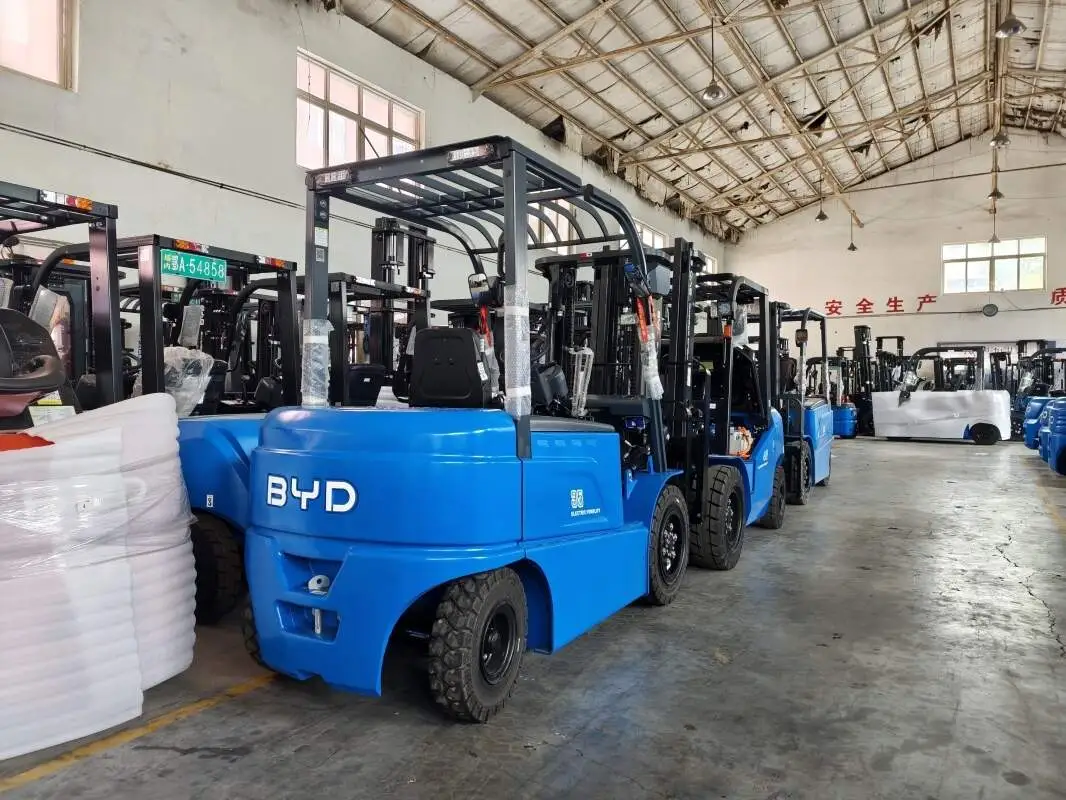
As electric forklifts become increasingly prevalent in EU warehouses, driven by their energy efficiency and low operational noise, understanding and adhering to regional compliance requirements is critical for warehouse operators. Non-compliance can lead to regulatory fines, operational disruptions, and increased safety risks for personnel and assets. This article outlines the core compliance mandates that apply to electric forklifts operating within EU warehouse environments.
Safety Standards and CE Certification
At the foundation of EU electric forklift compliance is the Machinery Directive (2006/42/EC), which mandates that all industrial machinery, including electric forklifts, meet essential health and safety requirements before being placed on the market. The CE marking is a visible indicator that a forklift complies with this directive, and it is a legal requirement for any electric forklift used in the EU.
Under this directive, electric forklifts must be designed with built-in safety features to mitigate operational risks. These include reliable braking systems that function effectively even under full load, stability mechanisms to prevent tipping during turns or when lifting heavy loads, and protective guards for operators to shield against falling objects or collision impacts. Emergency stop buttons must be easily accessible and capable of halting all forklift functions immediately. Additionally, manufacturers and operators are required to conduct a comprehensive risk assessment for each forklift model, identifying potential hazards such as electrical faults or load instability, and implementing controls to address these risks. Detailed technical documentation, including design specifications, test reports, and risk assessments, must be maintained for every electric forklift in operation.
Electromagnetic Compatibility (EMC) Regulations
Electric forklifts rely on electrical systems and batteries, which can generate electromagnetic interference (EMI) that may disrupt other warehouse equipment, such as automated storage and retrieval systems (AS/RS), barcode scanners, or safety sensors. To address this, the EU’s EMC Directive (2014/30/EU) applies to all electric forklifts, requiring them to meet specific emission and immunity standards.
Compliance with EMC regulations involves testing forklifts to ensure that any EMI they produce does not exceed acceptable limits for other electronic devices in the warehouse. Additionally, forklifts must be designed to withstand external electromagnetic signals without experiencing operational failures. Warehouse operators should also consider the placement of electric forklifts and charging stations, ensuring they are not positioned near highly sensitive equipment that could be affected by EMI. Regular testing and inspections may be necessary to maintain EMC compliance, particularly after modifying or repairing a forklift’s electrical components.
Environmental Compliance and REACH/WEEE
EU environmental regulations impose strict requirements on electric forklifts, particularly regarding the materials used in their construction and the disposal of components at the end of their lifecycle. The Registration, Evaluation, Authorization and Restriction of Chemicals (REACH) regulation restricts the use of certain hazardous substances in forklift components, such as lead in batteries or cadmium in electrical wiring. Operators must ensure that their electric forklifts do not contain substances listed in REACH’s Candidate List of Substances of Very High Concern (SVHC) above specified concentration limits.
The Waste Electrical and Electronic Equipment (WEEE) Directive (2012/19/EU) governs the disposal and recycling of electric forklifts and their components, including batteries. When a forklift reaches the end of its operational life, operators must arrange for its collection by an authorized WEEE treatment facility to ensure proper recycling of materials and safe disposal of hazardous components. For batteries specifically, the EU’s Battery Regulation (2023/1542) mandates that electric forklift batteries be designed for easy replacement and recycling, with operators required to maintain records of battery sourcing, usage, and disposal.
Operator Qualification and Training
The EU’s Framework Directive on Health and Safety (89/391/EEC) sets out requirements for ensuring that personnel operating electric forklifts are properly trained and qualified. Forklift operators must complete a formal training program that covers both theoretical and practical components. Theoretical training includes instruction on EU safety regulations, forklift operation principles, load handling best practices, and emergency response procedures. Practical training involves hands-on experience operating the specific type of electric forklift used in the warehouse, including maneuvers such as lifting, turning, and navigating narrow aisles.
Upon completing training, operators must receive a certification that is valid across the EU. This certification must be renewed periodically, as regulatory requirements and forklift technology evolve. Warehouse operators are responsible for maintaining records of operator training and certification, and ensuring that only certified personnel are allowed to operate electric forklifts. Additionally, operators should receive refresher training following any workplace accidents or changes to warehouse layout or forklift models.
Maintenance and Documentation Requirements
Regular maintenance is essential to keep electric forklifts in compliance with EU regulations and ensure safe operation. The Machinery Directive mandates that operators establish a scheduled maintenance program tailored to each forklift’s usage and manufacturer recommendations. This includes daily pre-operation checks of critical components such as brakes, tires, battery levels, and safety guards, as well as more comprehensive monthly or annual inspections by qualified technicians.
All maintenance activities, including inspections, repairs, and component replacements, must be documented in detail. Records should include the date of the maintenance activity, the name of the technician performing the work, a description of the tasks completed, and any parts that were replaced. These records must be kept for a minimum period of five years, as required by EU regulatory authorities, and must be readily available for inspection during audits.
Site-Specific Compliance Considerations
In addition to general EU regulations, warehouse operators must also adhere to site-specific compliance requirements that vary based on the size, layout, and type of warehouse. For example, warehouses with narrow aisles may have specific speed limits for electric forklifts, while facilities storing hazardous materials may require additional safety features such as explosion-proof forklift components.
The EU’s Noise Directive (2000/14/EC) also applies to electric forklifts, limiting the noise emissions produced during operation to protect warehouse personnel from hearing damage. Operators must ensure that their forklifts meet the specified noise limits, which may involve using noise-dampening components or modifying operational procedures to reduce noise levels in sensitive areas.
In conclusion, compliance with EU regulations for electric forklifts in warehouses is a multifaceted responsibility that encompasses safety, environmental protection, operator training, and maintenance. By understanding and implementing these requirements, warehouse operators can reduce regulatory risks, enhance workplace safety, and ensure the efficient and legal operation of their electric forklift fleets. Regular reviews of compliance practices and updates to training programs and maintenance schedules are essential to keep pace with evolving EU regulations and technological advancements in electric forklift design.