Acquiring a forklift business represents a significant investment that requires careful, data-driven evaluation to ensure long-term viability and return on investment. Before finalizing any deal, prospective buyers must conduct a comprehensive review of multiple critical areas to mitigate risks and capitalize on growth opportunities.
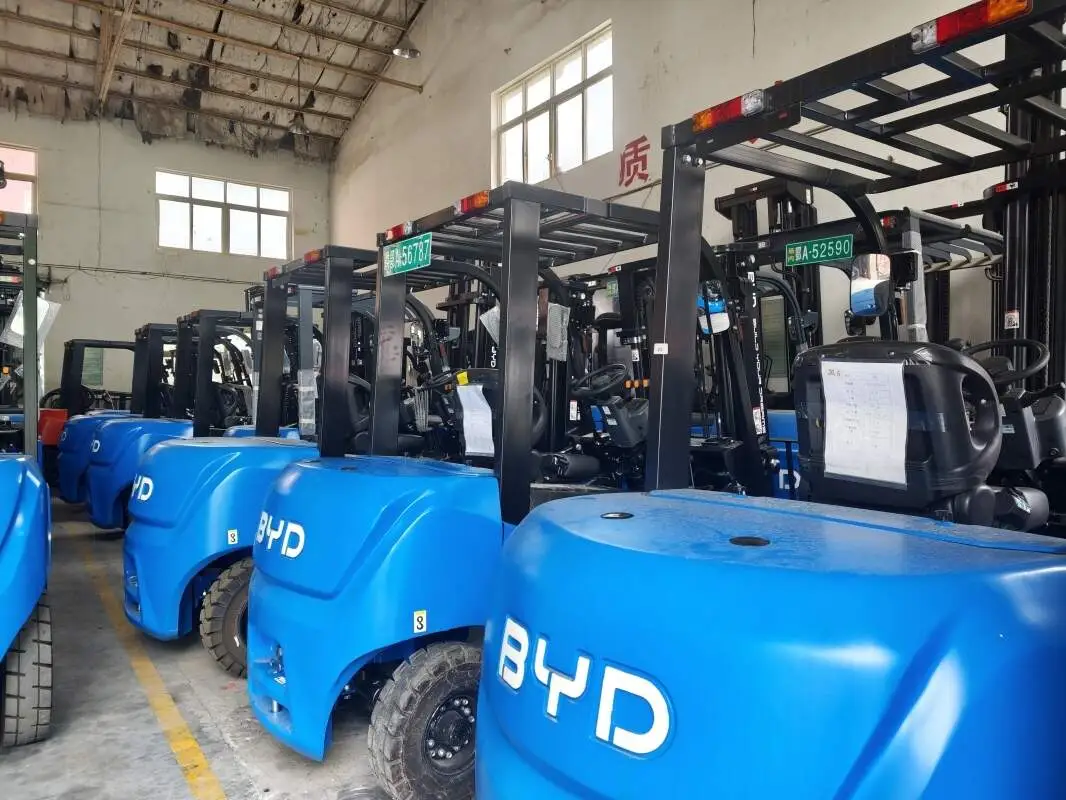
The first and most fundamental consideration is the condition and maintenance history of the forklift fleet, which forms the core asset of the business. Buyers should assess the age, usage hours, and overall mechanical health of each unit. A well-documented maintenance record indicates proactive care, reducing the likelihood of unexpected breakdowns and costly repairs post-acquisition. Additionally, evaluating the mix of electric, gas, and diesel forklifts can provide insights into operational efficiency and alignment with evolving environmental regulations.
Next, analyzing operational costs and profitability metrics is essential to understand the business’s financial health. This includes reviewing recurring expenses such as fuel or electricity, routine maintenance, insurance premiums, and labor costs for technicians and operators. Prospective buyers should also examine revenue streams, whether from equipment sales, short-term rentals, long-term leasing, or maintenance services. Comparing profit margins against industry benchmarks can help identify areas for improvement and validate the business’s financial sustainability.
Regulatory compliance is another non-negotiable factor. Forklift operations are subject to strict safety and environmental regulations that vary by region. Buyers must verify that the business adheres to all applicable standards, including operator training requirements, equipment inspection protocols, and emissions controls. Any past violations or pending fines can pose significant financial and reputational risks, so a thorough review of compliance records is critical.
Finally, assessing market demand and the competitive landscape helps determine the business’s growth potential. Researching local and regional trends in industries like warehousing, logistics, and manufacturing can reveal whether demand for forklift services is rising or declining. Understanding the position of the target business relative to competitors—including their service offerings, pricing strategies, and customer loyalty—can highlight opportunities to differentiate and expand market share.
By prioritizing these key considerations, prospective buyers can make informed decisions that position them for success in the forklift industry, ensuring the acquired business delivers sustainable value and aligns with their long-term investment goals.