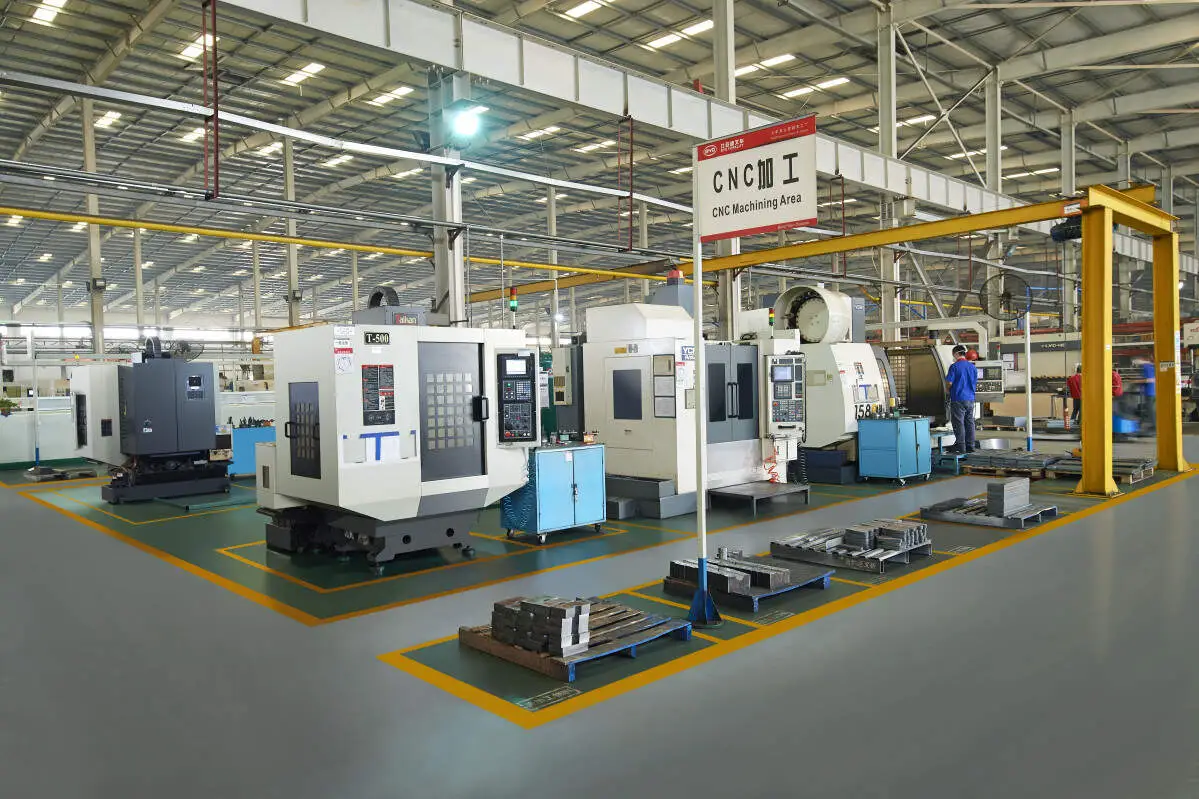
When sourcing an electric forklift for industrial or warehouse operations, reviewing a list of potential manufacturers requires a systematic approach to ensure you select a partner that aligns with your operational needs and long-term goals.
First, prioritize evaluating a manufacturer’s credentials and industry experience. Look for manufacturers with a proven track record in producing electric forklifts, as years of operation often indicate a deeper understanding of safety standards and operational efficiency. Verify compliance with regional and international safety regulations, as these certifications ensure the forklifts meet minimum safety thresholds for both operators and workplace environments. Manufacturers with robust quality control processes are more likely to deliver reliable equipment that minimizes unexpected downtime.
Second, assess product suitability for your specific operational requirements. Electric forklifts vary widely in terms of load capacity, battery life, maneuverability, and charging infrastructure. Consider your daily operational demands: if you operate in narrow warehouse aisles, prioritize manufacturers that offer compact, agile models. For heavy-duty outdoor tasks, look for forklifts with higher load capacities and durable build quality. Additionally, evaluate whether the manufacturer can provide customizable options, such as specialized attachments or extended battery ranges, to adapt to unique workflow needs.
Third, examine the manufacturer’s after-sales support system. A reliable support network is critical for maintaining forklift performance over time. Inquire about the availability of on-site maintenance services, response times for emergency repairs, and the accessibility of replacement parts. Manufacturers that offer operator training programs can also help reduce the risk of accidents and ensure your team uses the equipment efficiently. A strong after-sales framework minimizes operational disruptions and extends the lifespan of your forklift.
Finally, consider the total cost of ownership beyond the initial purchase price. Electric forklifts have ongoing costs including battery replacement, charging infrastructure, and routine maintenance. Compare the energy efficiency of different models, as more efficient forklifts can lower long-term utility expenses. Also, evaluate the manufacturer’s warranty terms, as comprehensive coverage can reduce unexpected repair costs. Balancing upfront costs with long-term operational expenses helps you make a financially sound decision.
By taking these key factors into account when reviewing a forklift manufacturers list, you can narrow down your options to a partner that delivers safe, reliable, and cost-effective electric forklifts tailored to your business needs.