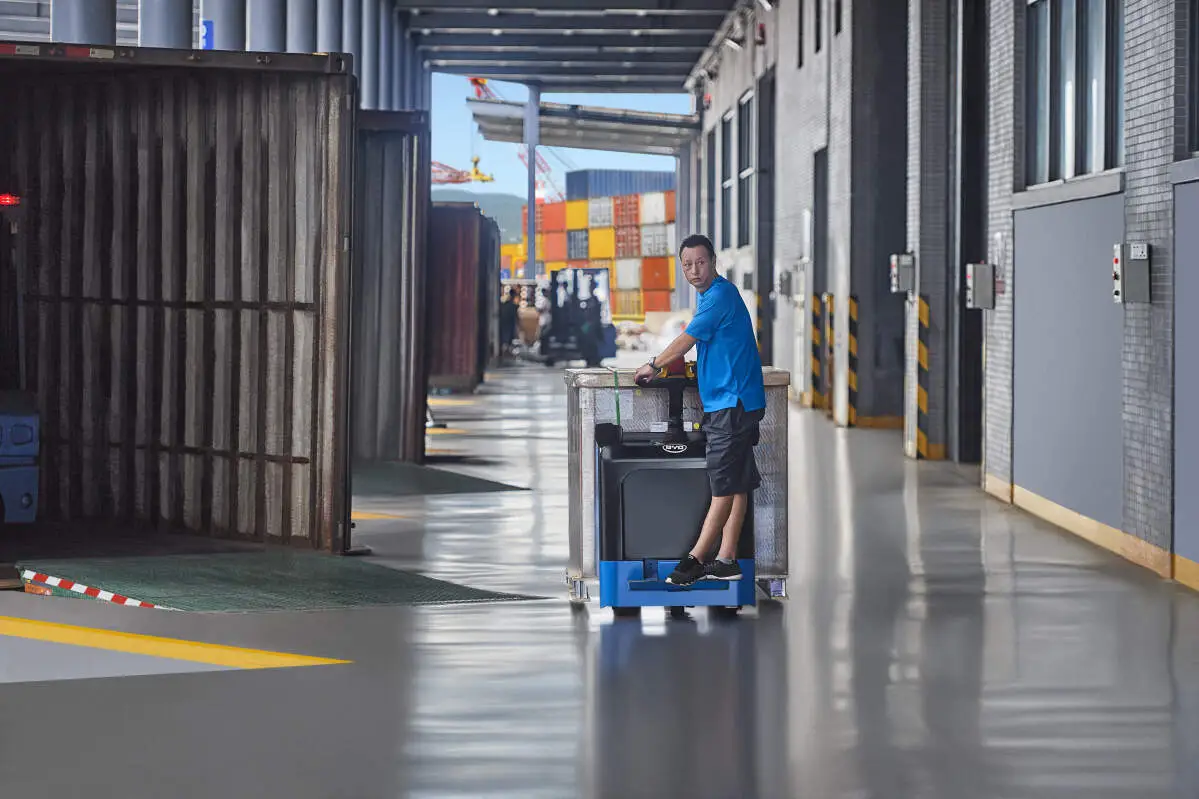
In the fast-paced landscape of material handling, the smoothness and efficiency of site operations hinge on the reliable performance of forklift components. Among these, omni-directional wheels emerge as a pivotal part engineered to tackle common challenges in cramped or complex work settings. Unlike conventional forklift wheels, omni-directional wheels deliver unmatched maneuverability, allowing operators to transport cargo in any direction—forward, backward, sideways, or even rotate on the spot—without requiring wide turning radii.
A core advantage of integrating omni-directional wheels into forklifts is their ability to navigate confined spaces effortlessly. Warehouses, distribution centers, and manufacturing facilities often feature narrow aisles, crowded storage zones, and limited turning room. Traditional forklifts struggle in these environments, needing multiple adjustments and reversals to position cargo accurately, which not only wastes time but also raises the risk of collisions with racks or other equipment. Omni-directional wheels eliminate this hurdle by enabling smooth, precise movements, cutting down the time spent on each task and minimizing workplace accident potential.
Beyond maneuverability, omni-directional wheels contribute to overall smooth site operations by reducing vibration and enhancing stability during cargo transport. The wheel’s design distributes weight evenly across its surface, maintaining consistent contact with the floor even when carrying heavy loads. This stability translates to smoother rides, less strain on the forklift’s frame and other components, and a lower risk of cargo damage. Over time, this can lead to reduced maintenance costs and extended equipment lifespan, further supporting efficient site operations.
To ensure omni-directional wheels sustain optimal performance, regular maintenance is crucial. Operators should conduct routine inspections for wear signs, such as cracked treads or damaged rollers. Keeping the wheels free of debris is also essential, as accumulated dirt can hinder roller rotation and reduce maneuverability. Lubricating the wheel’s moving parts at recommended intervals prevents friction and ensures seamless operation. By adhering to these simple maintenance steps, businesses can maximize the lifespan of their omni-directional wheels and maintain consistent performance in daily operations.
In conclusion, omni-directional wheels forklift parts represent a valuable investment for businesses aiming to elevate the smoothness and efficiency of their material handling operations. Their unique design offers superior maneuverability, stability, and adaptability to challenging work environments, helping to reduce operational delays, minimize accident risks, and lower long-term maintenance costs. By prioritizing the use and care of these components, businesses can foster a safer, more productive workplace that supports seamless daily operations.