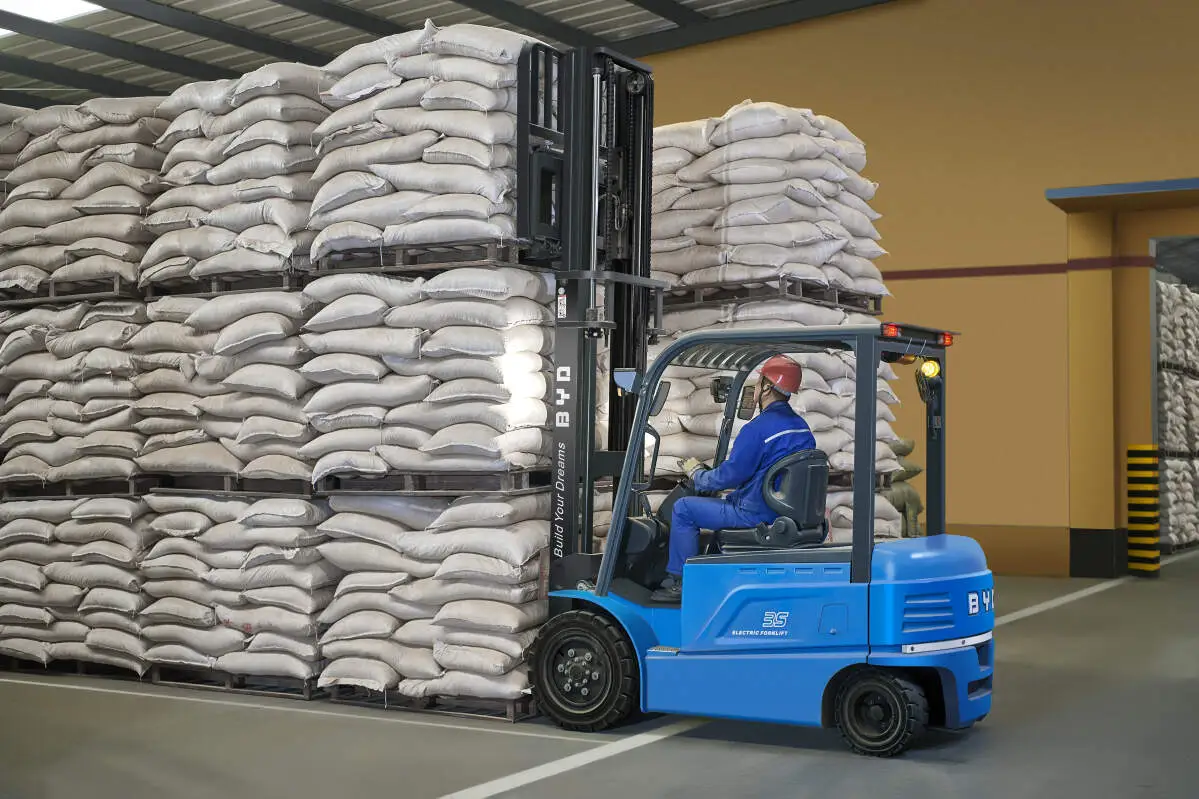
Proper forklift fork spread adjustment is a foundational practice for safe, efficient material handling, especially when working with varied pallet sizes in warehouse and industrial settings. electric forklifts, with their precise control and maneuverability, rely on correctly aligned forks to distribute load weight evenly, prevent pallet damage, and reduce the risk of load tipping.
Before starting any adjustment, prioritize safety. Ensure the forklift is turned off, the parking brake is engaged, and forks are lowered to a stable position on the ground. Never attempt to adjust forks while carrying a load, as this can lead to unexpected movement or instability. Wear appropriate personal protective equipment, including safety gloves and steel-toe boots, to protect against potential pinch points or falling debris.
The adjustment process varies slightly depending on the forklift’s mechanism. For models with manual pin adjustment: Locate the locking pins on the carriage that secure the forks in place. Carefully remove these pins, taking note of their position for reinstallation. Gently slide each fork along the carriage to match the width of the target pallet, ensuring both forks remain parallel and centered. Once aligned, reinsert the locking pins and verify they are securely fastened to prevent accidental movement during operation.
For electric forklifts with hydraulic fork adjustment, the process is more streamlined. Use the dedicated control levers to adjust each fork outward or inward. Monitor the alignment closely to ensure equal movement on both sides, as uneven spread can cause load imbalance. Stop adjustments when the forks align perfectly with the pallet’s stringers—the structural supports that bear the load weight.
When adapting to varied pallet sizes, keep key considerations in mind. Standard pallets typically require a fork spread that positions forks directly under each stringer, usually around 24 inches apart for common 48-inch wide pallets. For smaller pallets, narrow the fork spread to avoid overhang, which can cause the pallet to shift or collapse under load. Wider pallets may require expanding the fork spread, but never exceed the forklift’s specified maximum spread capacity, as this can strain the carriage and compromise stability.
After completing adjustments, always perform a quick verification test. Position the forks under an empty pallet, lift it slightly, and check for secure alignment and stability. If the pallet shifts or the forks sit unevenly, readjust the spread until proper alignment is achieved.
Regular maintenance of the fork adjustment mechanism is also essential. Inspect locking pins, hydraulic lines, and carriage tracks for signs of wear, rust, or damage. Lubricate moving parts as recommended to ensure smooth operation and extend the lifespan of the components.
By following these guidelines, operators can ensure their electric forklifts are equipped to handle a wide range of pallet sizes safely and efficiently, minimizing downtime and reducing the risk of workplace incidents. Proper fork spread adjustment is not just a procedural step—it’s a critical component of responsible material handling practice.