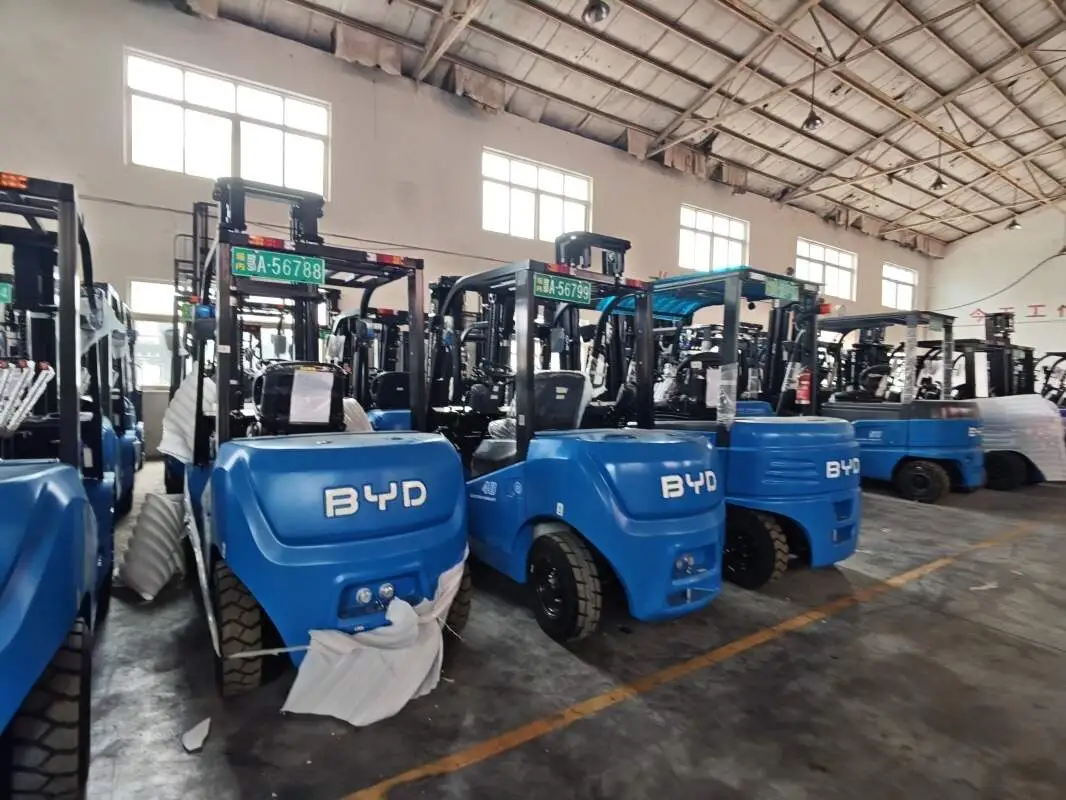
electric forklifts are indispensable workhorses in warehouses, distribution centers, and manufacturing facilities, streamlining material handling operations with efficiency and precision. Regular servicing is critical to keeping these machines running reliably, minimizing downtime, and extending their lifespan. However, service costs can vary significantly based on several key factors that fleet managers and business owners need to understand to plan budgets effectively.
One of the most impactful factors is usage intensity. Forklifts that operate long hours daily, carry heavy loads consistently, or are used in high-cycle applications experience faster wear and tear on critical components like tires, brakes, and hydraulic systems. For example, a forklift running 10 hours a day in a busy distribution center will require more frequent brake pad replacements, tire rotations, and hydraulic fluid checks compared to one used only a few hours weekly for light-duty tasks. Higher usage directly translates to more frequent service visits and component replacements, driving up overall service costs over time.
Maintenance practices also play a pivotal role in determining service expenses. Proactive, preventive maintenance—such as scheduled oil changes, filter replacements, and system inspections—helps catch minor issues before they escalate into major, costly repairs. Neglecting routine maintenance can lead to sudden breakdowns that require emergency service and expensive part replacements. For instance, failing to clean and inspect the battery cooling system of an electric forklift can result in overheating, reducing battery life and necessitating a premature battery replacement that costs far more than regular system cleanings.
The quality of components used during servicing is another key cost driver. Opting for high-quality, manufacturer-recommended parts may have a higher upfront cost, but these components typically last longer and perform better than cheaper, generic alternatives. Using substandard parts can lead to frequent failures, requiring more frequent service visits and replacements, which adds up to higher long-term costs. For example, low-quality hydraulic seals may leak sooner, leading to fluid loss and potential damage to the hydraulic system, whereas premium seals can withstand more pressure and wear, reducing the need for repeated repairs.
Operational environment also influences service costs. Forklifts used in harsh conditions—such as dusty outdoor yards, cold storage facilities, or areas with high humidity—face accelerated corrosion and component degradation. Dust can clog air filters and engine components, while cold temperatures can strain battery performance and hydraulic fluids. Forklifts in these environments require more frequent cleaning, filter changes, and corrosion checks to maintain functionality, increasing the frequency and complexity of service tasks, and thus the associated costs.
By understanding these key factors, businesses can take proactive steps to manage electric forklift service costs. Adjusting maintenance schedules based on usage intensity, investing in preventive care, choosing quality components, and adapting service routines to operational environments can help optimize maintenance budgets while ensuring forklifts remain reliable and efficient assets for years to come.