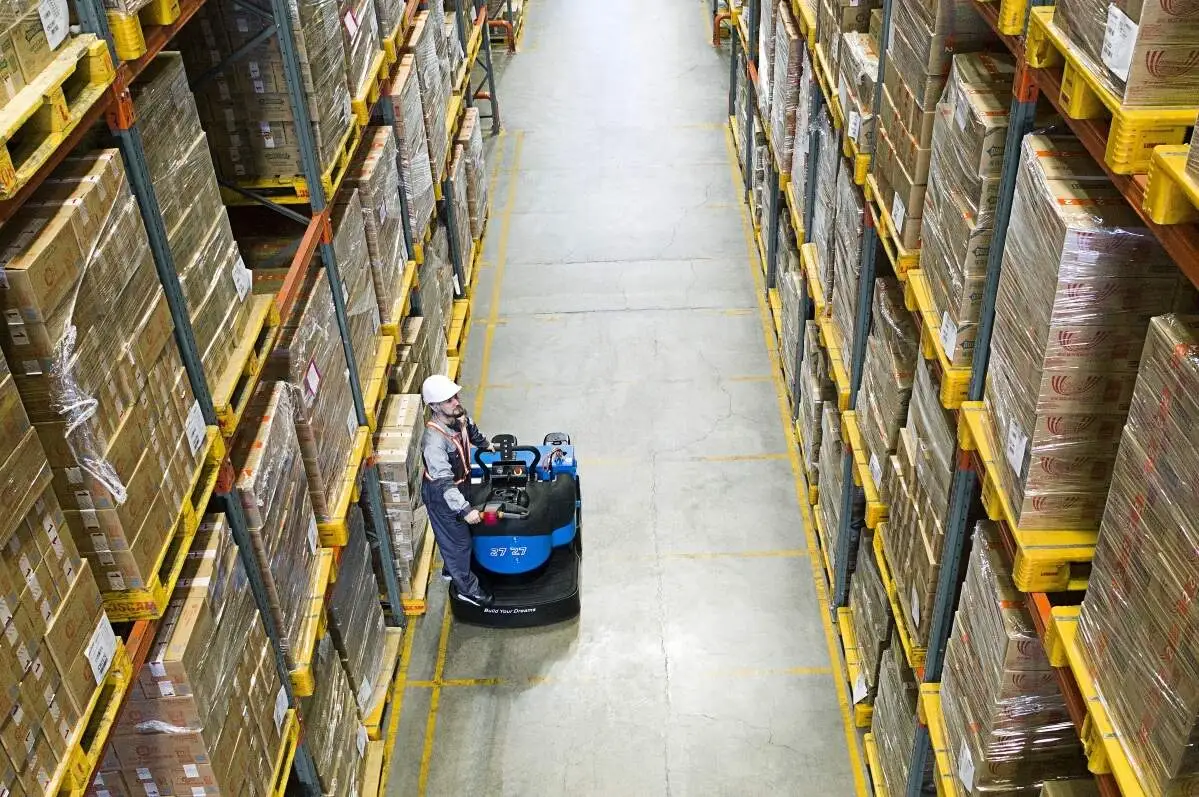
In modern material handling operations, electric forklifts have become indispensable tools, offering eco-friendly and efficient solutions for moving heavy loads. Understanding the key factors that determine an electric forklift’s weight capacity is crucial for ensuring safe operations, optimizing productivity, and selecting the right equipment for specific tasks.
Structural design and build quality form the foundation of an electric forklift’s weight-bearing capability. Components like the chassis, fork carriage, and mast are constructed with high-strength materials such as reinforced steel to withstand heavy loads without deformation. Thicker frames and strategically placed reinforced joints distribute stress evenly across the vehicle, preventing structural failure under load. A well-engineered structure not only supports higher weight capacities but also ensures long-term durability.
Battery weight and placement play a unique role in electric forklift weight capacity, as the battery acts as both a power source and a counterweight. Heavier batteries can enhance the forklift’s balance, allowing it to support heavier loads, while low, centered placement lowers the vehicle’s center of gravity for improved stability. This balance is critical—too light a battery may reduce the maximum load the forklift can safely carry, while an overly heavy battery could compromise maneuverability.
The load center is another vital factor, referring to the distance from the front face of the forks to the center of gravity of the load. As the load shifts further away from the forklift’s body, the effective weight it exerts increases, reducing the maximum safe load capacity. Manufacturers provide clear load center guidelines, and operators must adhere to these to avoid tipping risks and ensure safe handling.
Mast height and operating angle also influence weight capacity. When lifting loads to greater heights, the center of gravity shifts upward, increasing the risk of tipping and reducing the safe load limit. Tilting the mast backward or forward alters the load’s position relative to the chassis, further affecting how much weight can be safely handled. Operators must adjust load limits based on the mast’s current height and angle during operations.
Environmental and operational conditions can impact weight capacity too. Uneven or slippery surfaces reduce traction and stability, requiring lower load limits to prevent accidents. Extreme temperatures can affect battery performance and material strength, indirectly influencing the forklift’s load-bearing ability. Regular maintenance, including inspections of tires, brakes, and structural components, ensures the forklift maintains its rated weight capacity over time.
By considering these key factors, material handling professionals can make informed decisions when selecting and operating electric forklifts, ensuring safety and efficiency. For reliable electric forklift solutions, we are Sharp Tree New Energy, specializing in BYD electric forklifts. Contact us at 17399989919@163.com for more information.