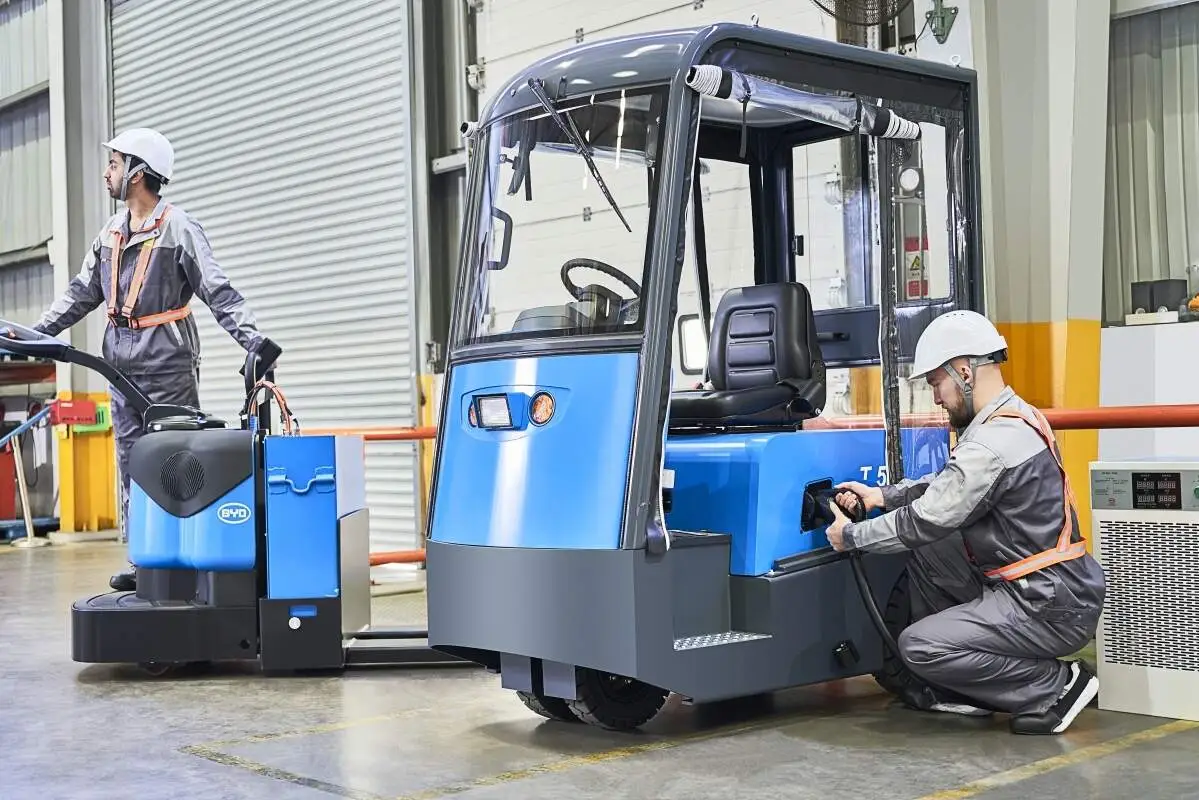
In today’s fast-paced logistics and warehousing operations, electric forklifts serve as indispensable workhorses that keep material handling processes running smoothly. To ensure these machines deliver consistent, safe performance over their entire lifespan, adhering to structured service requirements is non-negotiable. Neglecting routine maintenance can lead to unexpected downtime, elevated repair costs, and compromised workplace safety.
The first foundational requirement is scheduled preventive inspections, conducted at predefined weekly, monthly, and annual intervals to catch minor issues before they escalate into major failures. Weekly checks focus on visible, high-impact components: verifying tire pressure and tread wear for stable operation, testing brake responsiveness to ensure reliable stopping power, and inspecting battery terminals for corrosion or loose connections that hinder power transfer. Monthly inspections delve deeper, including checking hydraulic fluid levels and condition, examining wiring harnesses for fraying or damage, and confirming the functionality of safety features like horns, lights, and backup alarms. Annual comprehensive evaluations, typically performed by qualified technicians, involve a full assessment of the forklift’s electrical system, motor performance, and structural integrity.
For electric forklifts, battery maintenance stands as a cornerstone of long-term reliability. Proper care starts with regular cleaning—wiping down battery terminals to prevent corrosion that can reduce charging efficiency. For lead-acid batteries, monitoring electrolyte levels and topping up with distilled water as needed ensures optimal cell performance. It’s also critical to follow recommended charging cycles: avoiding overcharging or undercharging, both of which can shorten battery lifespan significantly. Storing batteries in cool, dry areas when not in use further preserves their capacity and longevity.
Component calibration and timely replacement are equally vital. Over time, parts like brake pads, hydraulic seals, and weight sensors experience natural wear and tear. Calibrating sensors regularly ensures accurate load readings, preventing overloading that strains the forklift’s structure and motor. Replacing worn components promptly avoids cascading damage: a worn brake pad, for example, can damage the brake rotor if left unaddressed, leading to far costlier repairs. Technicians should assess component wear during inspections and recommend replacements based on usage patterns and industry guidelines.
Operator training is often overlooked but plays a significant role in equipment longevity. Well-trained operators understand how to handle the forklift correctly—avoiding sudden starts or stops, adhering strictly to load limits, and using smooth turning techniques to reduce stress on the steering and suspension systems. They should also be trained to perform pre-shift checks, such as inspecting tires and battery connections, allowing them to report small issues before they become severe. Regular refresher courses on safe operating practices reinforce good habits and minimize the risk of operator-induced damage.
Finally, maintaining comprehensive service records is key to tracking the forklift’s health over time. These records should document every inspection, repair, and replacement, along with dates and technician notes. By analyzing these logs, managers can identify patterns—such as frequent battery issues or excessive tire wear—and adjust maintenance schedules or operational practices accordingly. This proactive approach helps predict potential failures and plan maintenance during off-peak hours, reducing disruption to daily operations.
By prioritizing these service requirements, businesses can extend the lifespan of their electric forklifts, lower long-term operational costs, and ensure a safe, efficient workplace. Consistent maintenance not only enhances equipment reliability but also contributes to overall operational productivity, making it a worthwhile investment for any organization relying on forklift operations.