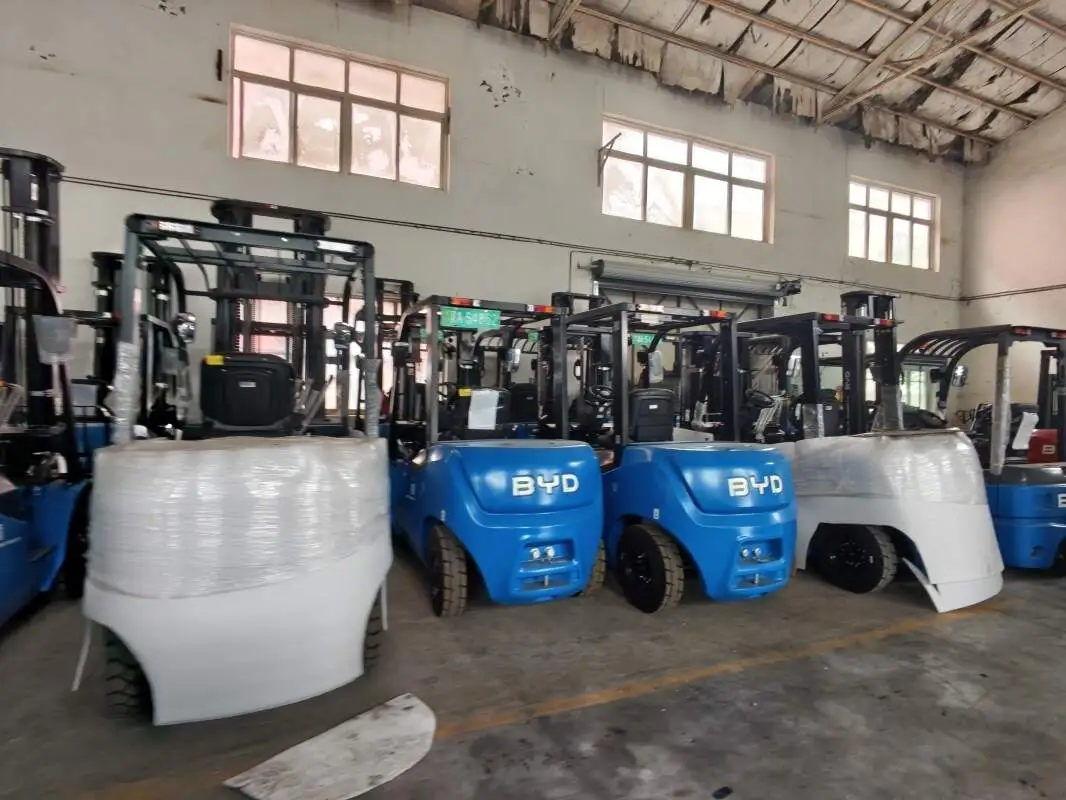
Purchasing an existing forklift business can be a strategic shortcut to entering the material handling industry, as it comes with an established customer base, operational infrastructure, and revenue stream. However, this investment carries inherent risks if not thoroughly evaluated. Below are key points to check to ensure you make an informed and profitable decision.
Fleet Condition Assessment
The forklift fleet is the core asset of the business. Start by conducting a comprehensive inspection of each unit. Verify the age of each forklift, its total operating hours, and maintenance history. Look for signs of excessive wear and tear, such as corrosion, faulty brakes, or engine issues. Ensure all units have up-to-date safety certifications and have undergone regular servicing as per industry standards. A poorly maintained fleet may require costly repairs or replacements soon after purchase, impacting your bottom line.
Financial Health Verification
Review the business’s financial records for the past three to five years to gain insight into its profitability and stability. Analyze revenue trends, operating costs (including maintenance, fuel, and labor), and cash flow statements. Check for any outstanding debts, loans, or unpaid invoices that could affect your financial obligations post-acquisition. Additionally, evaluate profit margins to ensure the business generates sufficient income to cover expenses and provide a reasonable return on investment.
Customer Base Analysis
An established customer base is a major advantage of buying an existing business, but it’s crucial to assess its sustainability. Identify the types of clients (e.g., warehouses, manufacturing facilities) and the duration of their contracts. Determine if the business relies heavily on a small number of key customers, as losing one could significantly impact revenue. Review customer feedback and retention rates to gauge satisfaction and loyalty. Understanding the customer acquisition process will also help you plan for future growth.
Regulatory Compliance Check
Non-compliance with industry regulations can lead to fines, legal issues, and operational disruptions. Verify that the business holds all necessary licenses and permits to operate legally. Check if forklift operators have completed required safety training and certification programs. Review past inspection reports and ensure the business adheres to local and national safety standards for material handling equipment. Any unresolved regulatory violations should be addressed before finalizing the purchase.
Operational Process Evaluation
Assess the business’s daily operations to identify inefficiencies or areas for improvement. Evaluate the maintenance and repair workflow to ensure it’s structured to minimize downtime. Check inventory management practices for spare parts and supplies to avoid shortages that could delay service. Talk to existing employees to understand their roles, skills, and morale, as a skilled and motivated team is critical for smooth operations. Understanding the existing operational processes will help you transition seamlessly and implement changes where needed.
By thoroughly evaluating these key areas, you can mitigate risks and ensure that the existing forklift business you purchase aligns with your investment goals. Taking the time to conduct due diligence will not only protect your investment but also set the stage for long-term success in the competitive material handling industry.